Subscribe
Studio

Aston Rudi on producing Ella Eyre’s 'everything, in time' and not playing it safe

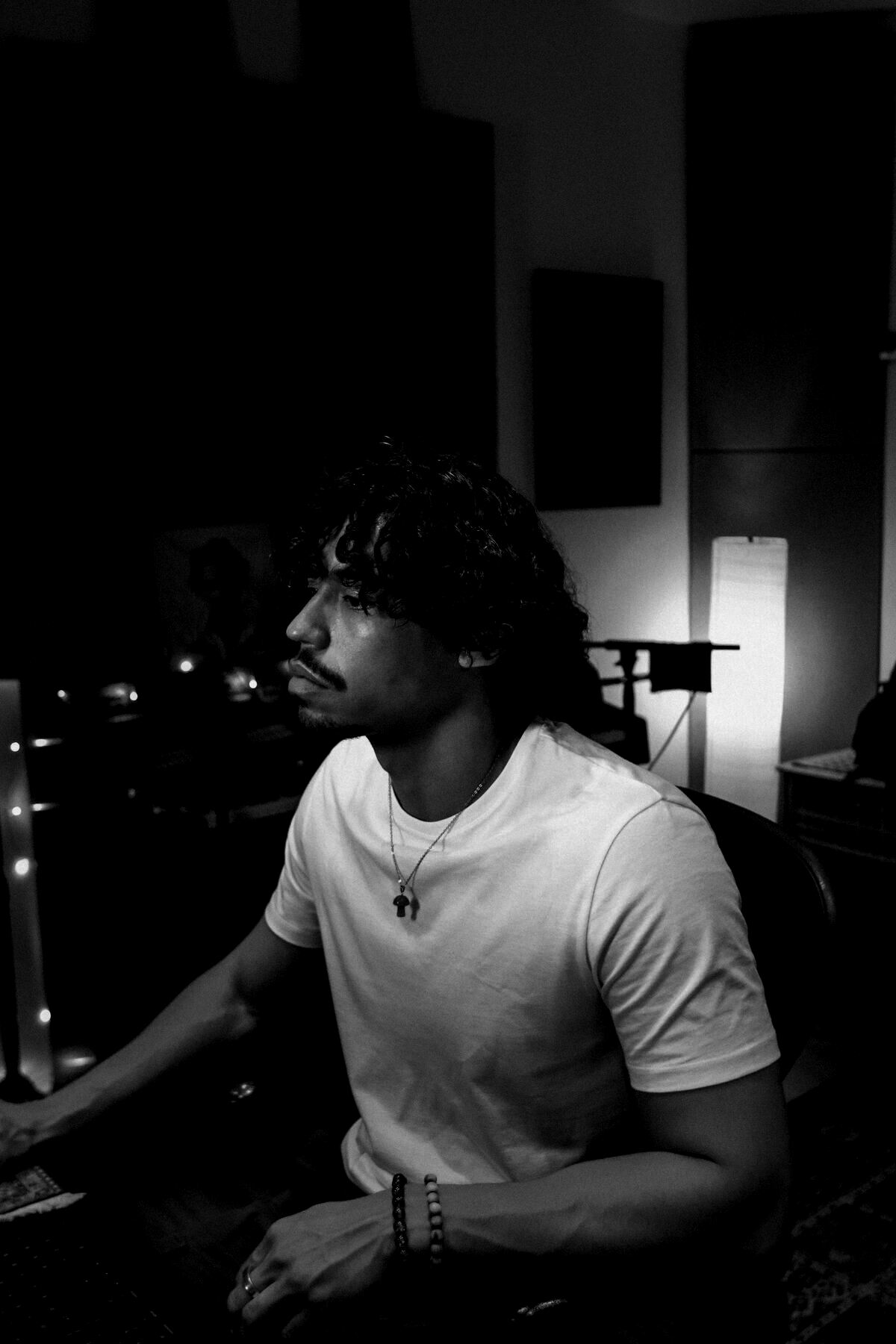
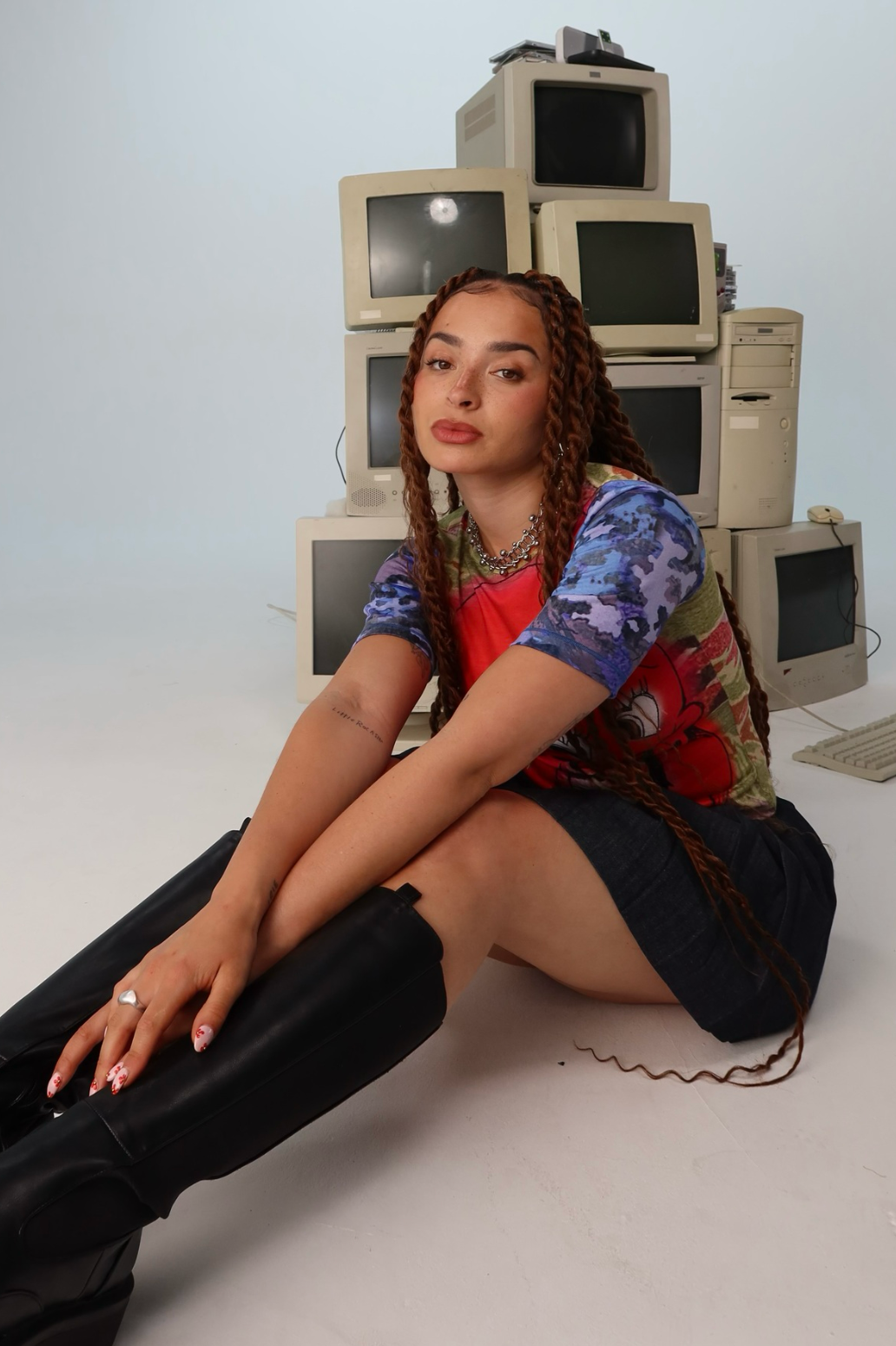
A producer, composer, and songwriter with a sharp ear for soul and storytelling, Aston Rudi is one of the songwriters and producers behind Ella Eyre’s new record, everything, in time – co-writing and producing key tracks including head in the ground, what about me, red flags and love hearts, and title track, everything, in time. His touch runs deep through the record – grounding its raw honesty in rich, expressive production.

Beyond his work with Eyre, Rudi has become one of the most in-demand names behind some of the UK’s most loved contemporary R&B and soul records. From WEARESOUL favourites like Mahalia’s Do Not Disturb to FLO’s The Lead, his catalogue is stacked with songs that balance polish with feeling. Recent collaborations with FLO, Cat Burns, Olivia Dean, and Lola Moxom only underline his range and relevance.

But Rudi’s influence goes further than the studio. A multifaceted creative, he is also deeply committed to mentoring young talent, dedicating time to supporting and guiding the next generation of artists and producers. 

It’s this combination of craft, care, and cultural impact that makes him not just a producer to watch, but a producer who genuinely shapes the scene. Here, he provides a deep dive into the studio production kit behind everything, in time, and reveals why Eyre was done playing it safe.

The process

Headliner spoke in depth to Eyre about the making of the album. She provides an insight into the collaboration with Rudi:

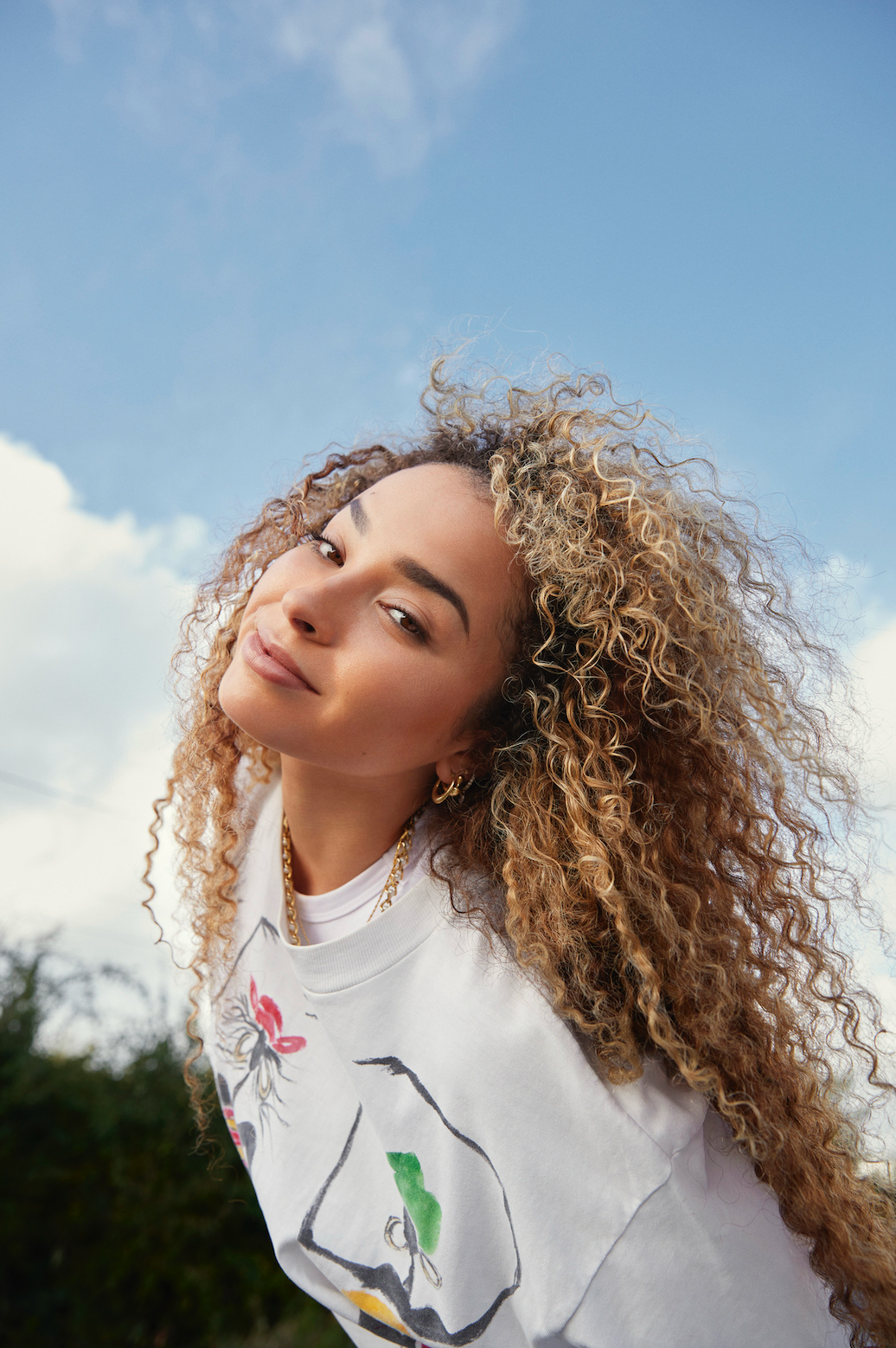
Ella Eyre: Aston is one of those people I’d heard about for ages and had actually seen a few times on the circuit through mutual friends. That day we had our first session, I wrote head in the ground, and it just flowed out of me. 

When you go into a new studio with someone new, it’s not always easy to find the right creative environment. But Aston has this way of creating a space that feels completely safe for artists. He’s also become a really good friend of mine – he lives just down the road, so I see him all the time. Making music with him has been a completely new experience for me.
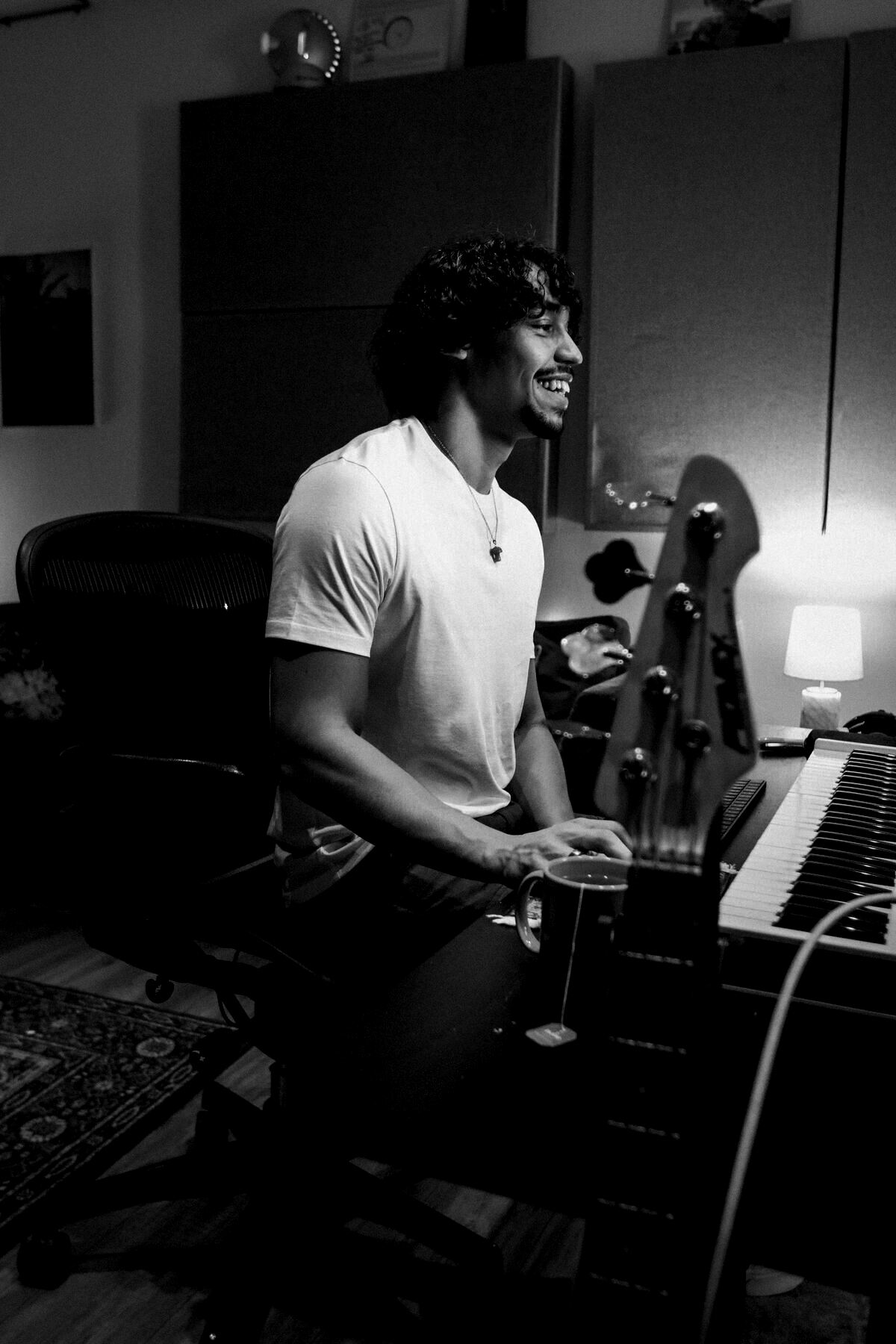
Aston has this way of creating a space that feels completely safe for artists.

Aston, how did you and Ella first start working together on this project, and what did you both want to achieve sonically from the outset?

We first connected through my friend Amelia and would bump into each other in the studio kitchen when she worked with my neighbours, GXL. Eventually, management linked us properly. In our first session, we made head in the ground. It’s raw, soulful, and bass-driven, and that set the tone for everything we did after. Ella’s team was like, “We found it!” for the album, sonically.

The album has a real sense of artistic rebirth; it’s soulful, raw, and self-assured. How did you translate that emotional honesty into production choices?

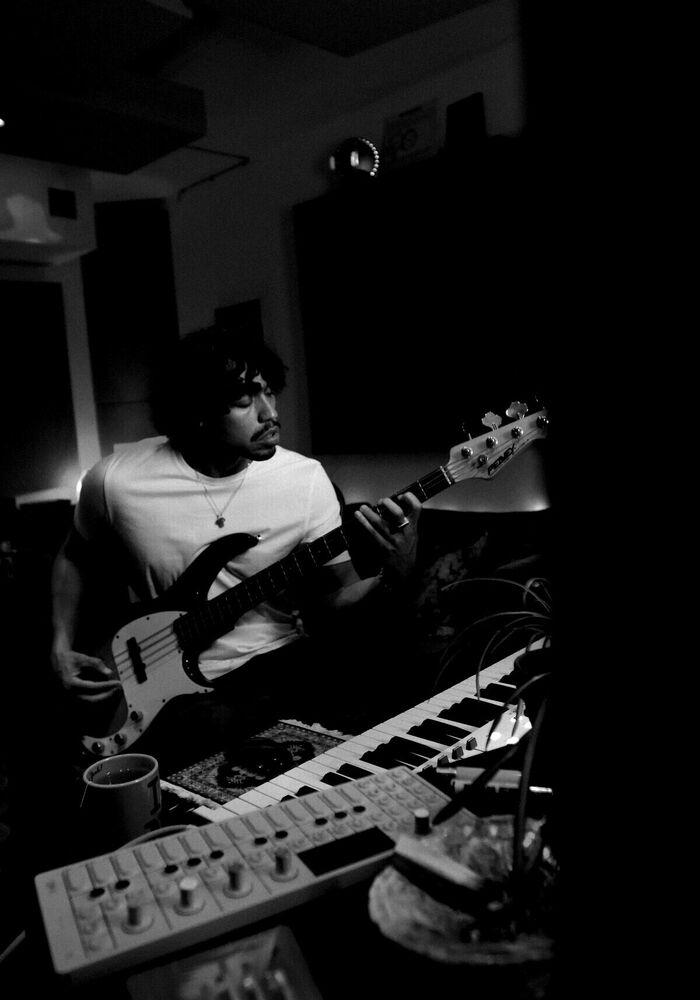
The honesty comes from the room itself. My studio’s pretty cosy and has an inviting feeling of inclusivity; I have an upright piano, a few guitars and percussion lying around, which means anyone could start playing something without having to wait for me to start clicking or recording [laughs]. Sonically, I noticed Ella resonated to organic-sounding percussion a lot. That mixed with the live bass and piano in my room created the feeling.

Ella described scrapping an earlier version of the album and starting fresh. Were you part of that transition?

Nah, I was part of the rebirth. By the time I got involved, she was done playing it safe. Ella wanted freedom from the boxes and expectations that came from her past success, and to reflect more of who she is now in a more raw, unapologetic way.

The record moves fluidly between genres: soul, R&B, funk, and gospel influences. How did you keep the production cohesive while exploring so many styles?

We made a shared reference playlist: Betty Davis, Christina Aguilera, Gregory Porter, Adele, Kirby. Plus, hanging out listening to music together really helped build a palette for me as a producer to draw from. I guess that also created cohesion because we were both referencing from similar places.

How do you typically structure your sessions with an artist like Ella? Do you start with live jams, vocal takes, or building beats from scratch?

Always from scratch. Usually, we’d start from a conversation, or if we’re in before Ella, Jonny [Lattimer], and I may start jamming for fun, and Ella comes peeking into the room like, “Ooh, what’s this?” and we start going instantly. With head in the ground, I started flicking through drum breaks as a starting point, then playing bass on top, and once Jonny started playing piano on top, everyone just locked in. Having some drum loops ready that day was an essential jumping-off point, and that really helped me understand the type of sounds Ella likes. It made the canvas less vague for later sessions.

This is Ella’s most fearless and unfiltered work. What did that look like in the studio?

Ella is seasoned and has loads of experience writing and in sessions. She’s assembled a group of co-writers and producers that she really trusts. I think that creates such a safe space for her to be super vulnerable about what’s going on in her life, and at the same time for everyone to do the same. It was a truly inclusive process.

I remember Ella being frustrated about a dynamic where she felt her efforts weren’t being reciprocated. That led to us writing what about me. It definitely resonated with me. I remember telling Ella that I’m a “recovering pleaser”, which she loved [laughs]. I’m glad we managed to sneak that line into the lyrics.

head in the ground is raw, soulful, and bass-driven, and that set the tone for everything we did after.

The Tech

Which monitors, interface, and DAW are you using?

Neumann KH 310 studio monitors. They’re a great all-rounder and sound solid in my room while writing and making decisions. I know them well now, including where they exaggerate parts of the spectrum. I use an Apollo x8 interface. It’s reliable, clean, and it integrates perfectly with my outboard chain. The Apollo sound is everywhere in modern music. 

Its conversion preserves the character of my Heritage Audio HA-73 Elite and WesAudio NG76 compressor chain, keeping everything tight and consistent. I use Pro Tools; it’s the DAW I know the deepest, and still love for recording and mixing. Plus, I saw Dr. Dre using it when I was 16 and never looked back!

How did you balance Ella’s powerful, soulful voice with the textured production?

The key to capturing the beast (Ella!) was being really hands-on during recording her vocals; first making sure my compressor was set correctly, and then literally riding the input level of my NG76 while recording her to control dynamics without flattening character. I’d always have my right hand on the input dial while tracking, while Ella would be standing right next to me. 

I’d pull the input down when she went big, push it up when the emotion needed intimacy, and try to keep it within about 5dB of gain reduction. Sometimes she’d belt, and it would go way past that, but it sounded incredible. It added this pressure to her vocals that just felt right for the record. I almost approached it like real-time clip gaining, subtly riding the input for dynamics.

What made this compressor the right choice for controlling Ella’s powerful voice without killing its grit or authenticity?

The NG76 lets you switch between Blackface and Blueface modes, and the Blueface compression just fits her tone – adding midrange presence and a bit of bite that worked beautifully. The speed of it also meant I could control those explosive moments without losing the character in her voice.

Were there any unconventional recording or mixing techniques you used to highlight Ella’s vocal nuances, especially after her recovery?

I wanted to hear Ella like you would hear the greats of the ‘60s and ‘70s: great miking, saturation, and musical distortion, but in a contemporary way. For her vocal chain, I used a Brauner Phantom – HA-73 – a NG76 compressor for clarity, while driving the pres a little for vintage tone. 

Leaning into the NG76 at times also really complemented her vocals on our records. For BVS, gang vocals and piano, I have a pair of Coles ribbon mics picking up the sound of my room, which naturally became part of the tone of our songs.

I wanted to hear Ella like you would hear the greats of the ‘60s and ‘70s: great miking, saturation and musical distortion but in a contemporary way.

How did you use the HA-73 gain structure to add warmth and analogue colour, and were there moments where you intentionally drove it harder for character?

All my live bass goes through the HA-73. I’ll push it harder or softer depending on the song, then shape it in the box with a Neural DSP Archetype Cory Wong X. Same with Ella’s vocal: I always have the trim dialled up to max and set the gain between 30-45, depending on how much colour I want. Driving it slightly gives that thickness.

What’s some of the essential gear or software that shaped this album – are there any particular synths, plugins, mics, monitors, or hardware you couldn’t live without?

My vocal chain for Ella was: a Brauner Phantom mic – HA-73 preamp – NG76 compressor, which was perfect for her gritty, dynamic voice and range. In the box, I used more NG76 emulations, Soothe2, Decapitator, and, of course, Valhalla VintageVerb.

Other key items were my upright piano, a Fender P bass, a pair of Coles ribbon mics (my favourite!), and various percussion pieces I have lying around in my room. The Coles adds a rich character – less pristine, more personality. They were perfect for BVs, gang vocals, and piano, contrasting Ella’s bright, upfront vocal. They soften the edges in a really special way.

In the box, I relied heavily on XLN Audio’s Addictive Drums for distorting and chopping up drum breaks, then layering them with other sounds and adding live percussion on top. 

That hybrid became the backbone of Ella’s new sound. It represented rebellion. A breakaway from the ultra-clean pop production she was expected to make. Sometimes, recording down the whole song and embellishing special moments in the arrangement.

Your vocal chain was clearly crucial. Why did that combination deliver the clarity with vintage tone you were aiming for with Ella?

Brauner into an HA-73 into an NG76 is a classic for me: clean mic, coloured preamp, fast compressor. That chain gave me the clarity I wanted while still letting me push the pres for warmth and attitude. It suited Ella’s voice perfectly. The Phantom has this bright, pristine quality that works beautifully with a dynamic voice like Ella’s. Once I heard how well it matched her tone, there was no need to look for anything else.

I saw Dr. Dre using Pro Tools when I was 16 and never looked back.

Soothe2 is often used to tame harshness. How did you use it without losing Ella’s natural grit?

I try not to let any single plugin do the heavy lifting. Soothe2 sat before the McDSP MC404 multiband compressor, catching small resonances – never more than about 3dB. Then the MC404 smoothed the overall tone. It’s about managing the harshness while keeping the grit.

Decapitator and Spectre both add saturation in different ways. How did you choose between them?

Decapitator is my go-to for Coles recordings of percussion – like the stomps and claps on what about me. Driving it brings up the noise floor and room tone, which adds life and attitude.

I rarely boost with EQ – if I boost, I boost with saturation. Spectre lets me add richness and shape tone to Ella’s vocal or other elements. And of course, Pultec for the top end.

You say tone is everything. How did you balance capturing tone at the source versus shaping it later with plugins?

I try to pick sounds that are already emotionally right; the kick, snare, loop, or groove that sets the tone of the song. Same with bass: for Ella’s music, it was always the P-Bass through the HA-73. It gets closer to the sound at the source, and you work less later. After that, you jam and record, then obsess over plugins to your heart’s content – just not during writing. That’s all, post [laughs].

Ella’s new sound represented rebellion; A breakaway from the ultra-clean pop production she was expected to make.

How did you use Valhalla VintageVerb to create depth while keeping Ella upfront in the mix?

My Valhalla trick is to de-ess before the reverb so the S’s don’t affect the tail. Then I’ll compress after the verb, side-chained to the lead vocal, so the space breathes around Ella. I’ll calculate the pre-delay and decay to the tempo, then tone-shape with the hi/lo-pass filters or EQ.

How did you use FabFilter Pro-Q 3 to balance Ella’s gritty vocal with the saturated production?

Pro-Q 3 with spectrum grab is step one – catching peaks on individual parts and on the vocal bus. Then I’ll compress, soothe, multiband, and add another Pro-Q to clean up whatever’s left before saturation and boosting.

Is there a specific instrument or sound texture that became a sonic signature for this album?

Live bass and live drums (or live-sounding!) set the landscape, and the gang vocals alongside Ella’s glued everything together. I think there’s an ethos that shaped the sound, too: if it sounds good, don’t overthink it and move on. 

Hardware I couldn’t live without would be my Heritage HA-73, Wes NG76, and the Coles. The software secret weapons are Addictive Drums and Archetype: Cory Wong, and I couldn’t do it without Valhalla, Pro-Q, and Decapitator either.

Aston Rudi images: Bethel Haimanot

Ella Eyre images: Kaj Jefferies