
Subscribe
Music News

How the BRIT Awards and Coldplay are leading sustainable touring with Hope Solutions

Sustainability is fast becoming one of the most urgent challenges facing the live music and events industry, with increasing pressure on artists, promoters and organisers to reduce environmental impact without compromising the scale and experience of modern productions. At the forefront of this shift is Hope Solutions, a specialist consultancy working across music, media and entertainment to help organisations embed meaningful, measurable climate action into everything from global tours to major broadcast events.

Founded by Luke Howell, the company has built a reputation for combining industry insight with data-led strategy, supporting high-profile projects to assess, measure and reduce their environmental footprint. From advising on global touring operations to shaping sustainability frameworks for large-scale events, Hope Solutions focuses on practical solutions that can be implemented across complex production ecosystems.

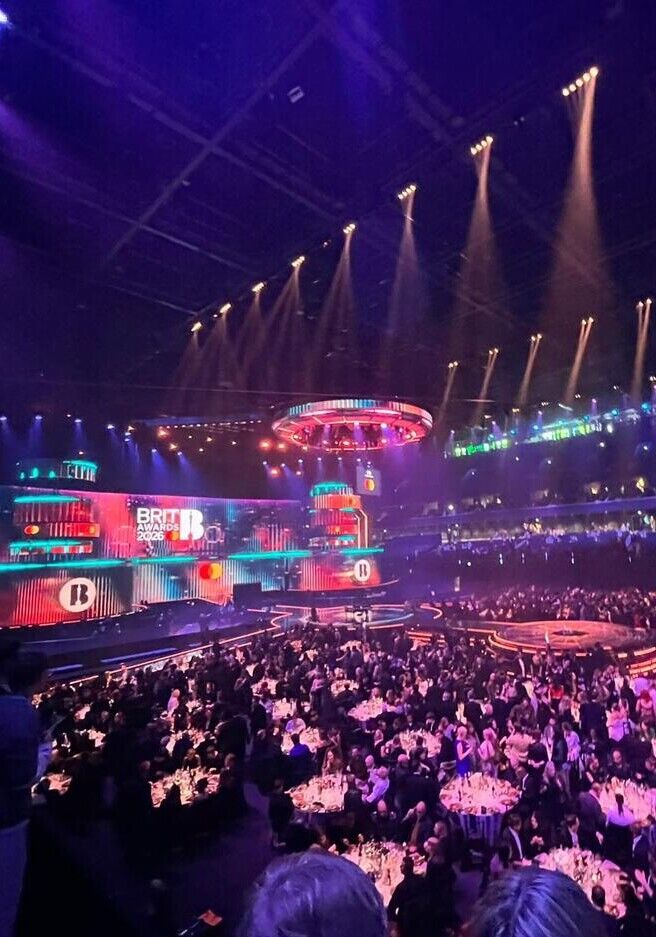
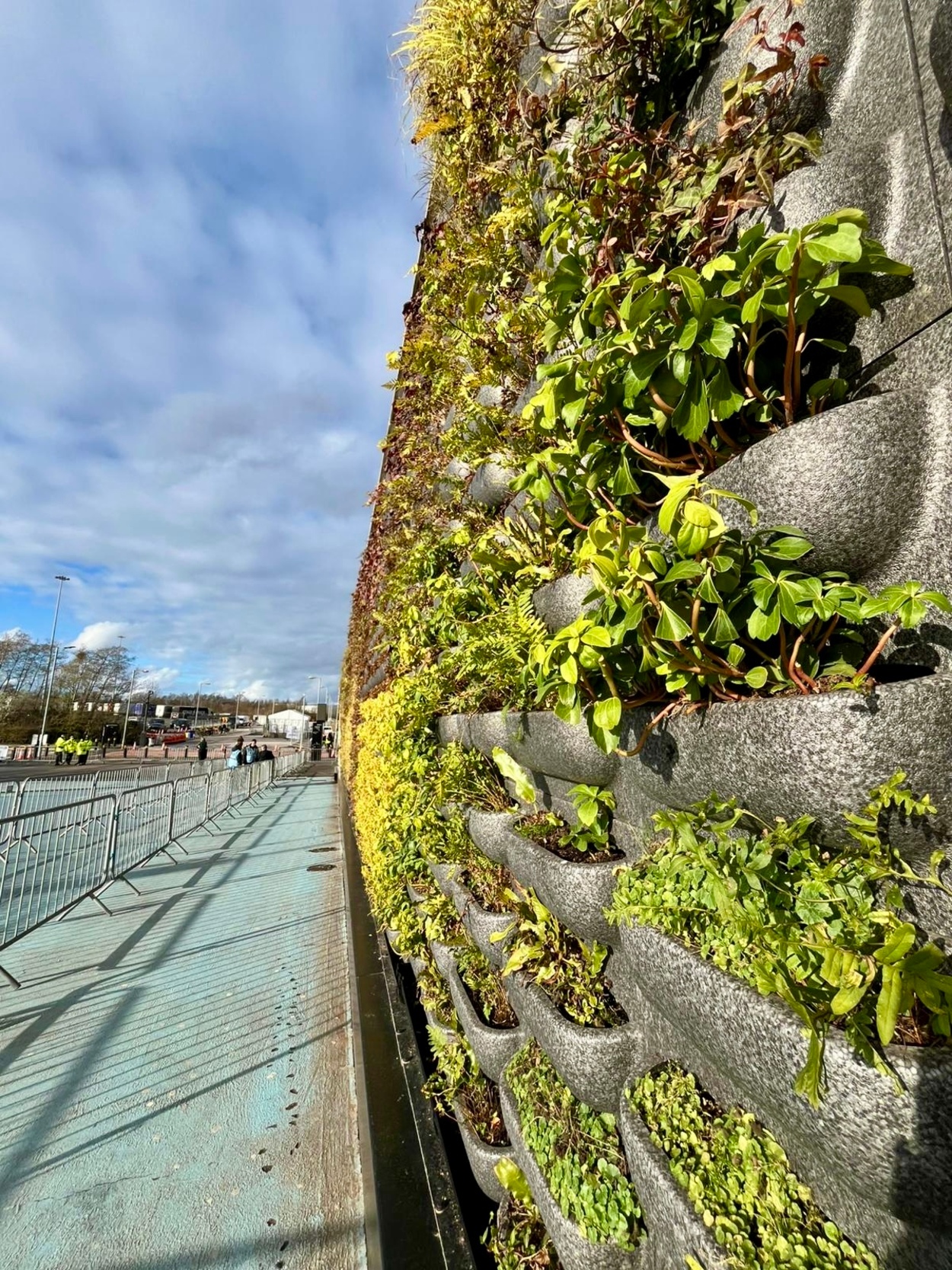
Their recent work includes leading the sustainability strategy for the BRIT Awards following its move to Manchester, which took place at Co-op Live – a venue powered by 100% renewable electricity and home to a football-field-sized solar array. 

The arena also operates without single-use plastic bottles, runs a local reusable cup system, offers locally sourced and plant-based catering options, and is focused on achieving zero waste to landfill.

In this interview, Howell discusses Hope Solutions’ approach to sustainable touring, its work on Coldplay’s Music of the Spheres tour and the BRIT Awards, the biggest contributors to environmental impact in live events, and the barriers that still exist for artists and promoters looking to tour more sustainably.

For us, practical sustainability is about efficiency and resilience. It’s not about abstract targets or box-ticking.

How would you describe the role Hope Solutions plays in the live music and entertainment industry?

We work behind the scenes to empower our clients to understand, measure and reduce their environmental impact, embedding sustainability into every stage of a project from early planning through to delivery and reporting. That might mean shaping strategy, supporting on-the-ground implementation, or helping teams navigate complex supply chains and new regulations.

We’ve been described as “the music and live event industry’s secret weapon in fighting climate change”, quietly enabling some of the most visible projects in the world to deliver meaningful change.

Your goal is to help organisations take practical steps towards a more sustainable future; what does “practical” sustainability mean in the context of live events?

For us, “practical” sustainability is about efficiency and resilience. It’s not about abstract targets or box-ticking, it’s about real-world solutions that work within the constraints of live production. That could be reducing energy demand, optimising logistics, or switching to lower-impact systems like battery power instead of diesel generators. It’s also about making sustainability achievable at scale.

What challenges in the live events and touring industry made Hope Solutions step in and support climate action?

I grew up in a touring circus and later worked across festivals and environmental education projects, so the intersection of climate, environment and live entertainment has always been something I understood. As the industry scaled globally, so did its environmental impact, but without consistent data, frameworks or accountability. That gap between ambition and actionable delivery is where we stepped in.

Fan travel alone can account for over 75% of an event’s total emissions.

Why is it important for sustainability to be embedded into the fabric of live events, productions and supply chains rather than treated as an add-on?

The earlier sustainability is introduced, the easier and more effective it is to deliver. Proactive planning allows teams to design out emissions rather than trying to retrofit solutions later.

When sustainability is embedded from the outset, it becomes part of decision-making across production, logistics and supply chains, rather than an afterthought. That shift from reactive to proactive is critical to achieving meaningful impact.

Do you think the industry is moving quickly enough towards meaningful climate action?

Yes and no. There’s a huge amount of positive work happening, but there’s still plenty of room for improvement, and some parts of the industry are slower to adapt. While the overall carbon footprint of live music is relatively small compared to other sectors, it has a far-reaching cultural influence. It can lead from the front, showcase what’s possible, and challenge established norms.

What barriers still exist for artists or promoters who want to tour more sustainably?

Cost is still the most commonly cited barrier. Despite growing evidence that sustainable choices can lead to long-term savings, there’s often hesitation around upfront investment. Inertia is another challenge because many teams rely on processes they’ve used for decades and are reluctant to change or experiment. Shifting that mindset is just as important as introducing new technology.

Inertia is a challenge because many teams rely on processes they’ve used for decades and are reluctant to change.

From your experience working across major projects, what areas of the industry tend to have the biggest environmental impact?

The biggest impacts are fan travel, energy use, and food and beverage. Our recent research with MIT and industry partners shows that fan travel alone can account for over 75% of an event’s total emissions, with venue energy and concessions making up much of the remainder.

There’s significant variation depending on the type, size and location of an event, but these hotspots are consistent across most formats. So, fan travel is by far the largest contributor, followed by energy use at venues and food and beverage. Operational emissions, like power for production, are still significant, but often smaller than audience-related impacts.

The BRIT Awards moved to Manchester for the first time this year; what did that mean in terms of reassessing the event’s environmental footprint?

A venue move is a key moment to reassess impact. It creates an opportunity to evaluate infrastructure, energy systems, logistics and audience travel patterns from scratch.

In practical terms, that means looking closely at how the venue is powered, how resources are used, and how audiences and crews travel to and from the event and then identifying opportunities to improve efficiency, reduce emissions and embed better systems.

Now that the event has taken place in a new venue, what insights or recommendations might help make future ceremonies even more sustainable?

Planning earlier and integrating sustainability into every stage of production is key. That includes aligning production design with available infrastructure, avoiding over-specification, and ensuring energy systems are efficient and well-managed. There’s also a big opportunity to address audience travel and improve data collection to better understand and reduce the impact year on year.

What practical steps can arenas and venues take to cut carbon while still hosting large-scale events?

Focus areas include improving energy efficiency, upgrading HVAC and lighting systems, integrating renewable energy and battery storage, and using smarter building management systems. Even simple operational changes like ensuring equipment is switched off when not in use can have a significant impact. Venues can also support touring productions by providing the right infrastructure, such as suitable grid connections to reduce reliance on generators.

Coldppay shifted the conversation from, 'Is this possible?' to, 'How do we do this at scale?'

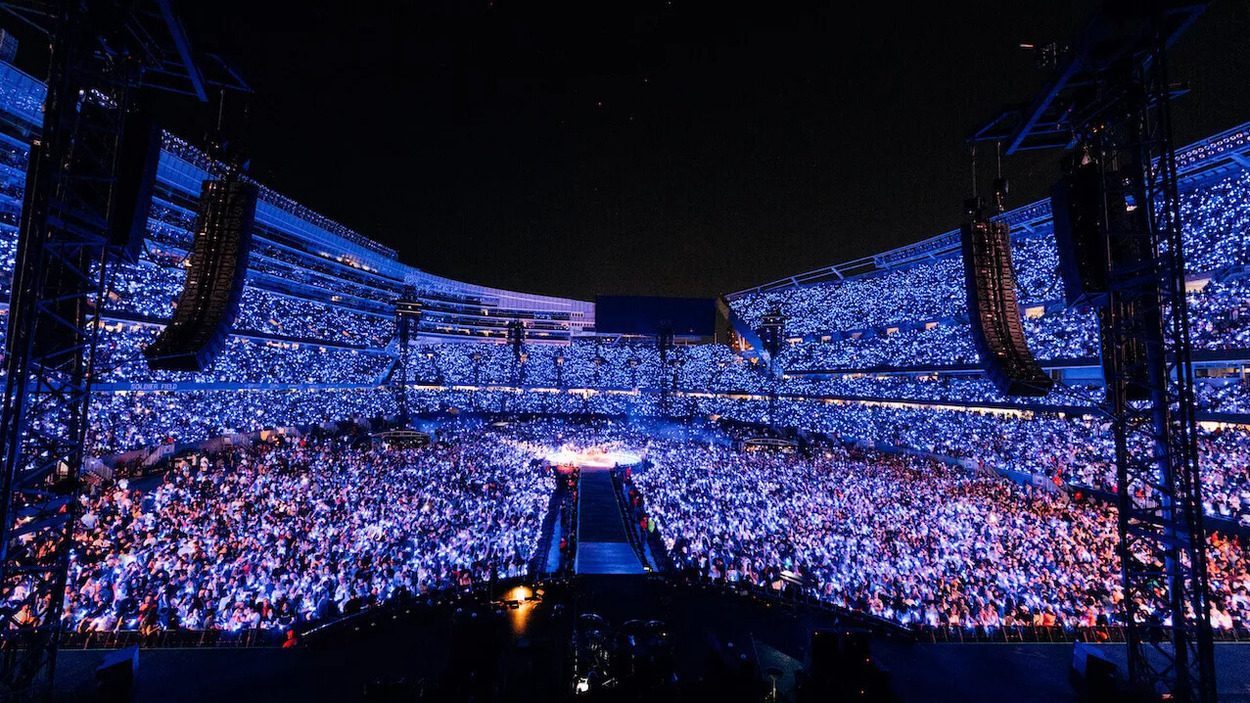
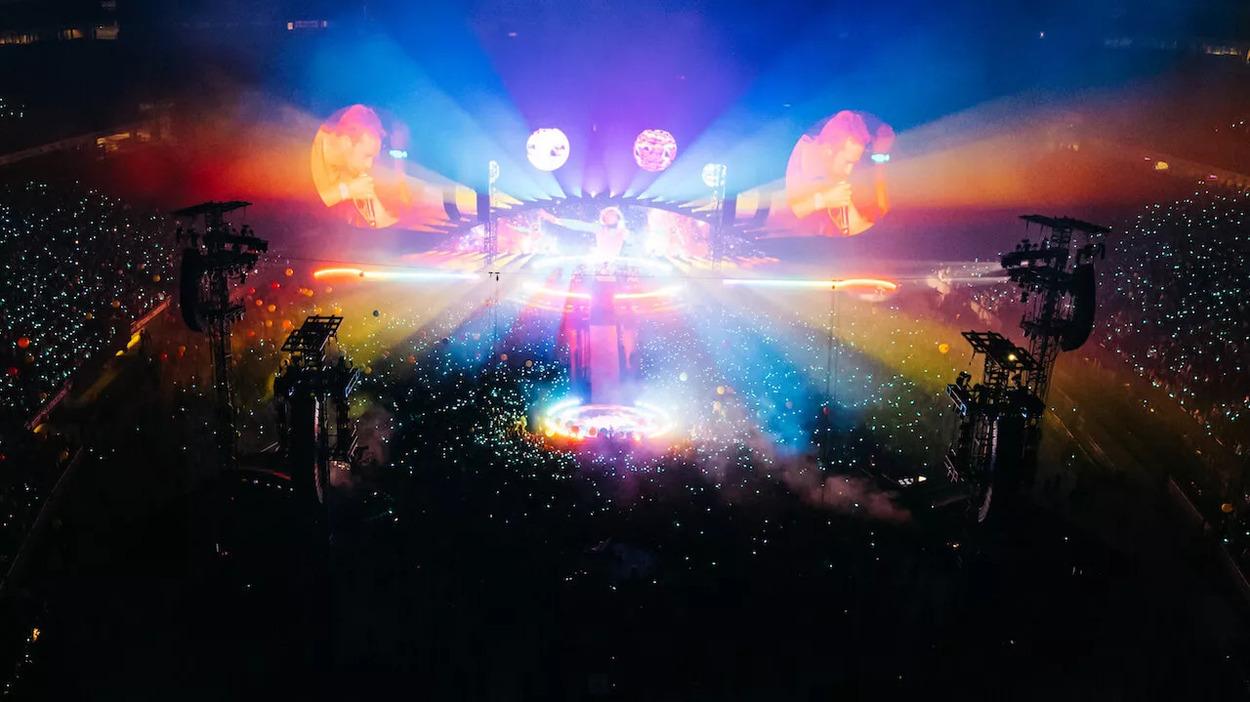
Coldplay’s Music of the Spheres tour set out to minimise CO2 emissions, with the band requiring that the sound system be 50% more energy-efficient than their previous tour, resulting in the deployment of a d&b audiotechnik system. What were Hope Solutions’ key sustainability goals behind that project?

The goal was to reimagine what a global stadium tour could look like from a sustainability perspective: reducing emissions, integrating renewable energy, and embedding lower-impact solutions across every aspect of the tour.

The tour achieved a 59% reduction in emissions compared with the band’s previous tour; what made that possible?

A combination of innovation, planning and collaboration. This included the use of renewable energy and battery systems instead of diesel generators, more efficient production design, and a holistic approach to logistics and operations. It also involved working closely with partners across the supply chain to implement and scale these solutions.

How has the success of that tour influenced conversations around sustainability in global touring?

It shifted the conversation from, “Is this possible?” to, “How do we do this at scale?” By demonstrating that a complex, global tour can significantly reduce its impact, it set a new benchmark and encouraged others to adopt similar approaches.

Artists and their teams can influence decisions around production design, travel and suppliers, while promoters and venues can enable or restrict what’s possible.

What realistic steps can the industry take to reduce emissions at scale?

Improving transport options for audiences, increasing energy efficiency, transitioning to renewable power, and designing productions more intelligently are all key. Better data and benchmarking also play a crucial role, enabling organisations to target the most impactful areas.

Are there specific areas where progress is already being made across UK events?

Yes. Particularly in energy systems, where we’re seeing a shift towards battery storage and renewable power, as well as improved measurement and reporting practices. Industry-wide collaboration and research are also helping to standardise approaches and accelerate progress.

Are you seeing a broader shift across the music industry towards more sustainable touring models?

Yes, there’s a clear shift. More artists, promoters and organisations are embedding sustainability into their planning and decision-making. While progress isn’t uniform, the direction of travel is positive, and momentum is building.

What role do artists, promoters and production teams play in accelerating that shift?

They play a critical role. Artists and their teams can influence decisions around production design, travel and suppliers, while promoters and venues can enable or restrict what’s possible. Collaboration across all these groups is essential to delivering meaningful change.

What changes would you like to see across the entire live music ecosystem in the next 5-10 years?

Greater standardisation in data and reporting, wider adoption of renewable energy and low-carbon technologies, and sustainability being embedded as a core part of how events are designed and delivered, not treated as an add-on. Ultimately, the goal is for sustainable practices to become the norm, supported by better infrastructure, stronger collaboration and a shared commitment across the entire industry.

Coldplay image credits: Stevie Rae Gibbs