Subscribe
Studio

Dolby Atmos vs Sony 360 Reality Audio: Grammy-winning Justin Gray explains the difference

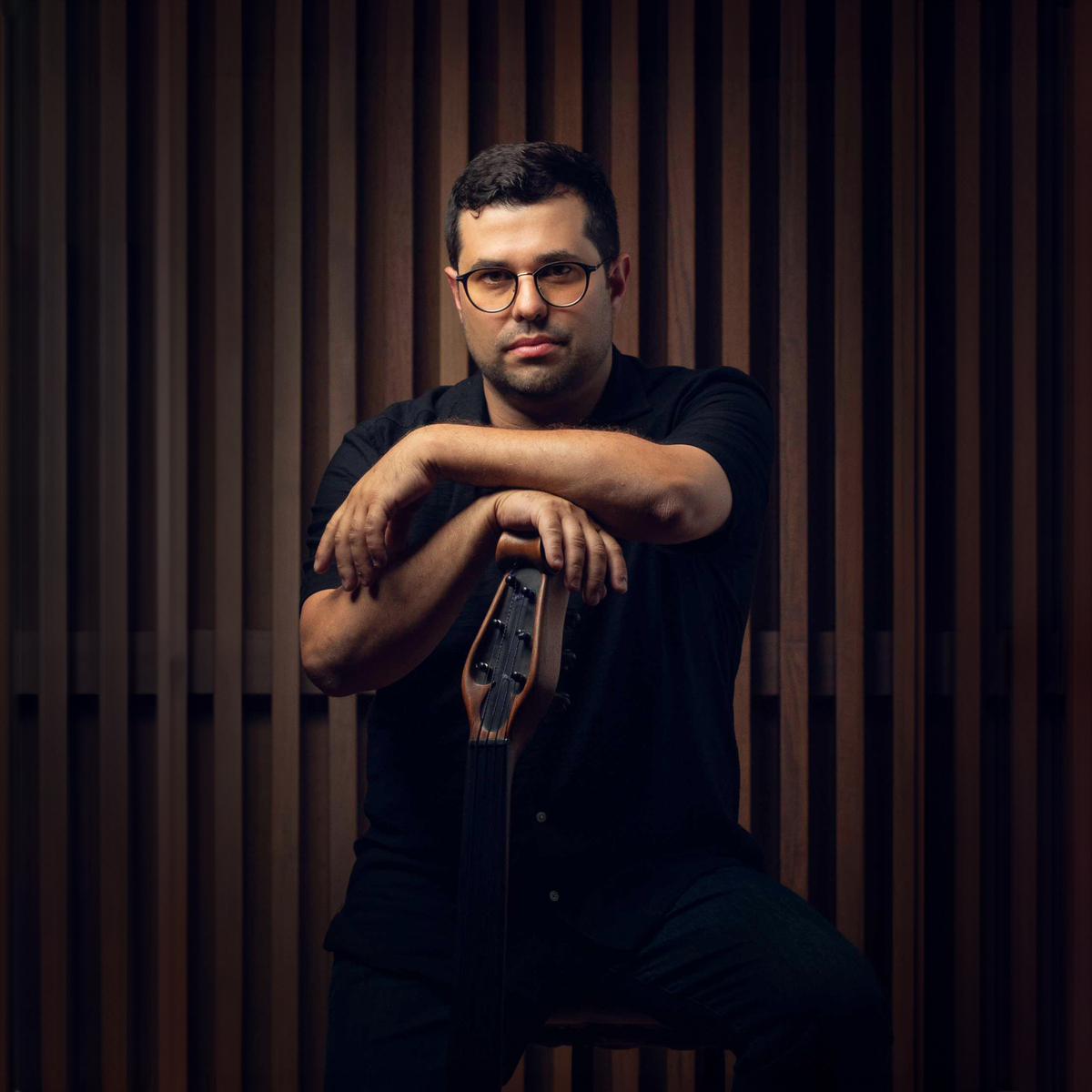
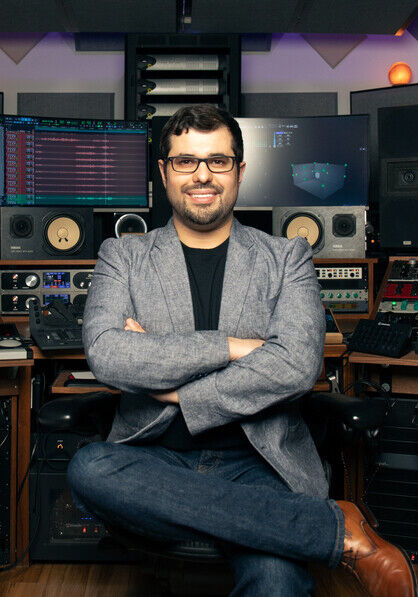
Few artists have pushed the boundaries of sound quite like Justin Gray. A Juno Award-winning bassist, composer, producer, and engineer based in Toronto, Gray has spent decades exploring the edges of music, ultimately redefining how we experience it in three dimensions. His latest project, IMMERSED, just earned him a GRAMMY for Best Immersive Audio Album – a testament not only to his artistry, but to his pioneering work in bringing immersive audio to the forefront of modern music production.

Gray’s fascination with spatial sound started early. As a child, he experienced Toronto’s iconic Cinesphere IMAX, where the speakers behind the projection screen were revealed to the audience. His understanding of immersive sound deepened later, and for him, there was one trilogy to rule them all: Howard Shore’s Lord of the Rings scores completely changed Gray’s relationship with sound.

Fast forward to today, Gray’s work in immersive audio spans both Dolby Atmos and Sony 360 Reality Audio, each offering unique creative possibilities. Dolby Atmos dominates in streaming, device support, and DAW integration, while Sony 360 Reality Audio offers a unique dome-inspired speaker layout in studios and personalised headphone optimisation, opening new possibilities for composition and spatial remixing.

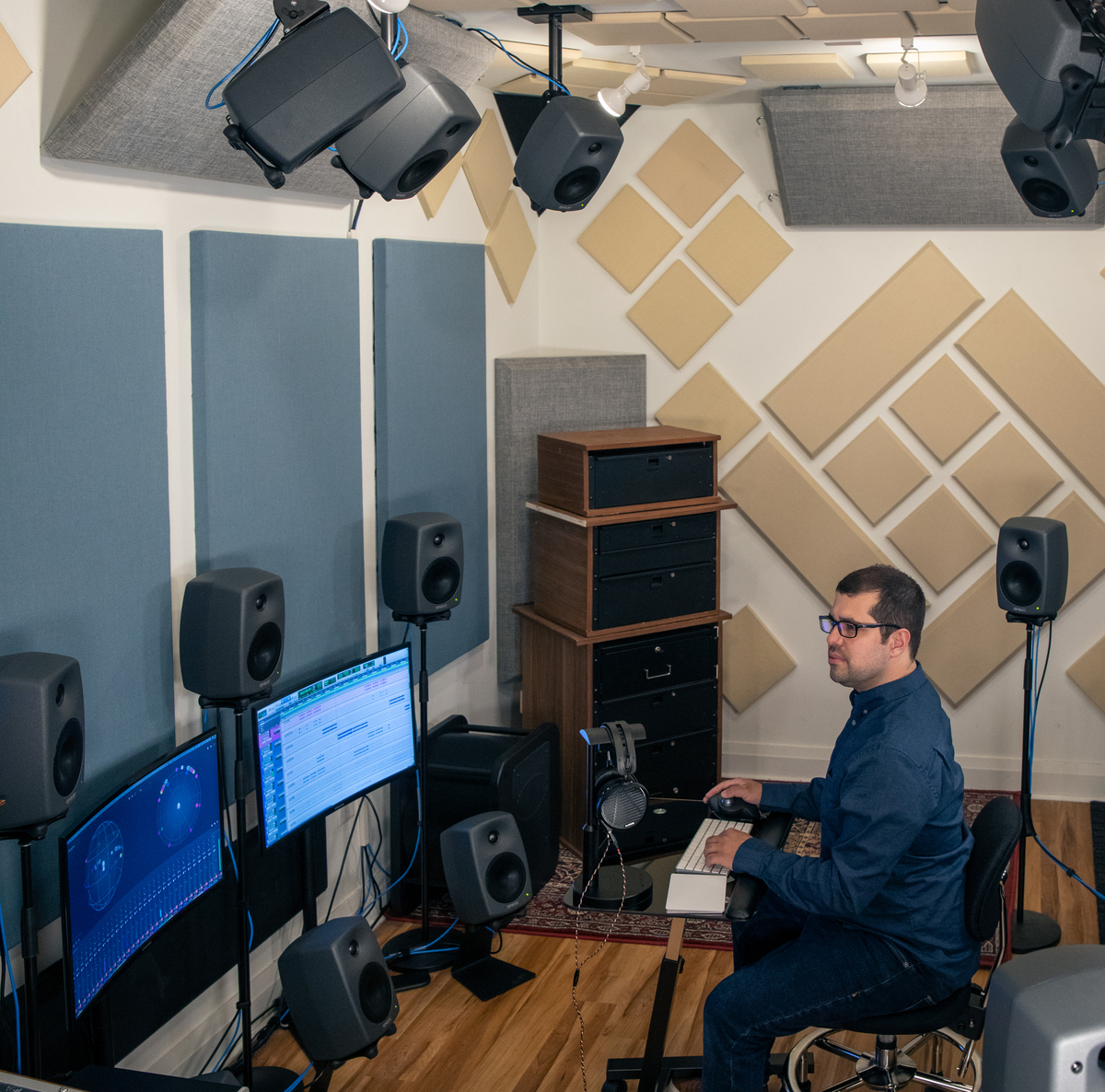
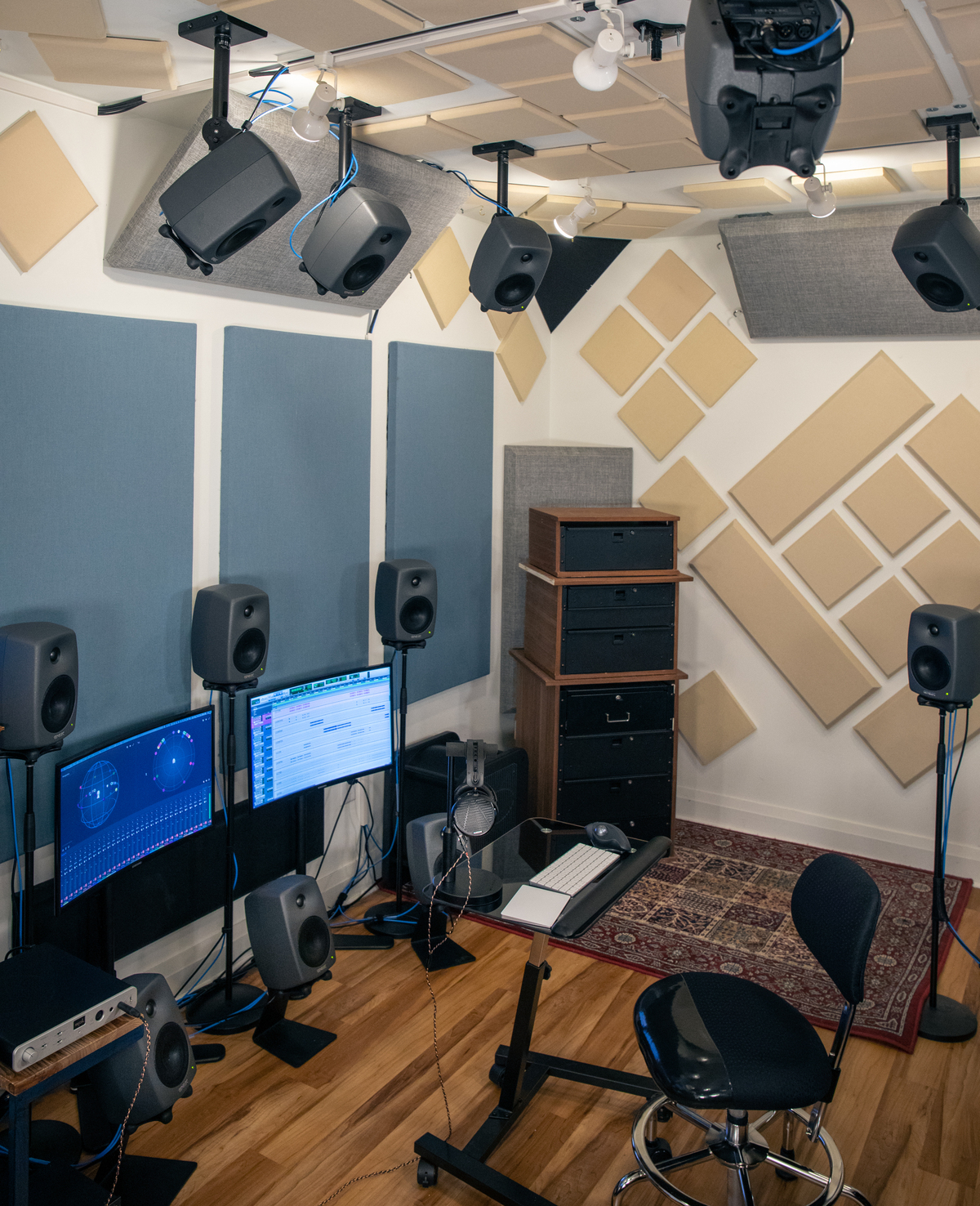
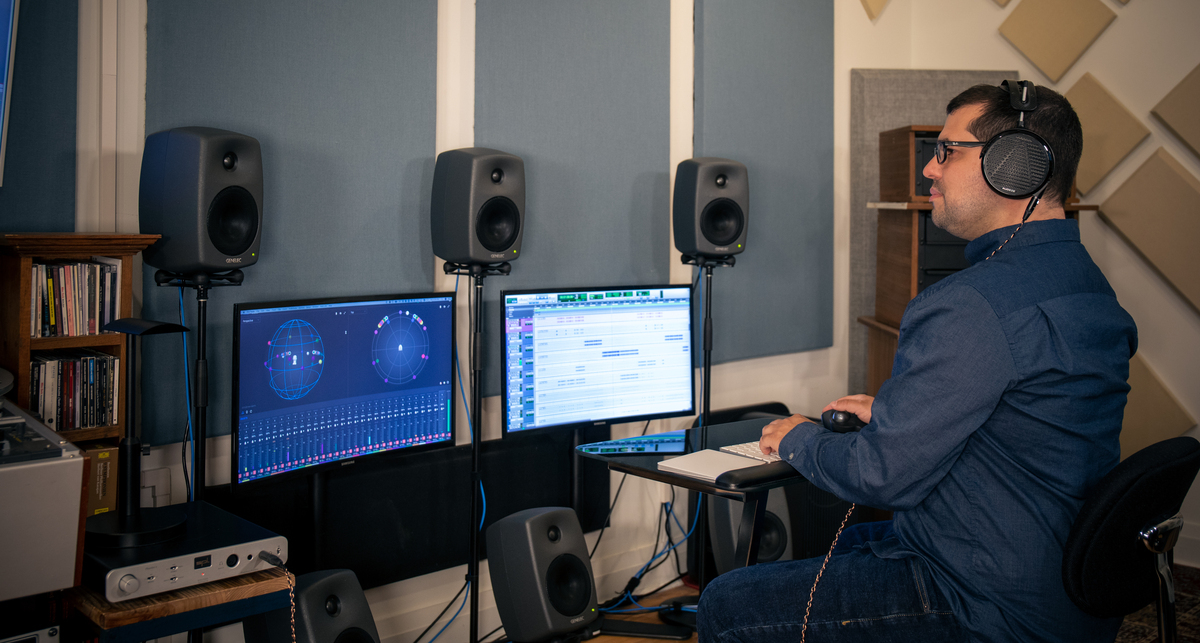
In his Sony-approved, Genelec-equipped studio, Gray has developed workflows that translate projects across these formats, ensuring that every mix – whether on cinema speakers or a smartphone – delivers the intended emotional impact.

In this interview, Gray dives into the making of his GRAMMY award-winning album, the artistic nuances of Sony 360RA versus Dolby Atmos, the creative power of spatial sound, and how immersive technology is shaping the future of music production.
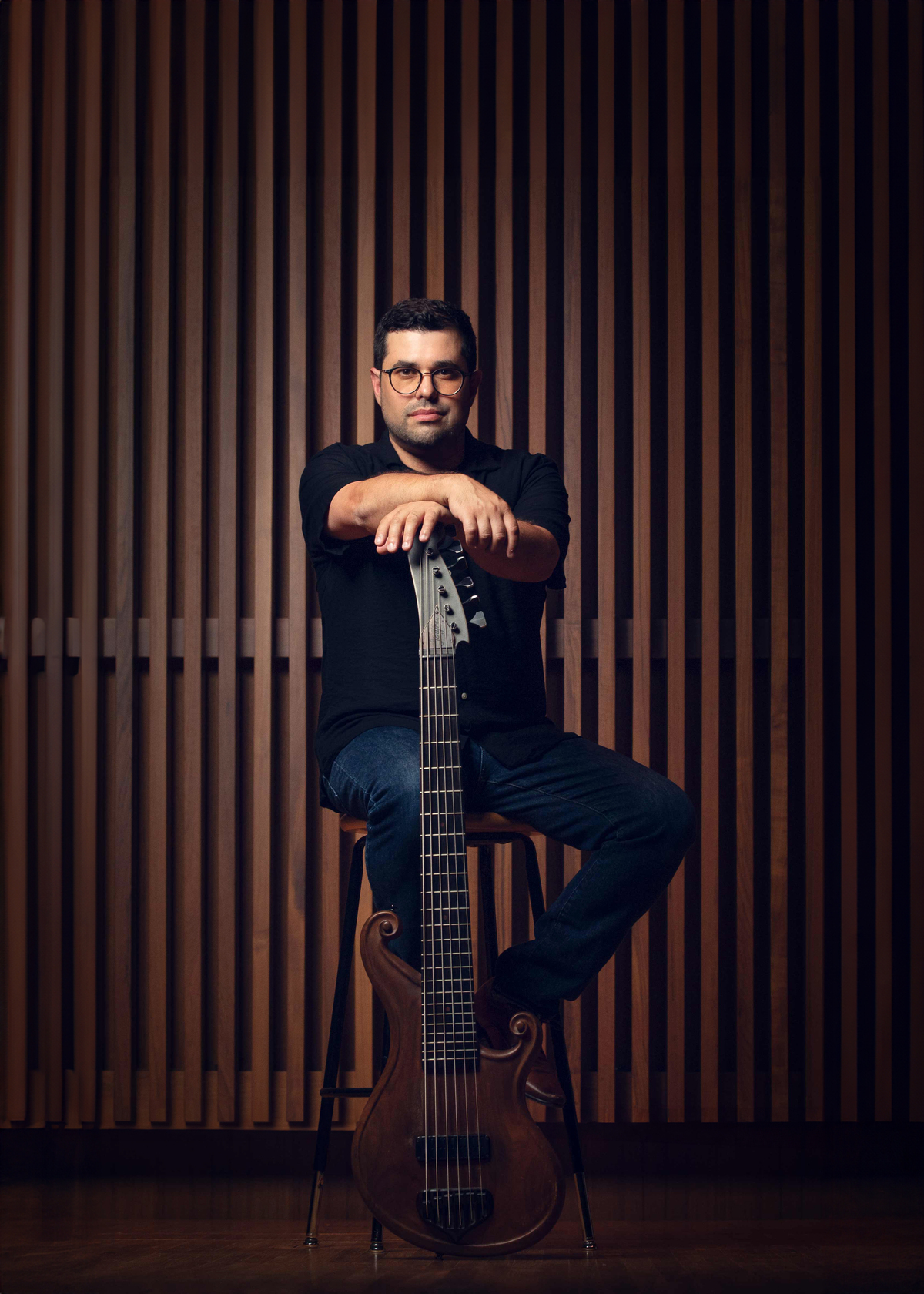
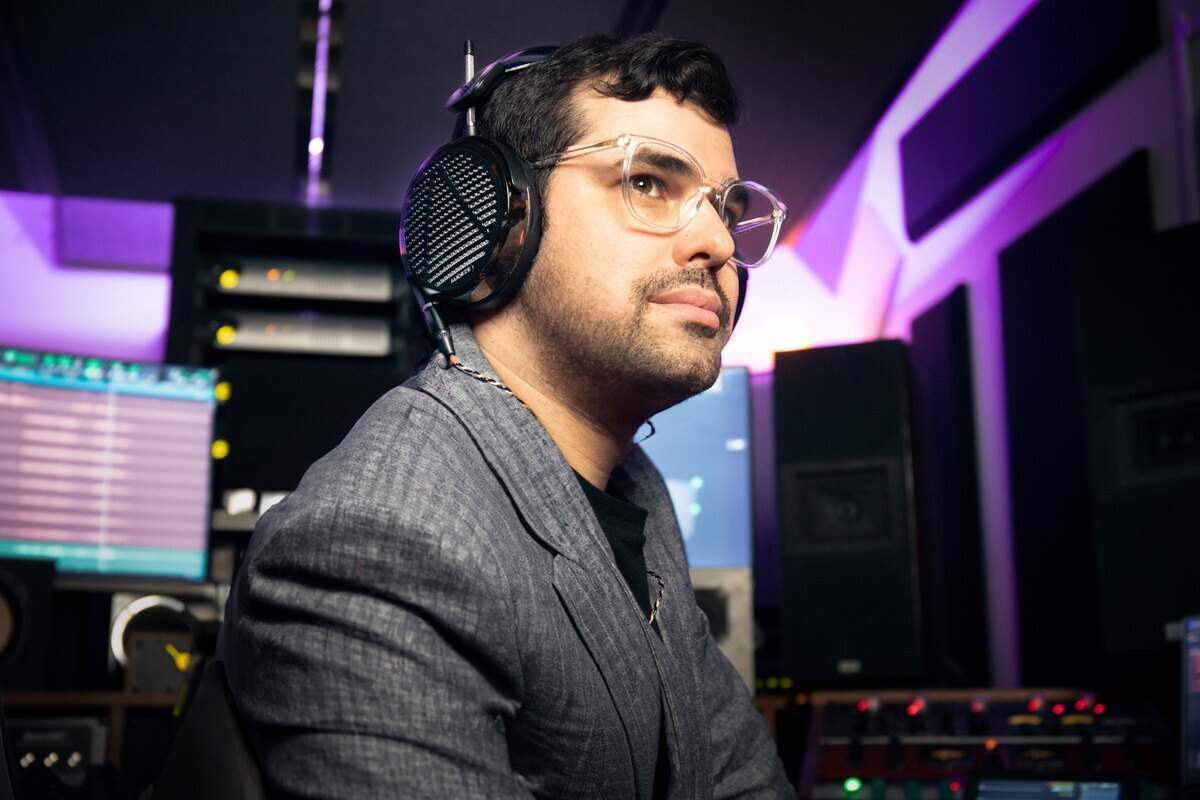
IMMERSED just won a Grammy for Best Immersive Audio Album. Congratulations! How did it feel to get that industry recognition?

It’s hard to put into words. Obviously, we don’t make music or art for awards. But in the case of the Grammys, because it’s the Recording Academy, which really means my peers, it’s genuinely voted on by fellow professionals who are dedicated to the art form, and in this case, specifically to immersive audio. It’s such an honour. It’s the kind of thing that gives you a lift – a sense of inspiration and energy – and I’m very grateful for it.

IMMERSED was built from the ground up as an immersive audio experience. What inspired you to create a full cinematic album with a 360-degree orchestra rather than adapting an existing stereo project?

I’ve been obsessed with music in surround formats for a very long time, even going back to when I was just a listener. I find that the use of space feels really natural to me as a creator, both as a composer and as a mixing engineer and producer. When I started writing this music, I was really focusing on the studio and working on other people’s music. 

Then some of this music started coming into my mind, and as soon as I started writing, I realised that I’ve worked in the surround and immersive world for so long that I almost can’t separate the feeling of space from the music itself.

From the very beginning, I knew I wanted the medium to be immersive audio – not just because I’m an engineer and producer in that format, but because I genuinely find it helps bring out the feeling of the compositions and the feeling of the music I’m trying to convey to a listener. 

I imagine the instruments: what’s in front of me, what’s behind me, what’s beside me, what’s above me. It opens up an entire other dimension. It doesn’t, of course, replace melody, groove, harmony, or form, but it adds to them. And it’s been such a joy to see it through this whole process.

I’ve worked in the surround and immersive world for so long that I almost can’t separate the feeling of space from the music itself.

Given that you’re known for your Sony 360 Reality Audio work, why did you choose to mix and produce this project in Dolby Atmos?

I’ve done the majority of my work in the immersive field in Atmos. I was one of the first engineers worldwide to approach it specifically as a music medium. That stems from a long-standing obsession, even before that, through film, so I was very aware of the format.

At this stage, when considering a delivery format, it’s crucial, both artistically and from a producer’s perspective, to understand the strengths and weaknesses and to know the benefits of using a particular medium. I’ve had the pleasure of touring the world as an educator, producer, and mixing engineer at various conferences and with the IMMERSED project.

From the outset, I wanted to share the music and the IMMERSED film as collective immersive listening experiences, and movie theatres proved to be a brilliant way to do this. They are fantastic spaces, already outfitted as immersive audio listening environments with a screen.

The cinema version of Atmos is one of the most beautiful, flexible, and adaptive immersive audio formats I know, and the practicality of being able to share it with audiences in these spaces was equally important.

You’ve become a leading specialist in Sony 360RA. What originally drew you to the format, and what creative possibilities does it open that other immersive formats don’t?

It came to me in a very similar way to others who work in the format. Sony 360 launched after Atmos had already had its big moment with Apple Music. Suddenly, there were requests not only for an Atmos version of a song. I like to call this work spatial remixing, where I’m remixing something originally conceived for stereo, but also to do it in Sony 360.

I started researching and understanding what the format was. The concept of immersive, adaptive, object-based audio is very similar, but some unique aspects really inspired me. I had the opportunity to work on it a lot straight away, which was a massive, fast learning curve. With Atmos, I’d had years to work out the concept, but musically, the idea of orchestrating music spatially is the same between the two.

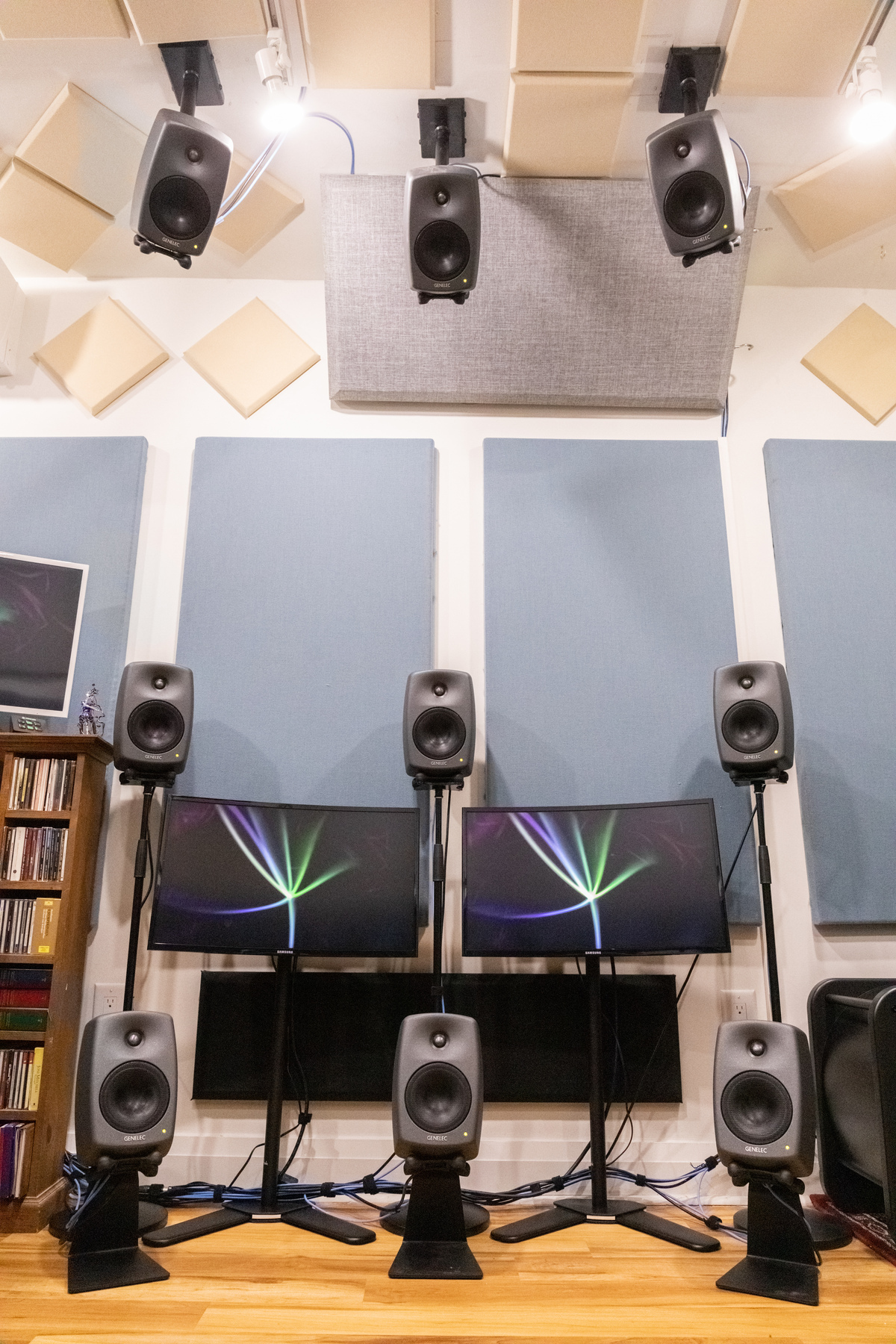
What the Sony 360 offers is a different speaker layout. We have a lower level of speakers, which provides something very unique: three on the lower level in front of us, three on the main level in front of us, and three on the upper level in front of us; it’s a true wall of sound. 

Then we have two rear surrounds on the main layer and two upper rear surrounds, or height rear speakers. It’s effectively a dome, and you’re sitting inside it.

What’s fascinating about that is how space affects creativity – it certainly does for me. Having different anchor points to orchestrate the music inspires different ideas. I’d remix a song in Atmos, then do a completely new remix in Sony 360, and start relating to how to use sounds below us in a way that isn’t really possible in other formats, except when you go up the chain to NHK 22.2, which is the overarching concept behind the Sony system – and the Japanese immersive audio standard. 

Sony has brought that concept in and reduced the number of speakers for practicality, with different technology and workflows. But at the end of the day, it’s about learning to relate to the technology and how it serves the music.

With Sony, it’s very rare to see a 13-channel system. That creates the challenge of accepting that it’s a headphone-first medium.

Many artists and engineers must ask you about 360RA. What are the most common misconceptions or questions you hear about the format?

It’s not so much a misconception as, from a production standpoint, something I really encourage all of us to think about. Regardless of the format we’re working in, I believe we should treat each one as its own entity to truly maximise the potential of Atmos, Sony 360, discrete channel production, and – looking ahead – the immersive installation and live immersive opportunities we’re going to see more and more of.

In each case, the ideal is to conceive and produce specifically for that format, so we can really make the most of it, rather than create one version and force it to fit everywhere. That approach can work, and some engineers are very experienced at doing it and understand the common ground between formats. Of course, budgets and time are real considerations.

Going forward, I see each of these as unique musical production opportunities. The key is learning the technology, understanding its intent, and learning how to maximise it. I’m a hopeless optimist, but I hope that in every case, whether it’s stereo, Atmos, 360, installations, or discrete channel productions, artists, producers, and the whole team can prioritise sound quality and the art itself, and truly maximise whatever format they’re working in.

When we move into the Sony world, we’re using the 360 WalkMix Creator; it’s basically learning a different DAW within a DAW.

You often work in both Dolby Atmos and Sony 360RA. What do you see as the most fundamental creative and technical differences between the two formats?

With Atmos, we have a very realistic pathway for speaker playback. From consumers to cinemas to studios, people have largely set up their systems around the way Dolby has oriented speakers, so there’s a clearer understanding of how things translate.

With Sony, though, it’s very rare to see a 13-channel system – it’s actually 13.0, with no LFE – in any consumer listening environment. That creates the challenge of accepting that it’s really a headphone-first medium, even though it’s designed to be produced on speakers. That’s a big challenge. 

With Atmos, we have to think about both speakers and headphones – neither can be ignored, and I believe they both matter. With Sony, it flips a little. Translation to headphones becomes even more essential because, realistically, that’s how most people will hear it, apart from a very small percentage.

There are now a couple of AVRs that support 13.0, but I’ve never seen one in a home cinema or home entertainment setup. The second is that the delivery container is different. Sony 360 uses MPEG-H, so the master file is different, its capabilities are different, and the authoring process and all of those steps are quite complicated, especially for someone new to it. As with all multi-channel formats, a lot is going on, and a lot that needs to be handled carefully to make sure the file not only sounds good now, but also stands the test of time in the future.

Why do Sony 360RA and Dolby Atmos require unique production approaches?

What I’ve found is that, to really maximise the fidelity of both formats, I’m very much an object-based mixer. I like using objects, the flexibility they give: the decoding flexibility, the binaural control, and the downstream options in both mastering and playback. 

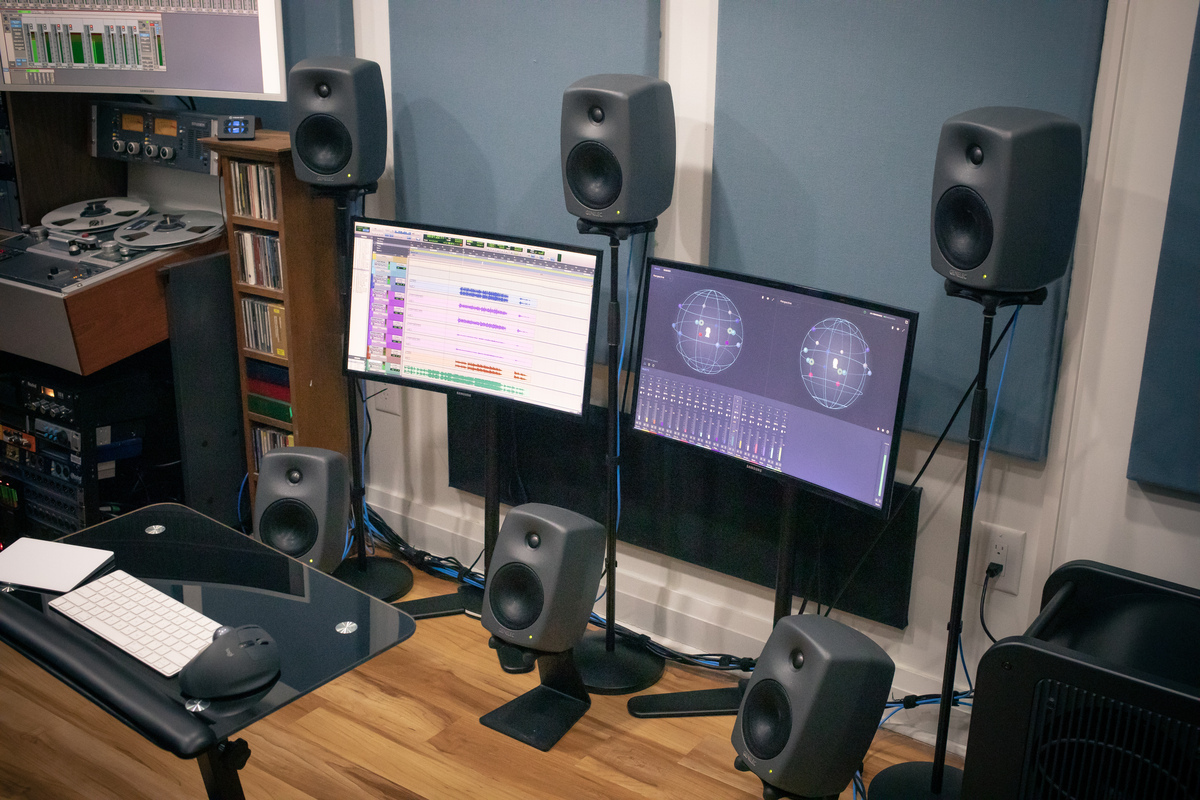
When we’re in the Atmos world, we have to learn how all of that works within the Pro Tools ecosystem, how to process sound in the way we want. When we move into the Sony world, we’re using a different program, the 360 WalkMix Creator, so it’s basically learning a different DAW within a DAW. More importantly, though, it’s about learning where sound sources fit within each technology.

When it comes to binaural, especially with Sony, some strengths and areas translate well, and others are more challenging. A big part of that is positionality. The HRTFs being used are different in each system, so you have to learn how they behave. 

With Sony 360, I’ve found that if I try to drop in something I did in another format, I often want to adapt it to maintain timbre and, ultimately, the same feeling of the song. That usually means slightly different positioning, because of how the technology works, how the binaural rendering is created, and what its core concepts are built around.

Atmos has broader industry adoption, yet you advocate for 360RA’s unique strengths. What musical or artistic situations do you feel 360RA is objectively better suited for?

At this stage, and coming back to IMMERSED, I made a conscious decision to work in Atmos, mainly because it can be integrated right from the editing stage in a very practical way. The integration into Pro Tools, the flexibility, the simplicity of how the system works, and the CPU efficiency all mattered. 

I couldn’t have made that record in an adaptive, object-based format that wasn’t Atmos in Pro Tools. Some of the tracks reach 1,000 layers, all at 96kHz, and there was video rendering involved as well. From a practical standpoint alone, that made the choice clear.

Compositionally, I also chose to write and arrange the music around about 15 speaker points – 9.1.6 if you include the LFE. I treated the LFE as part of the mixing and production process, not the composition process for this record. So I’m really orchestrating and conceiving the music as a 15-channel project. 

That means choosing instruments per speaker and creating harmonies based on that layout. It’s not that I can’t pan into phantom positions; I do that all the time in pop work, but for this project, I treated it as a fairly discrete 9.1.6 concept and philosophy. And honestly, 15 points were plenty!

I couldn’t have made IMMERSED in an adaptive, object-based format that wasn’t Atmos in Pro Tools. Some of the tracks reach 1,000 layers.

Your studio is an approved Sony 360RA mixing and mastering facility boasting a 13.0 Genelec array designed to Sony’s specifications. Which monitors and subs are you using, and how did these meet Sony’s strict requirements?

My setup gives me a proper Sony 360 system: 13 channels of Genelec 8320As plus a 7360A subwoofer for bass management, since Sony 360 doesn’t have an LFE channel. In Atmos, every speaker is full-range, so I don’t need bass management there. This was both a spatial and financial decision. Those 8320s defy the laws of physics – the timbral accuracy and the tuning precision are exceptional. I still use my Trinnov as the heart of the studio, and I aligned everything with the Genlec SAM system to manage tuning, timbre, and bass. Now everything plays through it in my studio, so it’s effectively mandatory.

Because of the room, it’s a nearfield monitoring scenario, whereas the Atmos system is more midfield. But the workflow is seamless, I can just move over, same computer, no changes, which keeps creativity flowing without sacrificing time. And now I have a speaker array with nothing in front of it – no desk, no gear – so I get minimal reflections, which I really appreciate. I’ve even considered how this could benefit other scenarios as well.

How do you ensure that a mix created on your Genelec array translates accurately across consumer devices like headphones, smartphones, and streaming platforms?

The art of translation starts with knowing your system. At the end of the day, you have to understand your own environment, but also how your work goes out into the world. I’ve spent a huge amount of time listening to everything in every format. 

As soon as something is released, I’m listening on headphones through the various streaming services, checking every soundbar and every piece of consumer technology. Over time, you develop an internal knowledge base that lets you calibrate what you hear in the studio against what’s happening in the real world.

In a properly tuned Genelec system, when the room is flat, timing delays are corrected, and bass management is sorted, so you’re in a controlled studio environment, and you can trust what you hear. Headphones are equally important in this process to study how mixes translate outside the studio. 

Translation is part of mixing and definitely part of mastering. It’s about having the confidence that you’ve heard your work everywhere and made the sonic decisions so that it will sound as intended, no matter how someone listens.

Those 8320s defy the laws of physics – the timbral accuracy, the tuning precision is exceptional.

You’ve worked with artists ranging from Olivia Rodrigo to Carlos Santana using the Sony 360RA format. What factors determine whether a project will truly benefit from a spatial remix?

In the early days, there’s no doubt that spatial remixing was almost entirely driven at the label level – relationships between labels, streaming platforms, and the companies involved. Over time, that’s changed. It’s moved to the artist level and the producer level, which I love. Even as an artist myself, that’s where I’m coming from. If we can integrate space into a project from the very beginning, the creative possibilities are huge, and it’s incredibly inspiring.

I really think it comes down to a series of industry decisions and artistic decisions about what goes where. I’ll use the Olivia project as an example. First, you’ve got the stereo production; that comes first. Then the stereo masters are created, and that record, GUTS, is already legendary, even in the short time it’s been out. Then the Atmos mix was done, and they absolutely killed it. They did a beautiful job.

Somewhere along the line, Sony 360 was requested. The goal was to make something congruent – not that stereo, Atmos, and 360 all have to match exactly, because that’s an artistic, production,n and label decision, not an engineering one. 

If the team says, “We love the sound of the stereo,” then that’s the reference. When I listened to the Atmos, I thought, yes, this is exactly how spatial remixing should be done: it keeps all the essence of the original while opening up this beautiful space.

So when it came to 360, I used all the assets to create that master, making sure it felt true to the Atmos work. It’s a very time-intensive process, and the timelines are intense. At the level Olivia is working at, with world touring to follow, there are incredibly tight deadlines that can’t be missed. One missed deadline creates a domino effect, and some of those decisions are made a year in advance. 

Releasing something in three formats by the same deadline is no joke. But that decision was made at the top, and then a team was put together that could make it happen. No matter how much time you have, you’ll always want more. We have to be proud of what we create and confident in it, and there are a lot of skills that go into making that possible.

Do you think 360RA will carve out a distinct niche separate from Dolby Atmos, and if so, what will define its unique artistic value?

I’m all for technology being in the service of the art. Every form of technology needs to define its artistic goal and then study, from every angle, how to serve that goal. My job is to use whatever format is requested to make the best possible music at that moment. 

What needs to happen is that every company continues to study how its technology integrates into the artistic process and perfects those tools. When that happens, the ecosystem grows. You can already see this with Atmos. Speaking as an artist, my relationship with Atmos became creative, not just technical.

For Sony, Dolby, or anyone else, the focus should be on how their technology is being used and how it can best serve the industry. If everyone is only looking at Top 40 songs, the decisions will be specific to that context. But if they expand to video, film, video games, or live immersive playback, they need to think philosophically: what are we trying to achieve, and how can we create the best possible technology to serve that vision?