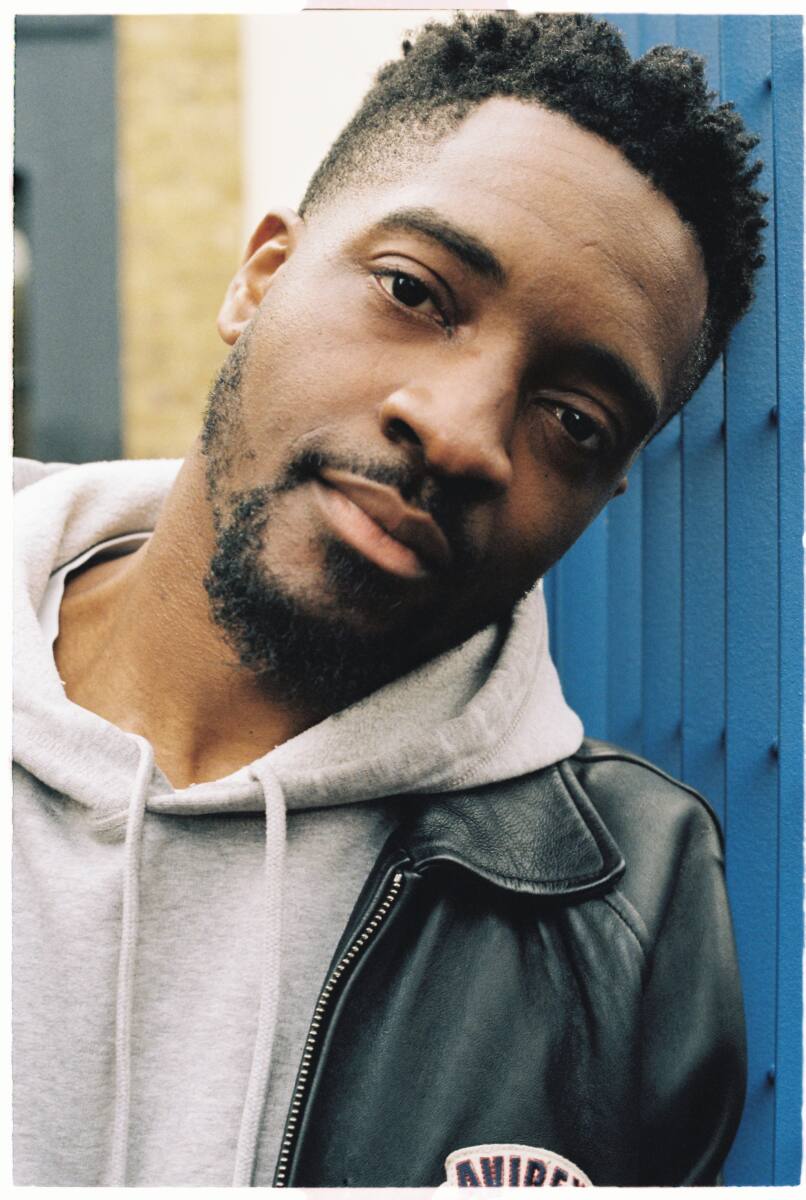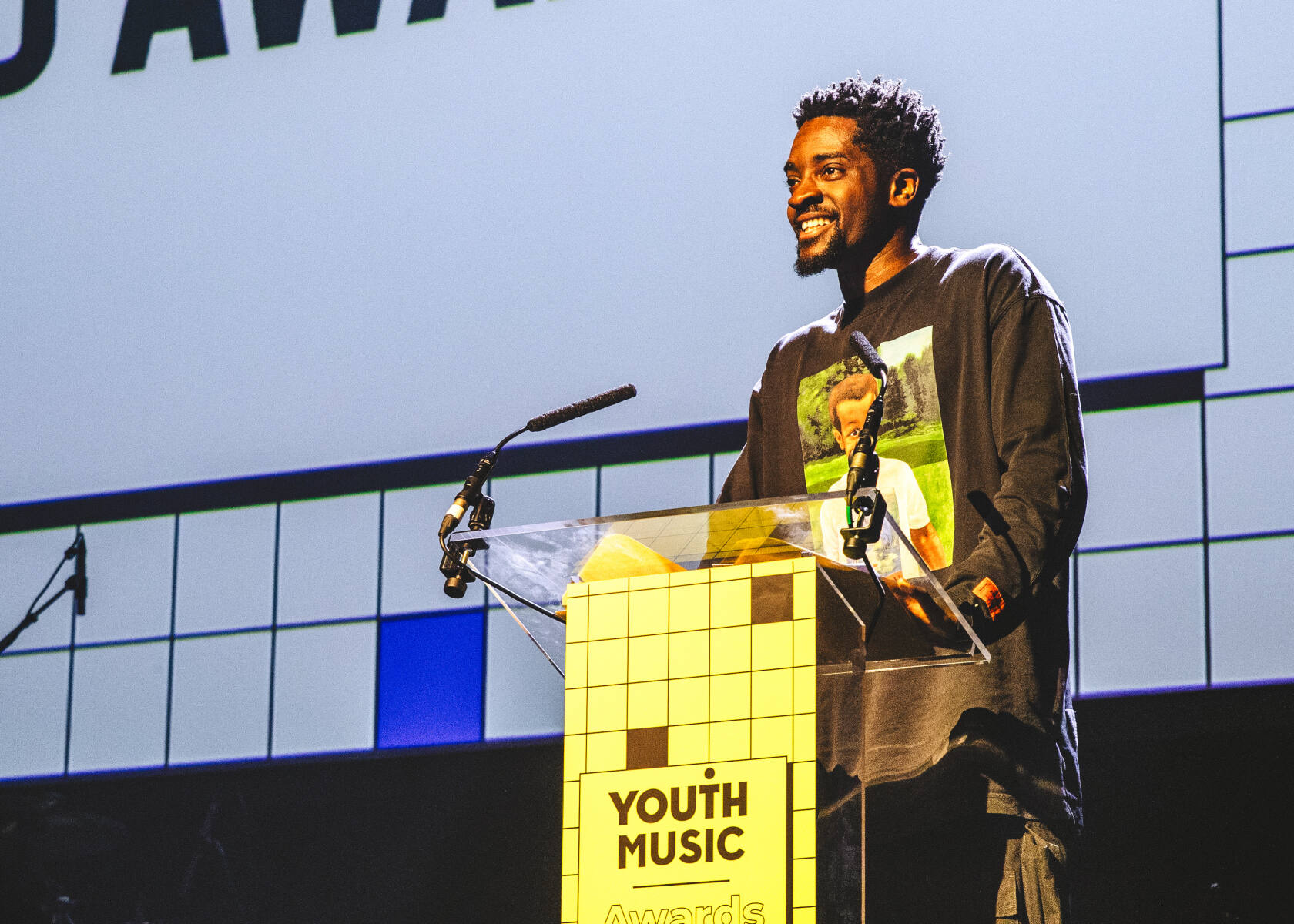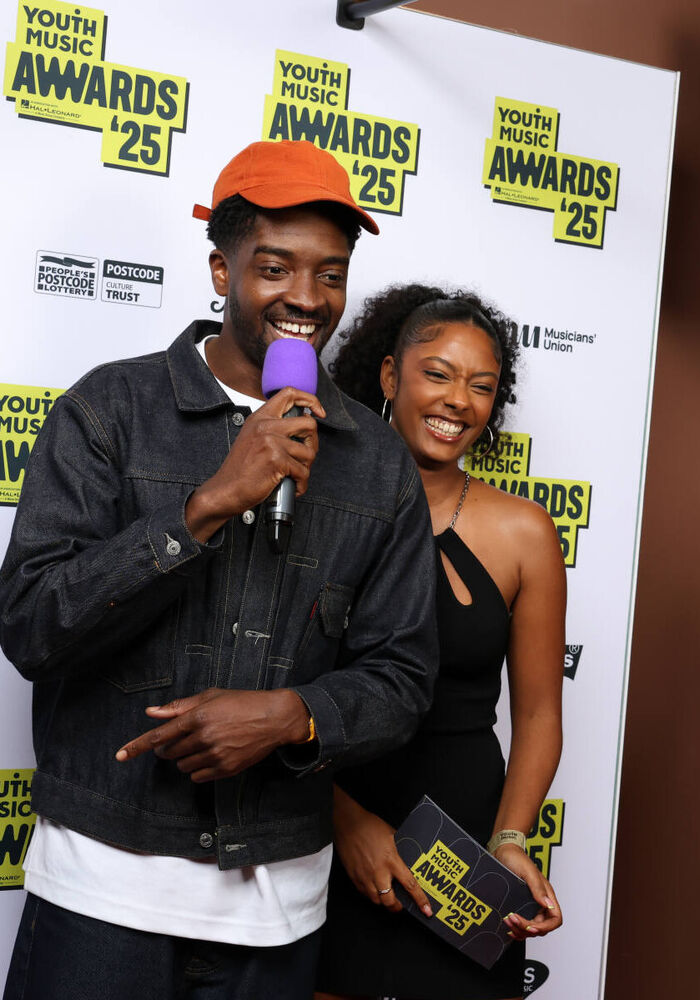


Growing up in Newham, East London, placing him in the grime music lineage of the likes of Kano, Ghetts, and Dizzee Rascal, Guvna B is a MOBO-winning rapper, author, broadcaster, and now co-chair of Youth Music. Despite limited music opportunities growing up, he’s become a leading voice in the UK’s rap and hip-hop scene, and also works as a football pundit for Sky Sports. He chats to Headliner about his work as co-chair of Youth Music and helping the underrepresented voices in the UK who could become the next Stormzy or Little Simz.
Born to Ghanaian parents, Guvna B experienced a religious upbringing in East London, still influencing the Christian slant on his music to this day. He got a degree in business and journalism from the University of Hertfordshire, then returned to London to begin creating his unique take on UK rap – unlike his grime contemporaries, he released UK hip hop that combined urban and gospel sounds.
It was a forward-thinking approach that paid off, including two MOBO Awards for Best Gospel Act, three Urban Music Awards for Best Gospel Act or Artist, and a Gospel Music Award for Best Gospel Artist. In 2013, he achieved a milestone by becoming the first rapper to top the Official Christian and Gospel Charts with his album, Odd1Out. All the while, he also caught attention by appearing on tracks with the likes of Ghetts, D Double E, and Wretch 32. And, as a dedicated West Ham fan, has appeared as a football pundit on Sky Sports News. Creativity runs in the family; he is a cousin of Michaela Coel, best known as the lead actor and creator of I May Destroy You.
Another impressive entry on his CV, he recently became co-chair of Youth Music. He joins the organisation at a fork in the road moment for young people and music in the UK, especially regarding diversity and representation. In a recent report, Youth Music found that only 29 percent of young people from Global Majority backgrounds feel represented in the music industry, compared to 53 percent of white musicians. The report also found problems with a Eurocentric curriculum and cultural bias, leaving many music students feeling unseen, and a lack of visible role models in the industry from GM backgrounds. Add to this systemic barriers to career progression, a lack of funding for grassroots music spaces, and the chances of the next Stormzy, Little Simz, or Ezra Collective are being stifled.
“I grew up on what my parents played, which was a lot of Motown stuff, a lot of gospel, some jazz, some blues,” Guvna B says. “We were the annoying house on the street that would always play quite loud music. But I think people loved it. As I got into my early teens, I started to develop my own taste, and that came from what was happening around me. I grew up in Custom House, East London, and that was the home of grime music. It started off with Dizzee Rascal, Wiley, and a crew called Ruff Sqwad. And then Kano, who lived in East Ham, a stone's throw away from me, started to do really well. He had a song called P's and Q's, which was on TV, MTV Bass. That inspired me to write down lyrics, the fact that someone from my area was able to do that.”