Subscribe
Headliners

John Murphy and David Fleming: scoring Superman and relaunching the DC franchise

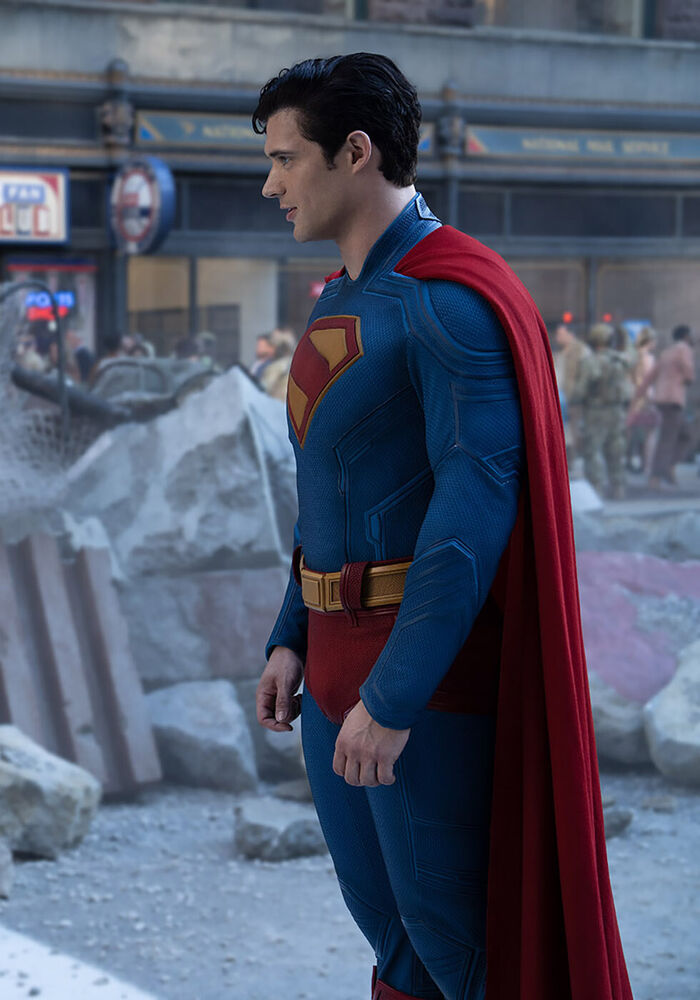
They say what goes up must come down. Superhero films have been on the ropes in recent years — since the dizzying, euphoric heights of Marvel Studios’ Avengers: Endgame and Infinity War, the second and seventh highest-grossing films of all time respectively, there has been a fairly sharp downturn in quality and ticket sales. Enter 2025’s Superman, a huge flag in the sand moment for the genre, and also the launch of a new chapter for DC under the helm of director James Gunn. Headliner speaks to veteran film composers John Murphy and David Fleming about writing the music for the latest iteration of the beloved character, tastefully using elements of the classic John Williams themes, and how Genelec monitors played a part.

For DC, the beloved comic book franchise responsible for not only creating Superman, but also Batman and Wonder Woman, it’s been a torrid time at the movies. Even when the superhero genre was dominating the big screen and Marvel’s Captain America, Iron Man, and Spider-Man characters were printing money, DC was not able to compete. Long gone are the days of Christopher Nolan’s acclaimed and successful Dark Knight trilogy — DC’s attempts to compete with the Marvel Cinematic Universe resulted in several box office bombs, and some of the franchise’s biggest releases like Batman v Superman, and its answer to Avengers, The Justice League, were both received negatively, the latter not even breaking even at the box office.

Hence why DC is hitting the hard reset button; Ben Affleck, Henry Cavill, Gal Gadot, and Jason Momoa appear to not be reprising their capes and roles, and their associated storylines are to be dropped. The man tasked with this relaunch is James Gunn, director of Marvel’s Guardians of the Galaxy trilogy, and The Suicide Squad, one of the few high notes in DC’s recent oeuvre.

Not only did he direct 2025’s Superman, but he is the co-CEO for all the DC films and shows moving forward, approving scripts and ensuring all the moving parts are cohesive and meet a new level of quality control. It’s a lot of trust to place in one man, but Superman has so far earned over $600 million worldwide and has been received very positively by both critics and audiences.

For the big task of breathing new musical life not only into the Man of Steel himself, but also this new opening salvo for DC, Gunn brought composers John Murphy and David Fleming on board. Having cut his teeth at Hans Zimmer’s Remote Control Studios in Los Angeles, Fleming is a very established name in film music thanks to his music for The Last of Us, Mr and Mrs Smith, and Damsel. Liverpudlian Murphy began his career in the UK, where his breakthroughs came in the form of Guy Ritchie’s Snatch and Danny Boyle’s 28 Days Later, the latter producing his greatly loved track In the House - In a Heartbeat. Having relocated to California as his career grew over 20 years ago, he recently began collaborating with James Gunn on The Suicide Squad for DC and then Guardians of the Galaxy Vol. 3, the director’s final outing with Marvel.
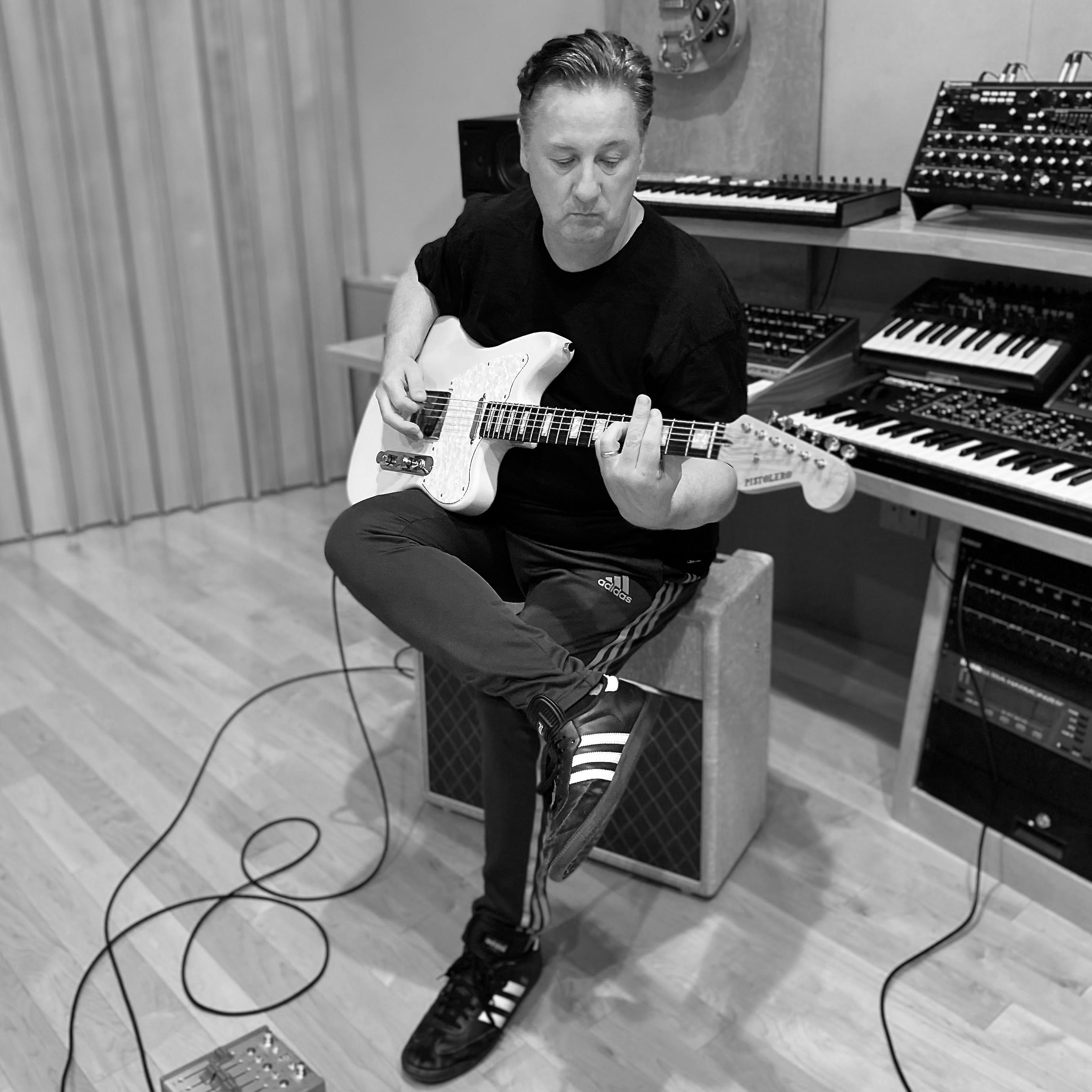
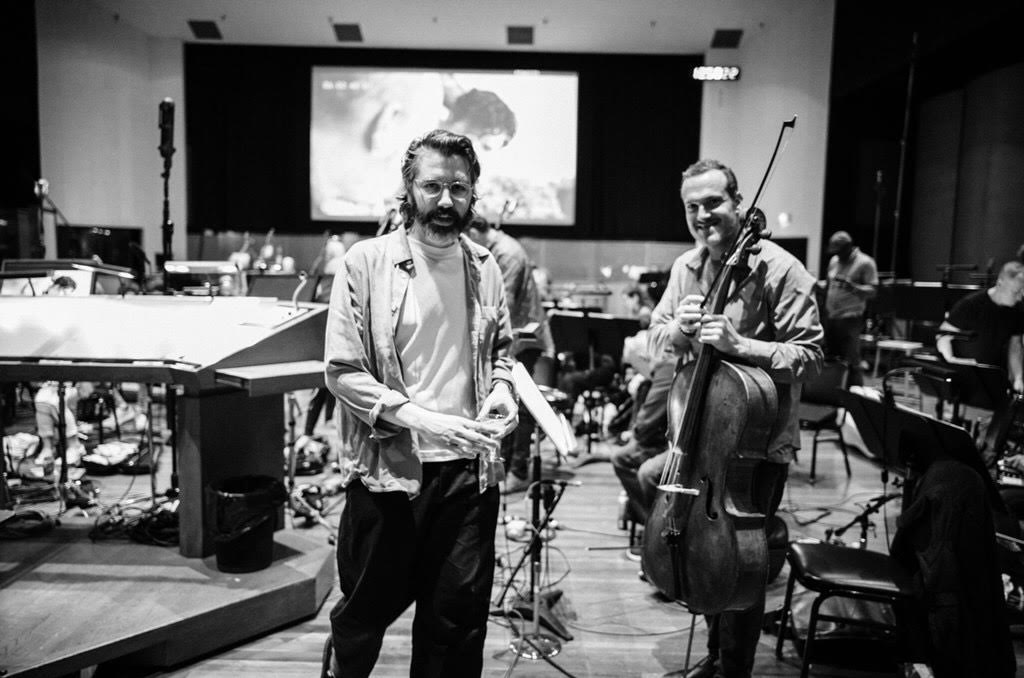
It’s like you’re handling something sacred, the holy grail for composers. But I wouldn’t have missed this opportunity for the world. John Murphy

“Within about five minutes of being in the room with a director, you either connect with them or you don't,” Murphy says of the first time he met Gunn. His scouse accent is still intact after all his time in the States. “When I realised that he'd been in bands and he was into punk, all of those things were just clicking for me. We talked about how we both love Ennio Morricone. It was one of those perfect meetings where it felt like you got to know somebody in 20 minutes. I knew his work — I knew he was a brave director. He doesn't do the obvious thing. There's nothing generic about him.”

Murphy, having twice collaborated with Gunn, was the first confirmed composer for Superman, and got to be in the wonderful position of being there from the very start of the film’s process and composing music that the filmmakers would edit the film to, as opposed to using temp music from another composer. As the enormous scope of the film became more apparent, this was when Fleming was brought in to add a second musical voice to the proceedings.

“I got involved in more of the second phase of the film,” New York-born Fleming says. “They had already gone off and shot the movie, and John had figured out a lot of things in the music. He'd done this great Jimi Hendrix-style guitar version of John Williams’ theme, a really beautiful theme for Clark and Lois, and a really cool theme for Lex [Luthor, Superman’s nemesis]. But it's Superman — it's huge in scope. There's going to be lots of music and lots of angles at which the character can be approached.

“I got involved to approach Superman from some new angles, including finding some new ways to work with the John Williams material. We kept the DNA of the John Williams theme, which James wanted to use and invoke, but never in a direct way. He never wanted to use the same orchestration. He was asking us to kind of create a cover version, something respectful and loving, while saying, ‘Let's not be a tribute band.’ Because it is an iconic gem of film music, as iconic as the design of the suit and the colours.”

It’s a fantastic creative decision by Gunn. Upon learning the original Williams thematic material would be used, some were understandably worried this was going to be yet another nostalgia-baiting film score, rather than taking the character in a much-needed new direction. The fear was that large passages of the Williams music from the 1978 Superman starring Christopher Reeve would be cheaply copied and pasted into this new film.

We kept the DNA of the John Williams theme, which James wanted to use and invoke, but never in a direct way. David Fleming

It’s a fantastic creative decision by Gunn. Upon learning the original Williams thematic material would be used, some were understandably worried this was going to be yet another nostalgia-baiting film score, rather than taking the character in a much-needed new direction. The fear was that large passages of the Williams music from the 1978 Superman starring Christopher Reeve would be cheaply copied and pasted into this new film.

Thankfully, they chose the latter. The strongest hint of the full theme is heard at the very outset of the movie. From then on, it's just Fleming and Murphy’s creative reworking. On Last Son, Fleming brings a brilliant, ambient take on Williams’ music, only needing the two notes from the climactic part of that beloved theme, while utilising modern production, electric guitar, and other elements. It’s music for a contemporary Superman, the score that David Corenswet’s performance as Clark Kent/Kal-El deserves.

In Murphy’s wonderful romantic theme, Lois and Clark, he similarly uses the unmistakable two notes that bring us right back to the Williams theme, but used in a way it’s never been heard before, as part of a slow-moving guitar, piano, and synth piece.

As Murphy says, “There were never any conversations about just copying it. John Williams has already given us this beautiful score; we have it already. The very early process of the movie was the most fun part, because I was trying out different ways of using the motif. And, of course, there was fear around it. I thought, ‘Am I going to composer hell for this? People are going to hate me, my career is over.’ It’s like you’re handling something sacred, the holy grail for composers. But I wouldn’t have missed this opportunity for the world.”

The other weight of pressure comes from the high stakes of the DC reboot. One of the criticisms of the Marvel Cinematic Universe is how fans have to watch every single film and spinoff show to catch every reference and cameo to keep up with what is going on. Headliner asks Murphy if he and Fleming had to bear in mind the upcoming DC schedule and introduce music for those projects.

Thankfully, he says, “When you're working with James, it's more about locking into his own sensibility. I didn't sit around going, ‘Oh my God, I've got to redefine superhero music, because this is a whole new DC launch.’ There's enough runway with James that you're going to be trying a lot of new things anyway. So I knew whatever we did was going to be an untypical superhero score. I didn't sit up at night worrying about it being this big DC launch, because when you're the composer, you can't really go there. There's always politics happening in the background of any big movie. But working on the movie itself and with James was enough of a big deal to forget about that other stuff. So I didn't really bother with worrying about whether we were setting up a new template for DC.”

All that said, there is so much more to this score than the utilisation of the 1978 theme, just as there is more to the film than Superman himself. For Nicholas Hoult’s menacing performance as Lex Luthor, with clear references to real-world billionaires, Murphy wrote a grungey synth and guitar meets full orchestra track with elements of dub in Luthercorp. For The Daily Planet, Fleming penned a fittingly upbeat, percussive orchestral piece to portray Metropolis’ bustling hub of journalism, and a bombastic, drum kit-led theme for side-characters The Justice Gang.

The characters in The Justice Gang are another great strength of the film — while previous gargantuan film franchises can exhaust audiences with needless cameos to set up a sequel or for over-the-top Easter Eggs, these characters, while providing some of the film’s funniest moments, never feel unnecessary or simply ticking boxes to keep executives happy.

“They're not just shoehorned in there,” Fleming agrees. “I actually think they're really important, because they're a great foil for Superman. Not in the same way that Lex is, but in the way that they're very cynical, they are corporate, and they have no true moral centre, as opposed to Superman. So for their music, I was leaning on some musical tropes that I usually purposely stay away from, like big rock tom drums in the context of an orchestra. I wanted it to be almost a self-aware superhero motif, as if they had requested that a focus group come up with music for them. Whereas James's view of Superman is much more sincere. I think these side characters, and even Lex, are doing two things: they're making James's universe more colourful. And they're also creating a dynamic with Superman at the centre — making him really distinct and unironic and allowing him to embrace the core character.”

In Murphy’s studio, a vital part of working on Superman was being able to hear all the detail, his love of bass and low-end, and being able to sell his ideas to Gunn and producers. Throughout his career, it’s always been Genelec monitors that have supported him in this regard.

“I think I’ve used all of them,” he says when asked which model monitors he’s used over the years. “I'm actually looking at four of them right now. I've had the 2029As, 8030As — I think in this room alone, there's eight of them. I've had Genelec all the way back to the beginning of doing movies. We tried KRKs at one point. I hated them. Even my daughter's studio, Molly's room, it's all Genelec. What I like about them is that they are very, very accurate, but they don't wear you down. We do long hours in this job sometimes, and I think having that little bit of softness to them in the high end, which isn’t shrill. For me, they're absolutely the best monitors to work with. We even have a Genelec sub, so actually we've got nine [Genelecs] in this room. It's like when you decide to support Liverpool or Everton, you're there for the rest of your life.”

I've had Genelec all the way back to the beginning of doing movies. John Murphy

He also finds they are crucial when pitching music and cues to the all-powerful film producers working on a movie. “When you crank them up, which you often need to do for producers, they sound a bit less flat than other speakers. They have a sweet, very high-fidelity sound. I’ve had other monitors that I liked because they were very accurate, but they got a bit hard when you cranked them up. Likewise, [Yamaha] NS-10s don't sound that good when they're pushed.

“What makes Genelec special is that they've got the accuracy you need, but they also sound great and high-fidelity when you crank them up to sell something to a room full of producers. I don't know of any other speaker that does that quite so well. I am just so used to them now; I hear Genelecs every day of my life, so it's been Genelecs all the way for me.

“The core monitoring system [for Superman] was Genelec The Ones - we have a beautiful white pair in here. We also used our Genelec subwoofer throughout, so we could see if we we're pushing the bass too far. I like to use a lot of bass in my work, and the Genelec sub always tells us where we are straight away. We've had that same sub for 12 years now, and it's never let us down.”

With the film finished, Murphy is going to take a well-earned break and visit his children, who are just starting university in Connecticut and New York. Fleming, on the other hand, reveals its full steam ahead.

“I can’t talk about anything I've got going on, but I do have two previous movies that are finally coming out. Americana (starring Sydney Sweeney and singer Halsey) is a Western that's going to come out in a couple of weeks, which I did all the way back in 2022. And I did this really beautiful romantic comedy for A24 called Eternity (starring Elizabeth Olsen and Miles Teller). It's an amazing little film that feels like a throwback to rom-coms that I loved during the ‘90s. I think everyone's going to love it.” 

As you are reading this, there might be a final handful of screenings of Superman as the Summer blockbuster season bows out, as the film becomes available digitally. Either way, Murphy and Fleming’s epic and creative score is out now, perfect for those days when you want to feel a bit more superhero and a little less Lex Luthor.