Subscribe
Music News

MSI Japan Holdings: The most powerful force is the one nobody notices

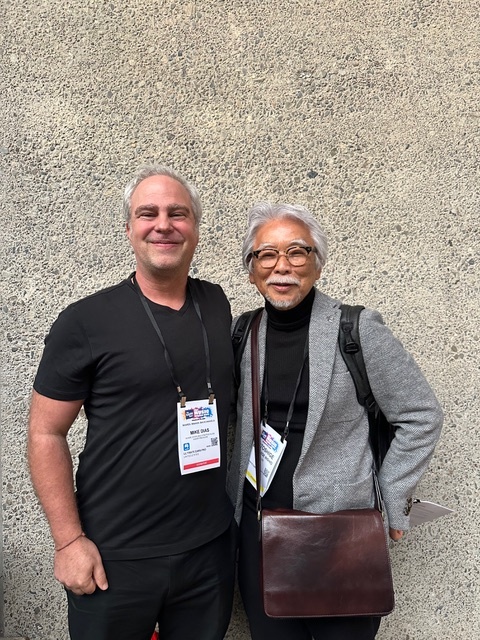
In his latest Headliner column, Mike Dias explores the hidden operating system beneath every great performance, and profiles Motoshige Nishio, COO of MSI Japan Holdings – an institution that has been doing the “invisible work” across Asia for nearly 50 years.

Think about the last time a performance stopped you cold. Not the lights. Not the production. Not even the song. The moment when something moved through you without asking permission. When the distance between the stage and your chest collapsed completely, and something true arrived, and you felt it before you understood it. You were not watching a show. You were inside a transfer. And almost nothing about what just happened to you was accidental.

THE SHOW YOU'RE WATCHING IS NOT THE REAL SHOW

Every seat in every arena on earth participates in the same illusion. The audience believes the show is what's happening on stage — the lights, the production value, the performers themselves. The visible mastery was spectacular for one night. And they are right. But only about the smallest part of what is actually happening. Because attending a show is not about watching. It is about receiving.

Everything the performers have ever practised, every hour of rehearsal nobody watched, every failure absorbed in private, every standard held when no one was keeping score — all of it compressed into muscle memory so deep it no longer requires thought. The body knows. The voice knows. The hands know. Decades of dedication made invisible so that tonight, in this room, with these people, the only thing that remains is pure signal.

The stage is transmitting. In the seats, the audience arrives carrying everything they have ever felt. Every memory this music holds. Every version of themselves that existed when this song first found them. They did not come to watch a performance. They came to feel confirmed. To have something true about themselves reflected back with enough force to be undeniable.

Performer and audience. Signal and receiver. Two forces in the same room. But two forces alone produce nothing repeatable. Nothing can happen the same way tomorrow night in a different city for different people who arrived carrying different things. 

For that, you need the third force: the invisible infrastructure that holds the space, focuses the energy, and creates the precise conditions for the transfer to occur. Without it, there is no show. There is only a moment. Random. Unrepeatable. Gone.

And the most extraordinary thing about the infrastructure that makes the greatest shows on earth possible? Nobody in the audience knows it exists. Nobody knows because this is all invisible by design — the hidden scaffolding that supports the illusion.

In times of peace, never forget the era of turmoil.

In my typical profiles, I focus on one aspect of that scaffolding. A world-class monitor engineer. A FOH legend. A senior-level producer for concert livestreams. Each one is a single thread pulled from the infrastructure — and in that single thread, enough business doctrine to rewrite how any executive thinks about pressure, trust, and performance. 

But this profile is different. This time, I was given access to the architect of an entire system — the person who didn't just operate inside the infrastructure but built it, sustained it, and turned its principles inward to run his institution itself with the same invisible precision that makes the greatest shows on earth feel effortless.

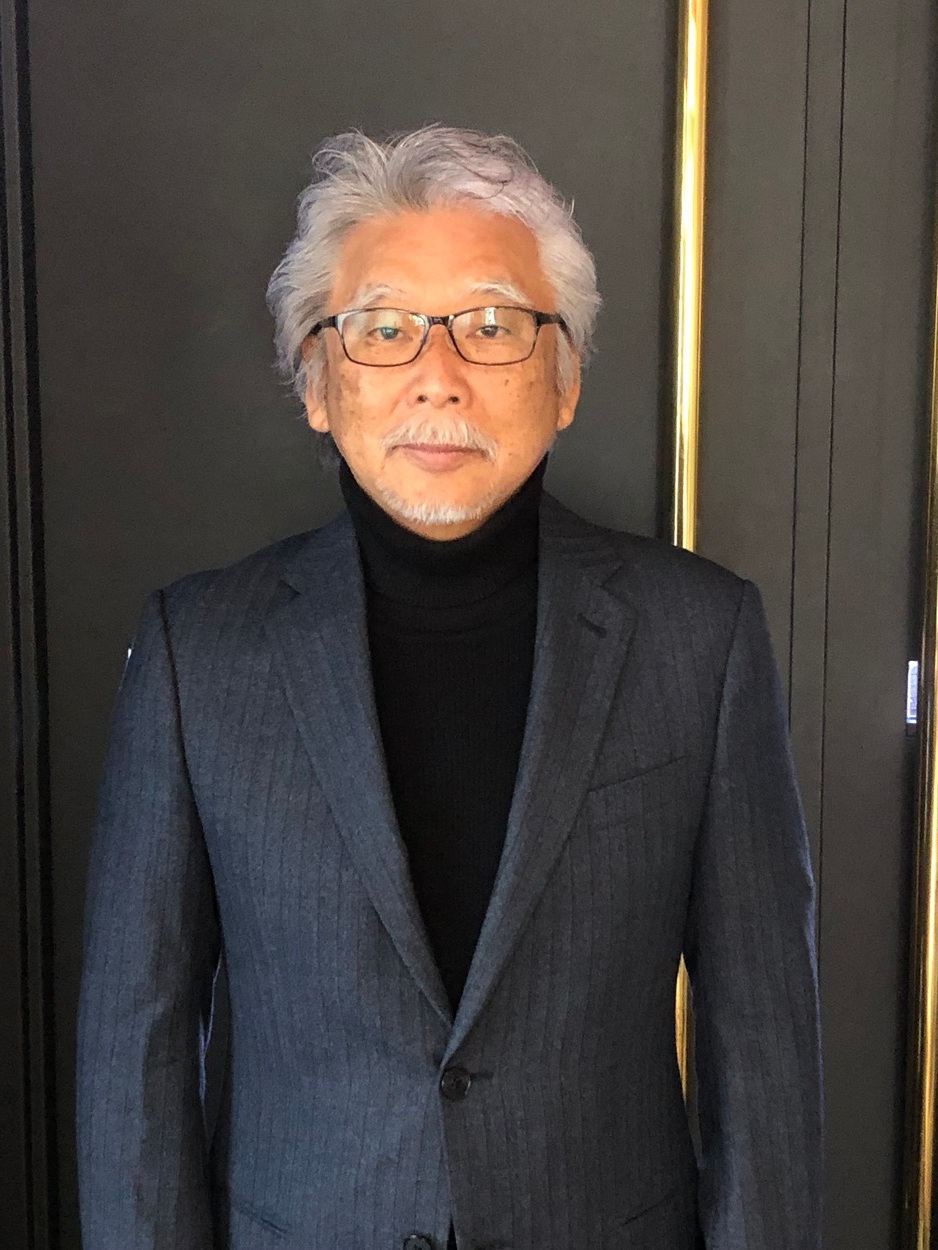
What follows are lessons from a conversation with Motoshige Nishio, COO of MSI Japan Holdings, the organisation that has been providing that invisible third force behind Asia's greatest stages since 1977. Not a profile of a company. 

Not a retrospective of shows produced or artists served. But instead, a masterclass on what happens when the principles that make a perfect transfer possible — on stage, every night, across language and culture and every variable a continent can produce — are applied to the building of an institution itself. This is infrastructure, turned inward. For fifty years. Quietly. Invisibly.

What follows is not a list of leadership principles. It is a single principle — expressed across five decades, five disciplines, and five Japanese concepts that don't fully survive translation. Because the deepest truths rarely do. Read them not as lessons to be applied. Read them as frequencies to be felt. The same way you feel a show before you understand it.

道半ば — THE ROAD IS LONG AND WE ARE STILL ON IT

In 1977, Motoshige Nishio joined a small operation in Osaka called LIVE SOUND MOB. What they lacked in resources, they made up for in the clarity of a single shared vision — not just to work with local bands, but to support musicians and artists capable of touring nationwide. To play on the biggest stages in Japan. To think beyond the city they were standing in. From the beginning, the dream was larger than the means.

Nishio-San joined as a sales representative. Four months later, through an acquaintance's introduction, he made his first sales visit in Tokyo and secured a domestic tour contract for an artist. That is how MSI Japan began.

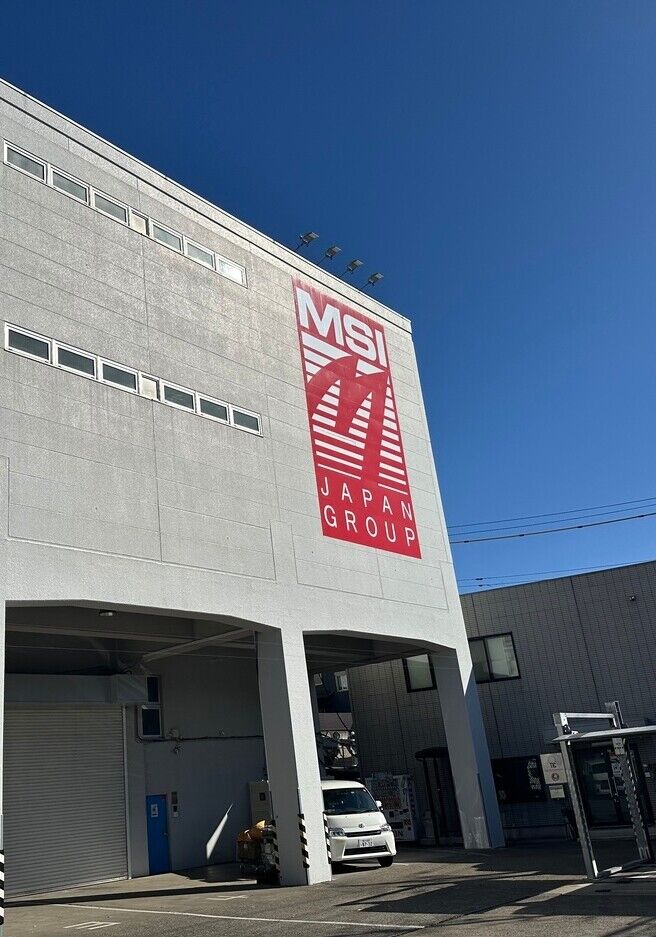
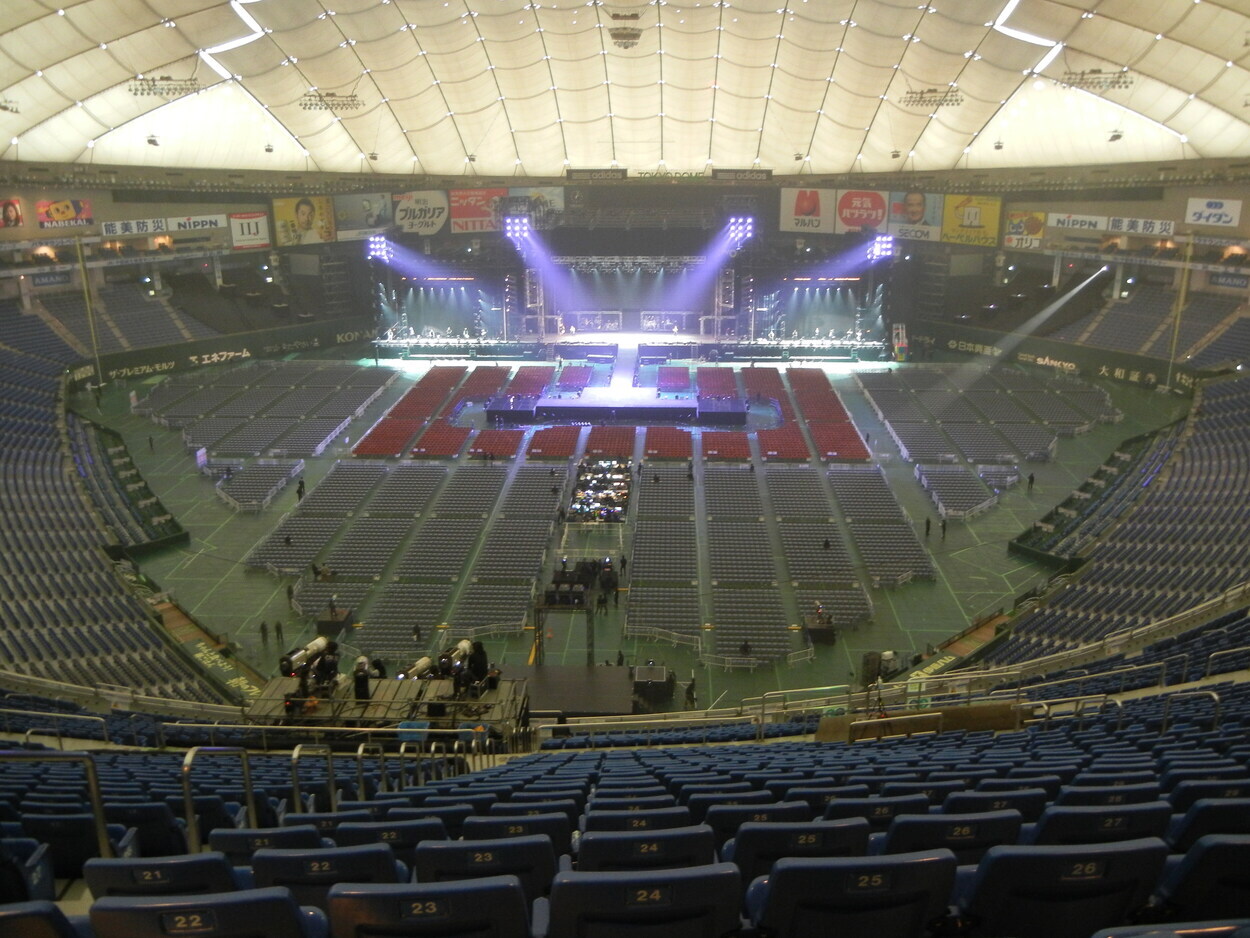
Nearly 50 years later, MSI Japan Holdings operates across Tokyo, Osaka, Hong Kong, Taiwan, Beijing, and the United States. Their engineers have held Whitney Houston at Fukuoka Dome. David Bowie's Japan tours ran through their infrastructure. TVXQ performed at Tokyo Dome in 2012 in what became the first concert in that venue's history without delay speakers — a technical achievement that required both the vision to attempt it and the precision to deliver it live, in front of tens of thousands, without a second chance. Andy Lau. G.E.M. Jolin Tsai. Masaharu Fukuyama. 

And upon request from Eighth Day Sound, equipment support for Madonna, Lady Gaga, Taylor Swift, and Eminem. Decades of the most important rooms on the continent, running on MSI Japan's equipment, MSI Japan's engineers, and MSI Japan's relationships. Yet their name appears on almost none of it. And when I asked Nishio-San to describe where MSI Japan stands today — after all of this — he used two words.

Michi Nakaba, which means the road is long, and we are still on it. Halfway there. The journey is not yet complete. This is not false modesty. This is the honest assessment of a man who has chosen the work over the arrival. Who has never confused the harvest with the end of the work? Who measures progress not in destinations reached but in standards maintained — and who understands, with the certainty that only comes from fifty years of proof, that the moment you believe you have arrived is the moment the standard begins to drift.

なすべきことをなす — EXECUTE WHAT MUST BE DONE

There is a question every leader eventually faces. Not in a boardroom. Not in a strategic planning session. In the moment when everything is uncertain, when the variables are beyond counting, when the pressure is real, and the outcome is public, and the people around you are watching to see what you do next. What do you do?

Nishio-San's answer comes from a tradition older than any management framework ever written. 治にいて乱を忘れず。”In times of peace, never forget the era of turmoil”. Prepare in peace for the chaos that will come. Build the systems, develop the people, hold the standard — not because the pressure is here yet, but because it is always coming. And when it arrives, do not be swept into it. Do not be shaken by it. Do not let it change what must be done.

When I asked Nishio-San what this means in practice, he was precise: "No matter what situation arises, if a leader maintains the composure to calmly execute what must be done without being shaken, everyone will follow suit."

This is the law that every great stage manager, every world-class FOH engineer, every tour manager who has ever held a production together under impossible conditions already knows in their bones. The leader's composure is not a personality trait. It is a signal. It tells every person in the room whether the infrastructure is holding or collapsing. Whether the system was built for this moment or is being improvised in real time. When the leader holds, the system holds. When the system holds, the transfer happens.

なすべきことをなす. Execute what must be done. Not what is visible. Not what earns recognition. Not what feels significant in the moment. But what must be done. Nishio-San calls this the essence of leadership. Not a strategy. Not vision. Not charisma. Not disruption. The irreducible minimum. Applied without drama. Every time. Under any conditions.

No matter what situation arises, if a leader maintains the composure to calmly execute what must be done without being shaken, everyone will follow suit.

人は育てるものではなく、育つものである — PEOPLE ARE NOT DEVELOPED. THEY GROW

Ask most companies how they build great teams, and they will show you a training programme. A competency framework. An onboarding curriculum. A leadership pipeline with milestones, metrics, and quarterly check-ins. Ask Nishio-San, and he will give you a law. "People aren't developed. They grow."

The distinction is not semantic. It is architectural. Development implies something done to a person from the outside. A process applied. A standard was installed. A curriculum delivered until the box is checked and the person is deemed ready. It positions the organisation as the active force and the person as the recipient — shaped, moulded, produced.

Growth implies something that happens inside a person when the conditions are correct. It cannot be scheduled. It cannot be mandated. It cannot be measured in a quarterly review. It can only be enabled by building an environment so clear in its standard, so consistent in its expectation, so honest in its feedback that the person inside it has no choice but to become capable of holding what the work requires.

The leader's job is not to develop people. The leader's job is to build the conditions where growth is the only logical outcome of showing up. Before formal employment, MSI Japan takes time with every candidate and lets them experience actual work. Trial and error. No title. No permanence. Just the real conditions, the real standard, the real system — and the honest answer that arrives about whether this person can hold what the work requires.

The environment is not adjusted for the person. The person grows into the environment. Nishio-San does not pretend this is simple. "Balancing individual excellence and collective responsibility — that's difficult. Balancing individual interests and organisational interests — this is similarly challenging."

He says it plainly. Without resolution. Because the tension is not a problem to be solved. It is the condition that keeps the standard alive.

Nishio-San extends this further: "Even if we build an organisation capable of handling 1,000 artist performances, without the skills to execute it or the supporting systems, neither the employees, the company, nor the organisation can achieve stability." And then he makes it concrete in the way only someone who has lived it can: "Work only functions when people are in place at every stage — those preparing equipment, staff coordinators, and so on."

Not the stars. Not the headliners. Everyone. Every role. Every person whose name never appears on the poster, but without whom the poster means nothing.

コツコツ — THE WORK THAT NOBODY WATCHES

There is a sound in Japanese — コツコツ — that has no clean English translation. It is the sound of steady, persistent, unglamorous effort. The drip of water on stone. The daily practice that produces no visible result today and no visible result tomorrow, and then one day — after years of invisible accumulation — produces everything. Western business culture is allergic to コツコツ. It wants the breakthrough. The pivot. The disruption. The moment the graph bends upward. It celebrates velocity over depth, the announcement over the work that made the announcement possible, the visible heroic act over the invisible daily standard. The stage has never had this problem. 

Because the stage is binary. The transfer either happens or it doesn't. The audience either feels it or they don't. You either killed. Or were murdered. And no amount of announcement, branding, or strategic narrative changes what occurs in the three seconds after the lights go down. コツコツ is the only preparation that matters. So of course, when I asked Nishio-San what creates MSI Japan's environment of trust — what practices, what philosophies, what systems — he answered without hesitation. "Sincerely and earnestly. Steadily putting in the work. If we keep コツコツ, various opportunities should come our way."

No framework. No methodology. No competitive differentiation strategy. The work. Done fully. Done sincerely. Without performance. Without scorekeeping. Without waiting for recognition, that was never the point.

And here is where Nishio-San's コツコツ becomes something most leaders will never attempt. Every morning since January 16, 2016 — without a single exception — he has sent his entire staff a passage from a book that moved him in his private reading. Not a corporate directive. Not a performance update. Not a motivational quote harvested from the internet. A few sentences that reached him personally were forwarded without an agenda to every person in the organisation. That is more than 3,200 consecutive mornings. One morning at a time.

実るほど頭を下げる稲穂かな — THE RICE PLANT BENDS LOW AS IT RIPENS

There is a proverb that Nishio-San's father gave him when he was a child. 実るほど頭を下げる稲穂かな。The heavier the grain, the lower the stalk bows. In Japanese agricultural tradition, this is literal. The rice plant that carries the most — the one that has grown the fullest, produced the heaviest harvest, fulfilled its entire purpose — is the one that bends lowest to the earth. Not from weakness. From the weight of what it has become.

Nishio-San has carried this proverb for a lifetime. It now lives — unnamed, unposted, unannounced — inside the culture of an institution that has been doing the invisible work for nearly 50 years. And when I asked about humility — about its role in MSI Japan's culture — he didn't reach for a framework. He didn't offer a leadership principle. He offered the image his father gave him. And then he added this:

"Without humility, arrogance takes root. You start asserting yourself, saying 'I, I, I.' I believe the moment you get carried away is the most dangerous." Not the moment of failure. Not the moment of crisis. Not the moment when the system is under pressure, and the transfer is at risk, and everyone is watching to see if the infrastructure holds. The moment of success. The moment the work has produced something undeniable and the temptation arrives — quiet, reasonable, entirely human — to believe that you have arrived.

That is the most dangerous moment. Because the rice plant that stops bending has stopped growing. The leader who stops bowing has started believing the harvest is the destination rather than the proof that the journey continues. 道半ば. The performer is still transmitting. The audience is still receiving. The infrastructure is still invisible. The show is still happening. Nobody notices. Everybody feels.

最も強力な力は、誰も気づかない力である

エンターテインメント界が常に悟っていたこと——パフォーマンス、インフラ、そして唯一真に継承される卓越性について

最新のHeadlinerコラムで、マイク・ディアスは**あらゆる偉大なパフォーマンスの裏に  ある「見えないオペレーティングシステム」**を探り、

約50年にわたりアジアでそれを実践し続けてきたある組織を紹介しています。

最後に、あなたが思わず息をのんだパフォーマンスを思い出してみてください。

照明でもなく、演出でもなく、ましてや曲そのものでもありません。

それは、あなたの意志に関係なく何かがあなたの中を突き抜けた瞬間です。
ステージとあなたとの距離が完全に消え、

本物の何かが届き、頭で理解する前にまず感じてしまった瞬間

そのときあなたは、ショーを見ていたのではありません。
あなたは「伝達(トランスファー)」の中にいたのです。

そして、その一瞬のほとんどは、決して偶然起こったことではありません。

あなたが目で見ているショーは、本当のショーではない

地球上のすべてのアリーナの、観客は、同じ幻想をいだいています。

観客は、ショーとはステージ上で起きていることだと信じています。
照明、演出の豪華さ、そしてパフォーマーそのもの。一夜のために壮大に作られた、目に見える熟練の技。それは間違いではありません。
ただし、それは実際に起きていることの中では、ほんの小さな部分にすぎません。

なぜなら、ショーを見に行くということは、“見る”ことではなく、“受け取る”ことだからです。

パフォーマーがこれまでに積み重ねてきた練習。誰にも見られる事のない何時間ものリハーサル。人知れず受け止めてきた数々の失敗。誰にも評価されない時でも守り続けてきた高い基準。それらすべてが、考えなくてもよいほど深い筋肉の記憶の中へと凝縮されています。

体は知っている。声は知っている。手は知っている。何十年もの献身が目に見えない形となり、そしてステージ当日、この場所で、観客ともに残るものは、ただ一つ。純粋なシグナルだけなのです。

ステージは、何かを発信している。

客席にいる観客は、これまで自分が感じてきたすべての感情を抱えてその場にやって来ます。
この音楽に結びつくすべての記憶。この曲を初めて聴いたときに存在していた、自分という存在のさまざまな姿。彼らは、ただパフォーマンスを見に来たのではありません。
彼らは、自分の感情が確かであると感じるために来たのです。自分の中にある本当の何かを、
否定できないほどの強さで、もう一度真の自分自身と向き合うために。

パフォーマーと観客。発信者と受信者。同じ空間に存在する二つの力。

しかし、二つの力だけでは再現可能なものは生まれません。受け継がれていくものも生まれません。そして、明日の夜、別の都市で、別の人々が、それぞれ異なる人生や感情を抱えてやって来たときに、同じ形で起こるとは限りません。

そのために必要なのが、第三の力です。それは、空間を支え、エネルギーを集中させ、そして「伝達(トランスファー)」が起こるための正確な条件を生み出す、目には見えないインフラなのです。

それがなければ、ショーは成立しない。

あるのはただ一瞬だけ。偶然に起こり、その日限りで、そして消えていく。

そして、世界最高のショーを実現させているインフラストラクチャーについて、最も驚くべきことは何か?

観客の誰一人として、それが存在していることを知らないということだ。

誰も知らない。なぜなら、それは意図的に見えないように作られているからだ。
幻想を支える、隠された足場のような存在だからである。

私が普段書く人物紹介では、その足場のある一部分に焦点を当てる。世界トップクラスのモニターエンジニア。伝説的なFOHエンジニア。コンサートのライブストリーミングを統括するシニアプロデューサー。それぞれは、この巨大なインフラから引き出された一本の糸のようなものだ。しかし、その一本の糸の中にも、プレッシャー、信頼、そしてパフォーマンスについて、どんな経営者の考え方さえ書き換えてしまうほどのビジネスの原則が詰まっている。

だが、今回ご紹介する人物は少し違います。

今回は、そのシステム全体を設計した人物にアクセスする機会を得た。インフラの中で働くだけの人ではなく、それを築き、維持し、そしてその原則を自らの組織運営にも起用している人物だ。地上最高のショーを、まるで何の苦労もないかのように成立させる――
あの“見えない精密さ”と同じ精度で、自らの組織そのものを動かしているのである。

これから紹介するのは、西尾元成(MSI Japan Holdings COO)との対話から得た教訓である。MSI Japan Holdingsは、1977年以来、アジアの最高峰のステージの背後で“見えない第三の力”を提供してきた組織だ。これは企業のプロフィールではないし、制作してきたショーや関わってきたアーティストの回顧録でもない。

むしろこれは、完璧な“トランスファー(伝達)”を成立させる原則――
舞台の上で、毎晩、言語や文化、そして大陸規模で生まれるあらゆる変数を越えて成立しているその原則――その原則を、組織そのものを築くことに応用したとき、何が起こるのかを示す
一種の「マスタークラス」である。

これは、内側へと向けられたインフラストラクチャーである。50年にわたり。静かに。目に見えない形で。

これから語られるのは、リーダーシップの原則を並べたリストではない。それはただ一つの原則であり、それが50年という歳月、5つの分野、そして完全には翻訳しきれない5つの日本の概念を通して表現されている。なぜなら、最も深い真実というものは、たいてい完全には翻訳できないものだからだ。

これを「適用すべき教訓」として読むのではなく、「感じ取るべき周波数」として読んでほしい。それは、ショーを理解する前に、まず“感じる”のと同じように。

道半ば — THE ROAD IS LONG AND WE ARE STILL ON IT

1977年、西尾元成は大阪にあった小さな会社 LIVE SOUND MOB に入社した。資金や機材は決して十分ではなかった。しかし彼らには、それを補って余りある、ひとつの明確な共有ビジョンがあった。それは単に地元のバンドと仕事をすることではなく全国ツアーができるミュージシャンやアーティストを支えること。日本で最も大きなステージに立つこと。
そして、自分たちが今立っているこの街の先を見据えて考えることだった。

駆け出しの頃から手元にある資源よりも大きい夢があった。

西尾さんは、営業担当として入社し、入社からわずか4か月後、知人の紹介を通じて初めて東京での営業訪問を行い、あるアーティストの国内ツアー契約を獲得した。

こうして、MSI Japanは始まったのである。

ほぼ50年を経た現在、MSI Japan Holdingsは、東京、大阪、香港、台湾、北京、そしてアメリカに拠点を持ち、事業を展開している。同社のエンジニアは、福岡ドームでWhitney Houstonを支え、David Bowieの日本ツアーも彼らのインフラを通して行われた。2012年にはTVXQ(東方神起)が東京ドームで、会場史上初となるディレイスピーカーなしのコンサートを実施。これは挑戦するビジョンと、数万人の観客の前で一度きりの本番でそれを完遂する精密さの両方を必要とした技術的偉業である。Andy Lau、G.E.M.、Jolin Tsai、Masaharu Fukuyama……大陸で最も重要なステージの数々が、MSI Japanの機材、エンジニア、そして築き上げた関係性によって支えられてきたのだ。

しかし、その名が表に出ることはほとんどない。

そして、これだけの実績を経た今のMSI Japanの立ち位置を、西尾さんに尋ねたところ、返ってきた言葉はたった二語だった。

道半ば。

道半ば — Michi nakaba とは「道は長く、まだ歩みの途中にある」という意味だ。半分まで来たに過ぎない。旅はまだ終わっていない。

これは偽りの謙遜ではない。到達よりも、仕事そのものを選び続けてきた男の、正直な自己評価である。彼は、収穫を仕事の終わりと混同したことはない。進捗を、到達した目的地ではなく、維持される基準で測る。そして50年にわたる実績が教える確信をもって理解している――
「自分はもう到達した」と思った瞬間こそ、基準が揺らぎ始める瞬間なのだ、と。

なすべきことをなす — EXECUTE WHAT MUST BE DONE

すべてのリーダーがいずれ直面する問いがある。それは会議室の中でも、戦略会議の場でもない。すべてが不確実で、変数が数えきれず、プレッシャーが現実で、結果が公に晒され、周囲の人々が次に自分が何をするかを見ている――そんな瞬間に訪れる問いである。

あなたは、どうするか?

西尾さんの答えは、これまでに書かれたどんなマネジメント理論よりも古い伝統に基づいている。

治にいて乱を忘れず

平時にあっても、決して乱世のことを忘れてはならない。

平和な時にこそ、やがて訪れる混乱に備えるのだ。システムを築き、人を育て、基準を守る――そのプレッシャーがまだ目の前にあるからではない。常に訪れるものだからである。そしてその混乱が現れたとき――流されてはいけない。揺さぶられてはいけない。なすべきことを変えてはいけない。

私が西尾さんに、これを実際にどうするか尋ねたところ、彼は正確に答えた。

「どんな状況になろうとも、リーダーが揺るがず冷静に、なすべきことを実行する姿勢を保てば、周囲の人間も同じように従う。」

これは、どの偉大なステージマネージャーも、世界トップクラスのFOHエンジニアも、極限の条件下でツアーを取りまとめてきたツアーマネージャーも、骨の髄まで理解している法則である。リーダーの冷静さは、単なる性格の特徴ではない。それは信号である。部屋にいるすべての人に、インフラが維持されているのか崩壊しているのか、このシステムがこの瞬間のために備えてきたのか、それともリアルタイムで即興で作られているのかを示す信号である。

リーダーが持ちこたえれば、システムは持ちこたえる。システムが持ちこたえれば、トランスファーは成功する。

なすべきことをなす

目に見えることをやるのではない。称賛を得られることをやるのでもない。その瞬間に意義深く感じることをやるのでもない。やるべきことをやるのだ。

西尾さんは、これをリーダーシップの本質と呼ぶ。戦略でも、ビジョンでも、カリスマでも、革新でもない。削ぎ落とせない最小限の本質である。

感情的にならずに、条件を問わず、いつでも実行すること――それがリーダーシップなのだ。

人は育てるものではなく、育つものである — PEOPLE ARE NOT DEVELOPED. THEY GROW.

多くの企業に「どうやって優れたチームを作るか」と尋ねると、トレーニングプログラムを見せてくれるだろう。能力フレームワーク。入社後のトレーニング。マイルストーンや指標、四半期ごとのチェックインが組み込まれたリーダーシップパイプライン。

しかし西尾さんに尋ねると、答えは“法則”になる。

「人は育てられるのではない。人は育つのだ。」

この違いは単なる言葉遊びではない。
建築的な原則の違いである。

「育成(Development)」とは、外側から人に何かを施すことを意味する。プロセスを適用し、基準を設定し、カリキュラムを実施し、チェックボックスを埋めてその人が準備できたと判断すること。組織が能動的な力として働き、人は受け手として扱われる――形作られ、鍛えられ、生産される対象として。

一方、「成長(Growth)」とは、人の内側で条件が整ったときに自然に起こるものだ。スケジュール化することはできない。義務化することもできない。四半期レビューで測定することもできない。成長を促すことができるのは、環境を整えることだけである――
基準が明確で、求められるものが一貫しており、フィードバックが正直である環境を築くことで、そこにいる人は否応なく、その仕事に必要な力が身に着くこととなる。

リーダーの仕事は、人を育てることではない。リーダーの仕事は、成長が「参加することの唯一の論理的な結果」となる環境を築くことだ。

正式な雇用の前に、MSI Japanは候補者ひとりひとりと時間をかける。実際の仕事を体験させ、試行錯誤させる。肩書きも、永続性もない。ただ、本物の環境、本物の基準、本物のシステム――そして、その人が仕事をこなしていくための適性があるかどうかの結果が自然に導き出される。

環境は個人に合わせて調整されるのではない。人はその環境に順応し、成長していくのである。

西尾さんは、これが簡単だと装ったりはしない。「個人の卓越性と集団としての責任のバランスを取る――これは難しい。個人の利益と組織の利益のバランスを取る――これも同じくらい困難だ。」

彼は率直にそう語る。解決策を示すことなく。なぜなら、この困難な状況こそが、基準を生きたものとして保つ条件だからだ。

さらに西尾さんはこう続ける。「たとえ1,000人のアーティストの公演対応が可能な組織を作ったとしても、それを実行するスキルや支えるシステムがなければ、従業員も会社も組織も、安定を達成することはできない。」

そして彼は、それを実際に経験してきた者にしかできない形で具体的に示す。「仕事は、すべての段階で人が適切に配置されているときにのみ機能する――機材を準備する人も、スタッフコーディネーターも、そうしたすべての人々が必要だ。」

主役でもない。花形パフォーマーでもない。すべての役割、すべての人々だ。
ポスターに名前が載らない人々も含め、彼らなしではそのポスターは意味を成さない。

コツコツ— THE WORK THAT NOBODY WATCHES

日本語には コツコツ という音(言葉)がある。英語では一言では翻訳できない言葉だ。

それは、地道で、粘り強く、華やかさのない努力の音である。たとえば、石に滴る水の音。
今日も目に見える成果はなく、明日も成果は見えない、しかし日々の練習や積み重ねが、ある日――何年もの目に見えない蓄積の後――すべてを生み出す。

西洋のビジネス文化は、この コツコツ に苦手意識がある。

西洋文化は、劇的変化を求める。ピボット(方向転換)を求める。破壊的変革を求める。グラフが一気に上向く瞬間を求める。速度を深さより重んじ、結果発表を、それを可能にした仕事より重んじ、目に見える英雄的行為を、目に見えない日々の基準より重んじる。

しかし、舞台はこの問題を抱えたことはない。

舞台は二元的だからだ。トランスファーは起こるか、起こらないか。観客はそれを感じるか、感じないか。成功するか、惨敗するか。そして、照明が落ちたあとのわずか三秒で起こることは、いかなる発表、ブランディング、戦略的な物語でも変えられない。

コツコツ こそ、唯一意味のある対策である。

だから当然のことながら、私が西尾さんに「MSI Japanの信頼の環境はどう作られるのか――どんな実践、哲学、システムなのか」と尋ねたとき、彼は迷うことなく答えた。

「誠実に、真摯に。コツコツと仕事を積み重ねることだ。コツコツを続けていれば、自然にさまざまな機会がやってくるはずだ。」

フレームワークも、メソッドも、競争優位戦略もない。あるのは、ただ仕事。完全に、誠実に行う仕事。パフォーマンスのためではなく、得点のためでもなく、評価を待つためでもない――評価はそもそも目的ではなかったのだから。

日々の積み重ね。完全に。誠実に。パフォーマンスのためではなく、得点のためでもなく、評価を待つためでもない――評価はそもそも目的ではなかったのだから。

そしてここで、西尾さんの コツコツ は、多くのリーダーが決して試みないレベルに達する。

2016年1月16日以降、1日も欠かすことなく、毎朝、彼は自身の全スタッフに、自分のプライベート読書で心を動かされた一節を送っている。会社の指示でもなければ、業績報告でもなく、ネットで拾ったモチベーションの名言でもない。彼自身の心に届いた数行の文章を、個人的な意図を添えず、組織のすべての人に転送するのだ。その配信は、3,200日以上に及ぶ。
一朝ずつ、積み重ねられた成果である。

実るほど頭を下げる稲穂かな — THE RICE PLANT BENDS LOW AS IT RIPENS

西尾さんの父親が、彼が子どもの頃に教えてくれたことわざがある。

「実るほど頭を下げる稲穂かな」

粒が重くなるほど、茎は低く頭を垂れる。

日本の農業の伝統では、これは文字通りである。最も実をつけ、最も充実し、最も重い収穫を生み出し、目的を完全に果たした稲穂こそが、最も低く地面に身をかがめる。弱さからではなく、自らが成し遂げた重みのために。

西尾さんは、このことわざをずっと心に抱いてきた。そして今、このことわざは名前もなく、掲示されることもなく、告知されることもなく――ほぼ50年間、見えない仕事を続けてきた組織文化の中で生き続けている。

そして私が謙虚さ――MSI Japanの文化における謙虚さの役割――について尋ねたとき、彼はフレームワークを取り出さなかった。リーダーシップの原則を示すこともなかった。父親が与えてくれた「イメージ」を語ったのだ。そしてこう付け加えた。

「謙虚さがなければ、傲慢が根を張る。『私、私、私』と自己主張を始める。自分が舞い上がる瞬間こそ、最も危険だと思う。」

失敗の瞬間ではない。危機の瞬間でもない。システムが圧力にさらされ、トランスファーが危うくなり、全員がインフラが保たれるか見守っている瞬間でもない。

それは、成功の瞬間である。仕事が否定しようのない成果を生み出し、誘惑がやってくる――静かで、合理的で、まったく人間的な――「自分はもう到達したのだ」と信じたくなる瞬間である。

それが最も危険な瞬間だ。

なぜなら、頭を下げるのをやめた稲穂は、成長を止めたことになるからだ。頭を垂れるのをやめたリーダーは、収穫を旅の証明ではなく目的地そのものだと信じ始めてしまうのだ。

道半ば

パフォーマーはまだ伝えている。観客はまだ受け取っている。インフラはまだ見えないままだ。

ショーは、まだ続いている。

誰も気づかない。しかし、誰もが感じている。

西尾元成について

西尾元成は、MSI Japan HoldingsのCOOである。
同社は日本、香港、台湾、北京、そしてアメリカで、ほぼ50年にわたりライブプロダクションを手がけてきた組織である。西尾は1977年から、この「見えない仕事」を続けている。

著者について

Mike Diasは、プレッシャー、パフォーマンス、そしてRelationship Economy(関係経済)について執筆・講演を行っている。彼は、世界トップクラスのエンターテイナーたちが無意識に使うオペレーティングシステムを、実際に機能するリーダーシップのフレームワークへと変換 する。彼の視点が明確に示すのは一つのことだ。信頼が前提条件であり、フレームワークは実践であり、経験が成果であるということ。


ABOUT MOTOSHIGE NISHIO

Motoshige Nishio is the COO of MSI Japan Holdings — the organisation behind nearly fifty years of live production across Japan, Hong Kong, Taiwan, Beijing, and the United States. He has been doing the invisible work since 1977.

Mike Dias writes and speaks about pressure, performance, and the Relationship Economy – translating the hidden operating systems of world-class entertainers into leadership frameworks that actually work. His lens makes one thing clear: trust is the condition, translation is the act, and experience is the outcome.