
Subscribe
Broadcast

Production sound mixer David Rit relies on Lectrosonics for The Three Musketeers

David Rit captured the audio for France’s recent blockbusters - The Three Musketeers saga and The Count of Monte Cristo - using Lectrosonics technology.

Throughout shooting, Rit relied on a Lectrosonics wireless kit featuring DSR4 and DSQD four-channel digital receivers, DPR-A plug-on transmitters, SSMDigitak Hybrid Wireless micro transmitters, and DCHT digital stereo portable transmitters.

“Sound engineering was initially a way to combine my passion for music with my scientific studies,” said Rit. “But it wasn’t until I was studying at the Louis Lumière School (also known as the Vaugirard School) that I truly discovered sound for film, which I then pursued.”

After graduating in 1994, Rit spent years honing his craft as a boom operator, working alongside names such as director Bertrand Tavernier. Transitioning fully to mixing in 2010, he has since joined the sound department for productions including Eiffel, Gainsbourg: A Heroic Life, and the TV series Carême.
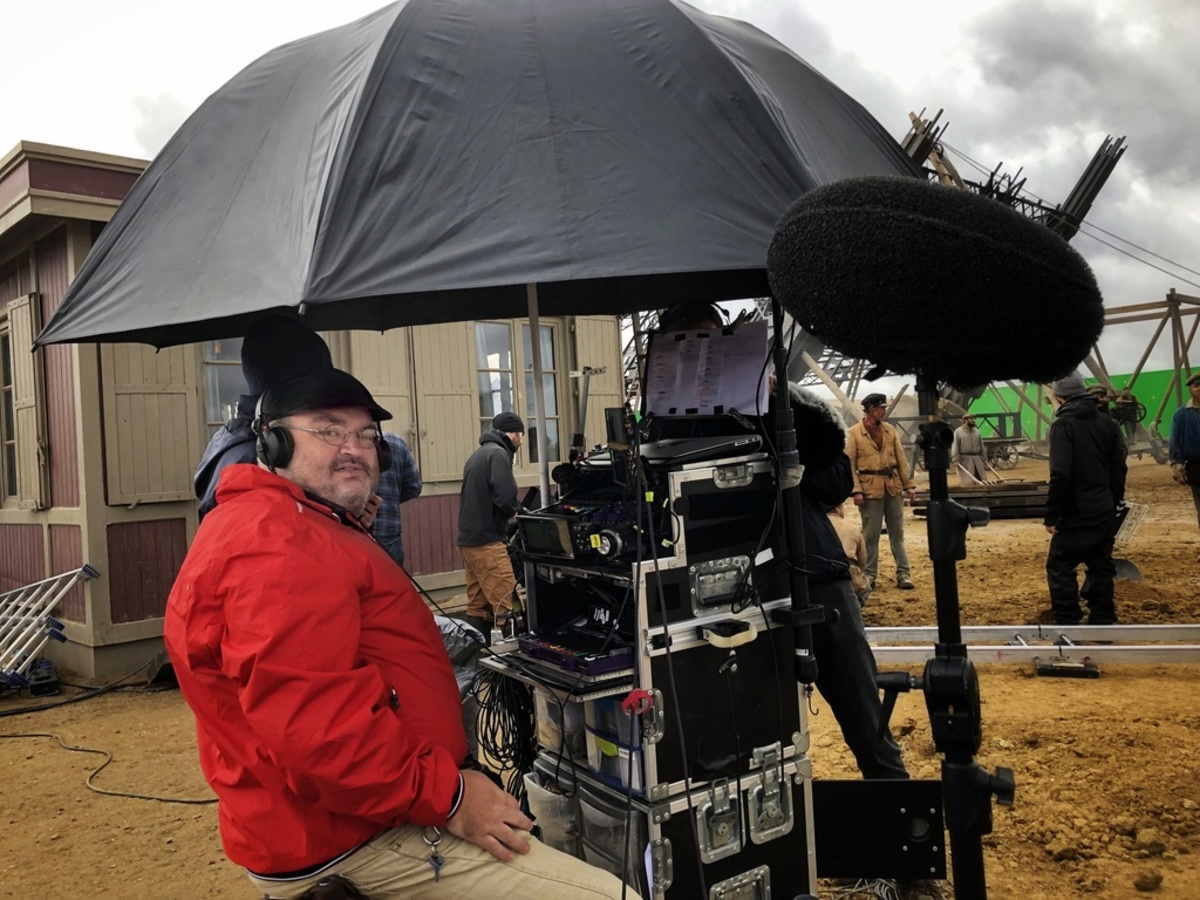
150 days of shooting and a five-star cast—with complex sequence shots where traditional booming was difficult, involving fight choreography and horseback riding David Rit, production sound mixer

He faced these challenges with the Lectrosonics DCHT digital stereo transmitter. “In addition to a DPR-A on the boom mic, I found it useful to have a stereo microphone in line with the camera. Thanks to the DCHT digital stereo transmitter, I was able to maintain stereo continuity in line with the camera throughout the sequence shots, which was greatly appreciated by the sound post-production team,” Rit explained.

For The Count of Monte Cristo, which amassed nearly 9.5 million admissions in France, Rit used the SSM micro bodypack transmitter to handle the elaborate costumes of the 19th-century setting. “Whenever I have to place a wireless microphone on an actor, they are delighted with the size of the SSM,” said Rit. “While occasionally choosing DSSM transmitters for their water-resistance in specific weather scenarios, the compact form factor of the SSM remains my go-to for talent.”

To navigate the increasingly crowded RF environments presented by these elaborate productions, he used Wireless Designer software to scan and coordinate frequencies. His receiver arsenal has also evolved, moving from SR-series units earlier in his career to the DSQD and DSR4 digital slot receivers.

“For the boom mic, digital RF has become crucial because the dynamic range is much better than with analogue,” said Rit. He also praised the DSR$ for its ability “to do a lot, despite its very small size.”

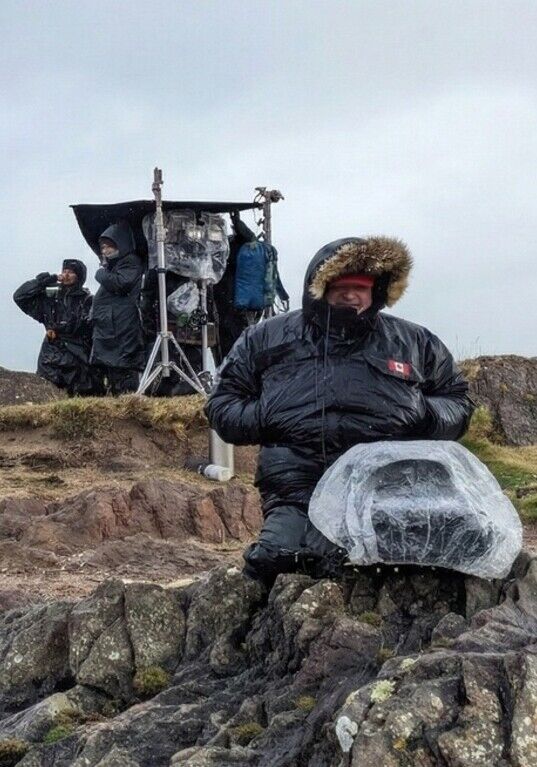
“There are many reasons why I remain loyal to Lectrosonics,” Rit explained. “Despite sometimes challenging locations, with mud or cold, rainy weather, I have very few problems because Lectrosonics products are extremely reliable and rarely break down. This is obviously a huge perk on a film set. Plus, not everyone can brag about participating in the filming of a swashbuckling movie. Those are wonderful memories, and Lectrosonics helped me do it."