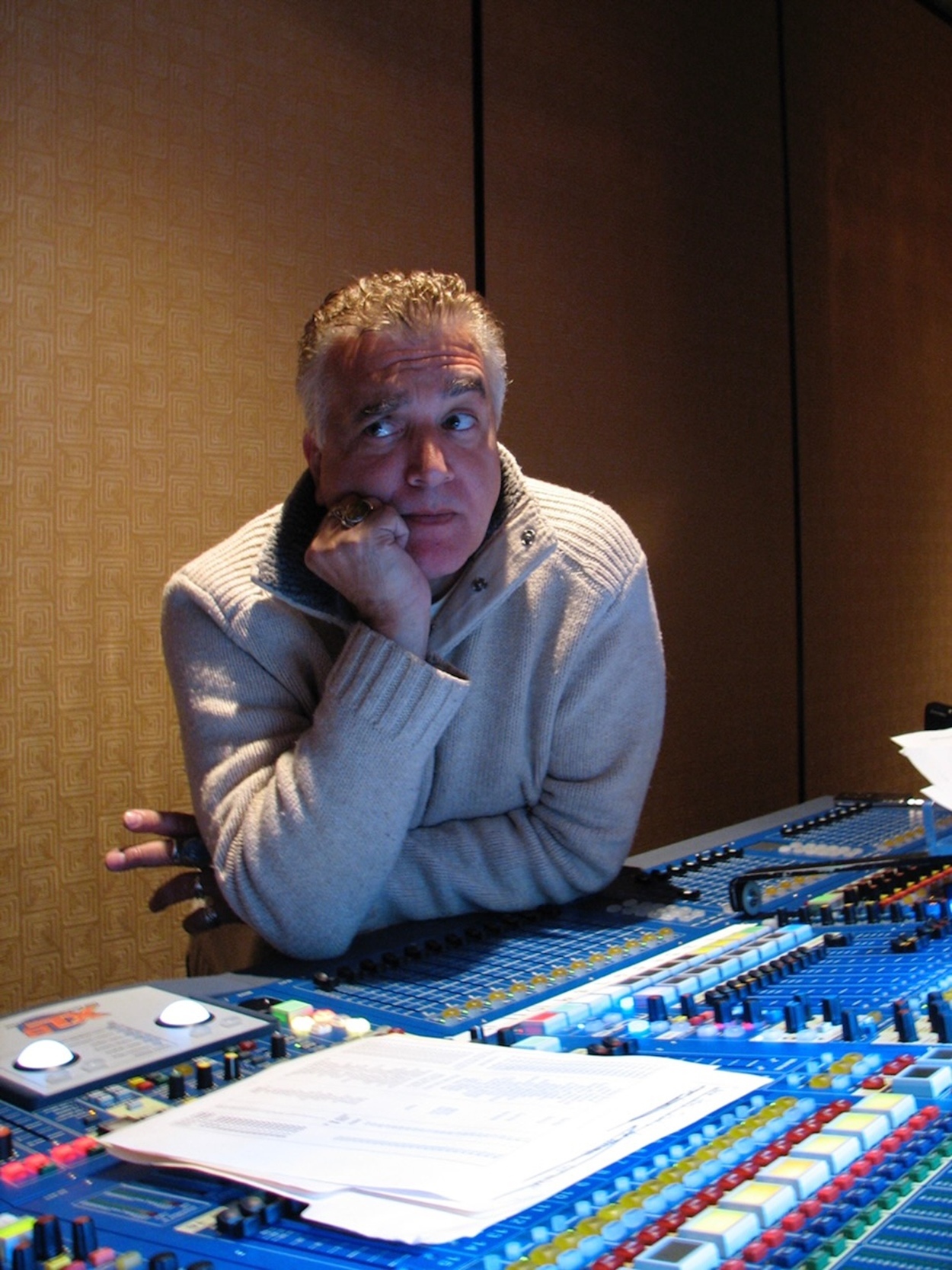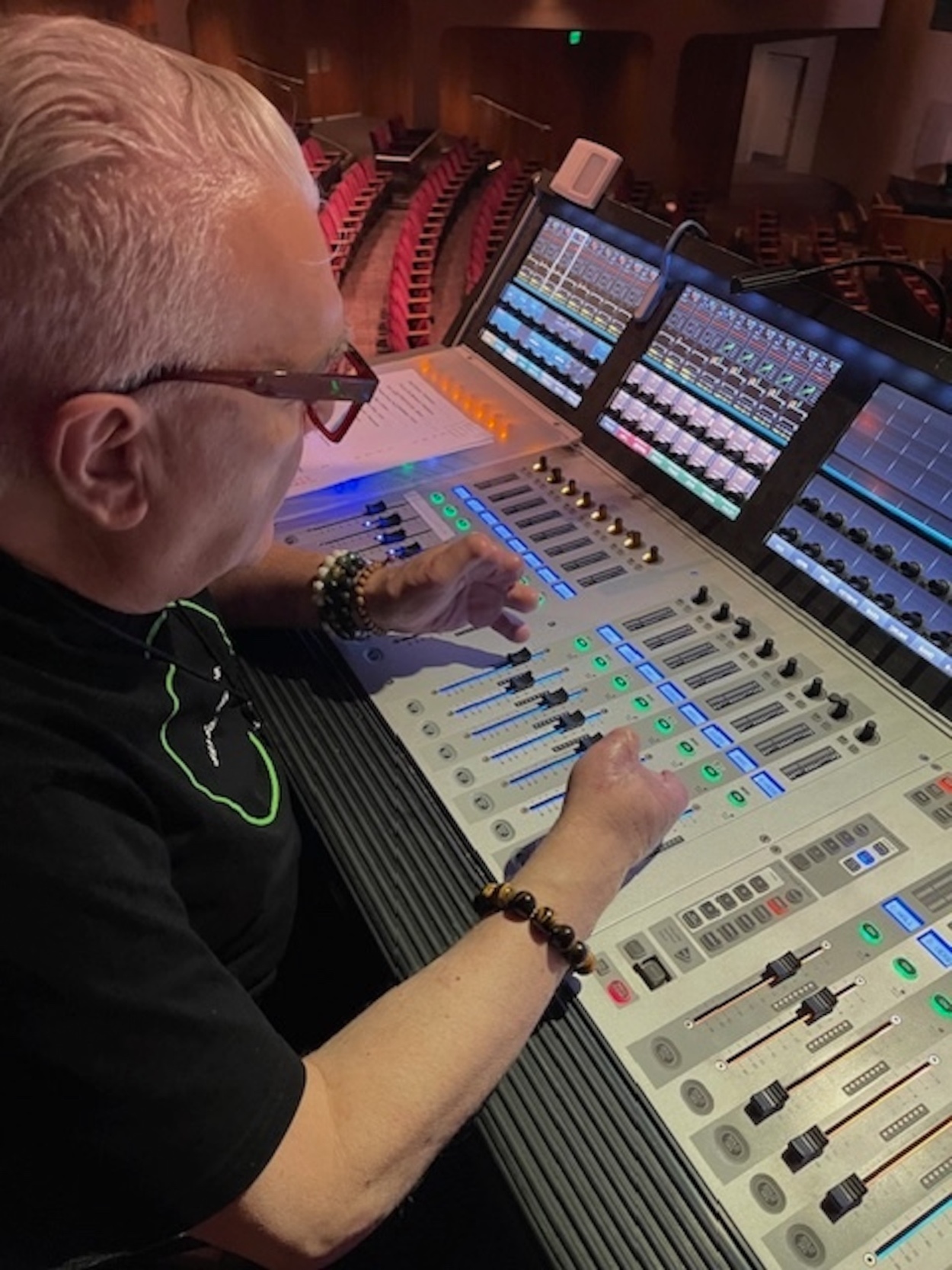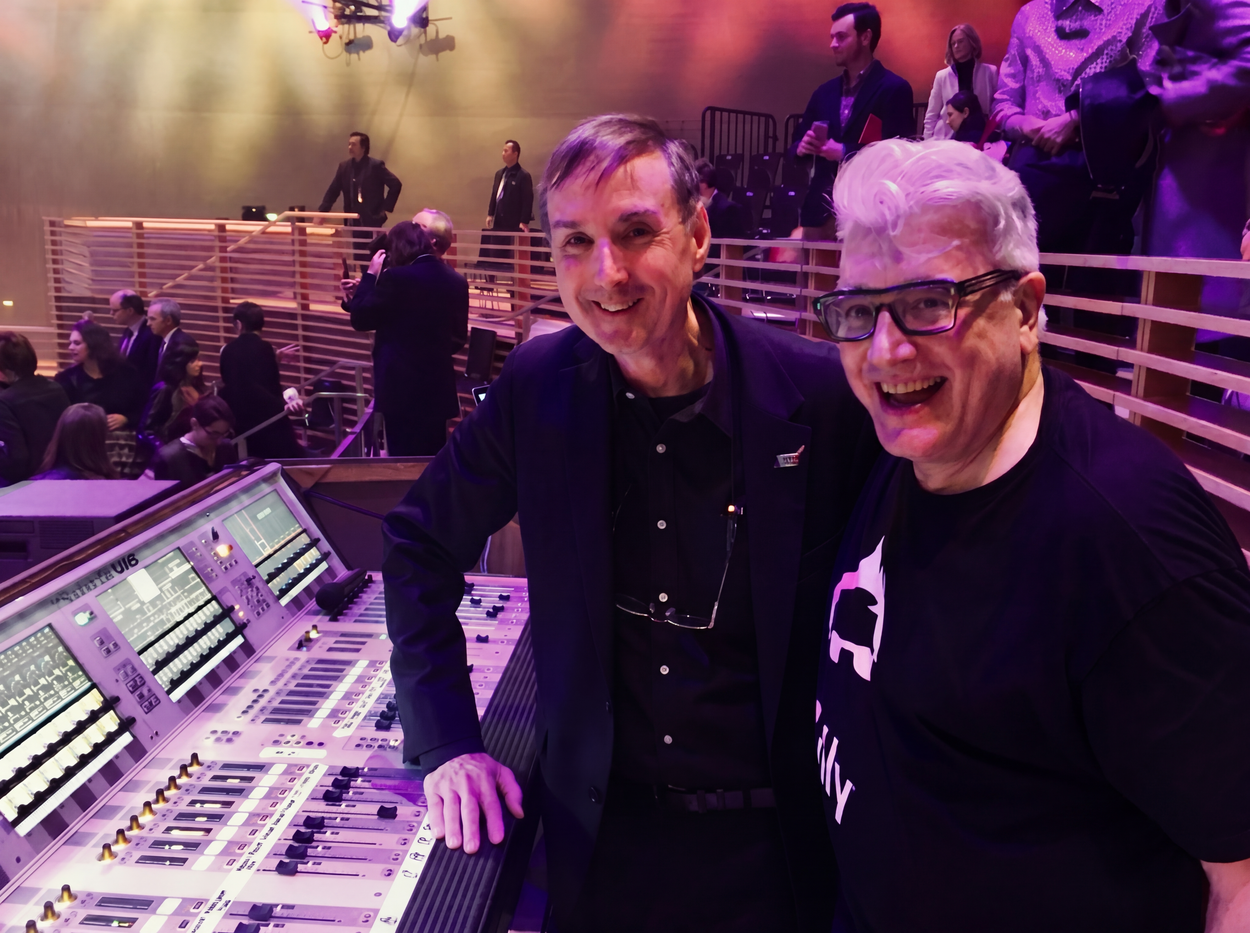



Frank Sinatra never asked a sound engineer to fix a problem that belonged to someone else. The night it happened, Lucas "Rico" Corrubia was mixing front of house. Sinatra was working through a number, and the dynamic wasn't right. The trumpets were off. The balance between the orchestra and the voice – the thing that makes a Sinatra performance feel inevitable rather than assembled – was missing. In his latest Headliner column, pro audio executive Mike Dias profiles Rico, who learns that the best systems are built long before showtime – where every player owns the standard and the mix takes care of itself.
Most performers would turn to the sound engineer. Fix it. That's your job. Get the mix right. Instead, Sinatra turned to the orchestra. "This whole orchestra, I'm going to tell you something. It's not the kid's job to do the dynamic. It's all of your jobs. When I make this hand gesture, the trumpets are going to play that high note at this volume. Or you're out of here."
When Rico told me this story while recapping his 45-year career, he ended by saying, “You mix Sinatra at unity.” The fader sits at zero. Not because the engineer isn't present – but because every person in that system has internalised the standard so completely, has been held to an expectation so clearly communicated, that there is nothing left for the engineer to correct.
Sinatra didn’t want the sound engineer to fix the dynamic. He expected his orchestra to do their job. The engineer's job, when the system is working, is not to interfere. And yet, most executives spend their careers riding faders.
Compensating in real time for a system that was never properly calibrated. Working harder and harder to correct in the moment for problems that should have been solved upstream. Wondering why the mix never quite sounds right.
What Sinatra understood, and what Rico absorbed working inside that system, is that the console has a limit. The best engineer in the world can only do so much to compensate for an orchestra that doesn't own its dynamics. The fix doesn't happen at the board. It happens in the room, before the show, with the people who are going to play it. Hold everyone to the standard.
Communicate it with enough clarity and enough consequence that no one needs to be reminded during the performance. Then let the engineer hold steady. That's not a principle about sound. That's a principle about every system that has to perform under pressure in front of people who are paying attention.