Phonk didn’t rise through radio playlists or major label rollouts. It drifted in through the internet’s very own backstreets – soundtracking late-night YouTube edits, high-speed drift clips, gaming streams, and endless TikTok doom-scrolls before most people even knew what to call it. Rooted in ‘90s Memphis rap and built on chopped vocals, gritty textures, jazz, and funk samples, phonk has always lived in nostalgia. But its latest evolution – supercharged by cowbell-heavy beats, aggressive basslines, and faster tempos – turned it into a hyper-modern engine for viral culture. Headliner meets the phonk artists powering the genre’s rise.

sma$her
What drew you personally to this sound?
What initially drew me to phonk, and now its many sub-genres, was how raw and unpolished it felt. It didn’t sound over-produced or shaped by industry rules. There were no expectations, no formulas, no pressure to fit into a specific structure, and that freedom really resonated with me.
Coming from a background where I was already making internet-driven music on other artist projects, phonk felt like a natural extension of what I was doing.
When I started releasing music as sma$her, that mindset fully came together. You can hear it clearly across my releases: the focus on vibe, repetition, and energy rather than perfection or traditional song structure. I was also strongly drawn to the DIY mentality behind the genre.
Before sma$her, I was much more dependent on others, labels, playlist placements, and traditional promotion. With phonk, I could create my own visuals, post directly on TikTok, and push the music myself. That shift gave me direct control and allowed sma$her tracks to go viral organically, without waiting for external validation.
Why do you think this retro-meets-hyper-modern quality connects so strongly with today’s listeners?
I think people today live in a constant mix of nostalgia and overstimulation. We’re scrolling through old memories and hyper-digital content at the same time, and phonk sits perfectly in that space. The nostalgic elements give the music emotional weight, while the modern, digital presentation makes it instantly usable for short-form content, edits, and fast consumption.
It’s not passive listening, it’s functional music for the internet. That combination makes the sound feel both familiar and new, which is exactly what resonates with listeners right now.
People today live in a constant mix of nostalgia and overstimulation; phonk sits perfectly in that space.
Why was phonk the perfect genre for creator-driven, algorithmic discovery?
Phonk doesn’t rely on traditional song structures or radio logic; it relies on vibe. Because of that, it adapts incredibly well to short clips.
Even without lyrics, it immediately suggests a mood, a scene, or a character. That makes it perfect for creators, whether they’re making car edits, gaming clips, anime visuals, or lifestyle content. The genre feels built for repetition, loops, and visuals, which is exactly how algorithms reward content. That kind of organic discovery is baked into the genre itself.
How has SoundOn helped cut through limited traditional visibility and level the playing field?
Some of my biggest moments, especially with tracks like ACELERADA, VAI NO VAPOR, and ESTA NOCHE, didn’t come from traditional promotion at all. They came from creators picking up the sound and running with it in their own way. Working with Tribal Trap and SoundOn helped speed that process up significantly.
Instead of relying on editorial gatekeepers, the focus shifted to real usage and real momentum. When creators genuinely connect with a sound, that energy spreads fast, and SoundOn helps amplify that naturally, without forcing it through traditional industry channels.
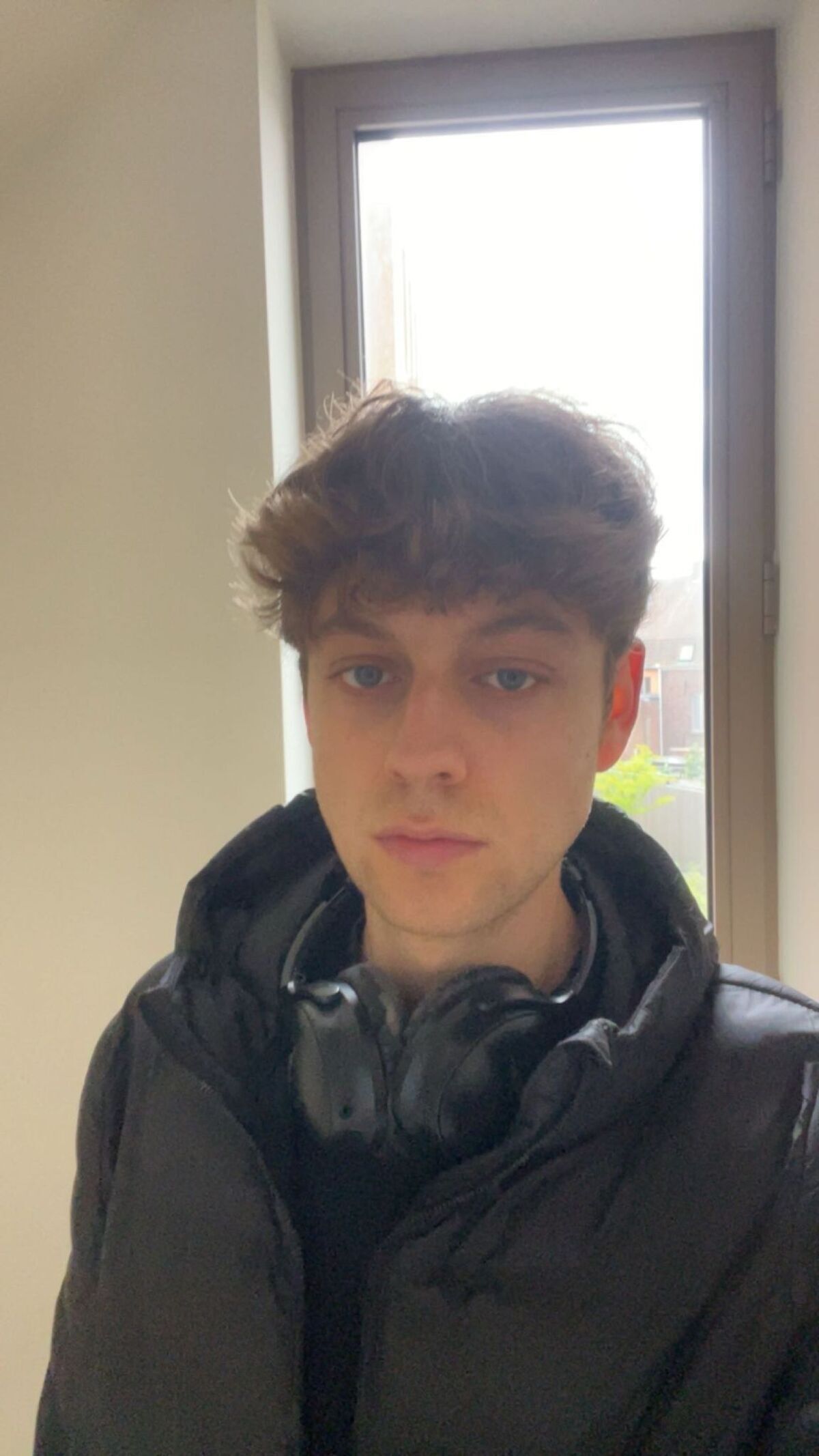
Ariis
Why do you think phonk was the perfect genre for this kind of organic, aesthetic-driven discovery?
The new wave of phonk was almost designed for platforms like TikTok or Instagram. This is because it doesn’t depend on full-song narratives; it just needs a catchy short drop that loops and that people can remember.
Phonk blends nostalgia with modern digital aesthetics. Why do you think this connects so strongly with today’s listeners?
Phonk borrows sound from the past (Memphis rap vocals, VHS textures), but the producers give it a modern twist. Phonk is all about creating a vibe and feeling, so adding nostalgic sounds and modern production can create a vibe that no other songs or genres can recreate. That’s what makes it so unique.
The new wave of phonk was almost designed for platforms like TikTok or Instagram.
As phonk becomes more global and more intertwined with creator culture, what excites you most about being part of the next wave?
Phonk used to be a very specific aesthetic and had a very specific sound. But now what excites me is that being in the next wave means that we get to decide what phonk will sound like.
SoundOn lets artists tap directly into TikTok creators and trends. Have you seen this creator ecosystem play a role in any of your recent viral moments?
Yes, many of my recent songs went viral and got countless videos with millions of views because SoundOn helped identify the most suitable creators globally, landed huge placements with sports teams like Real Madrid, and really drove my music forward into spaces it has never been before.
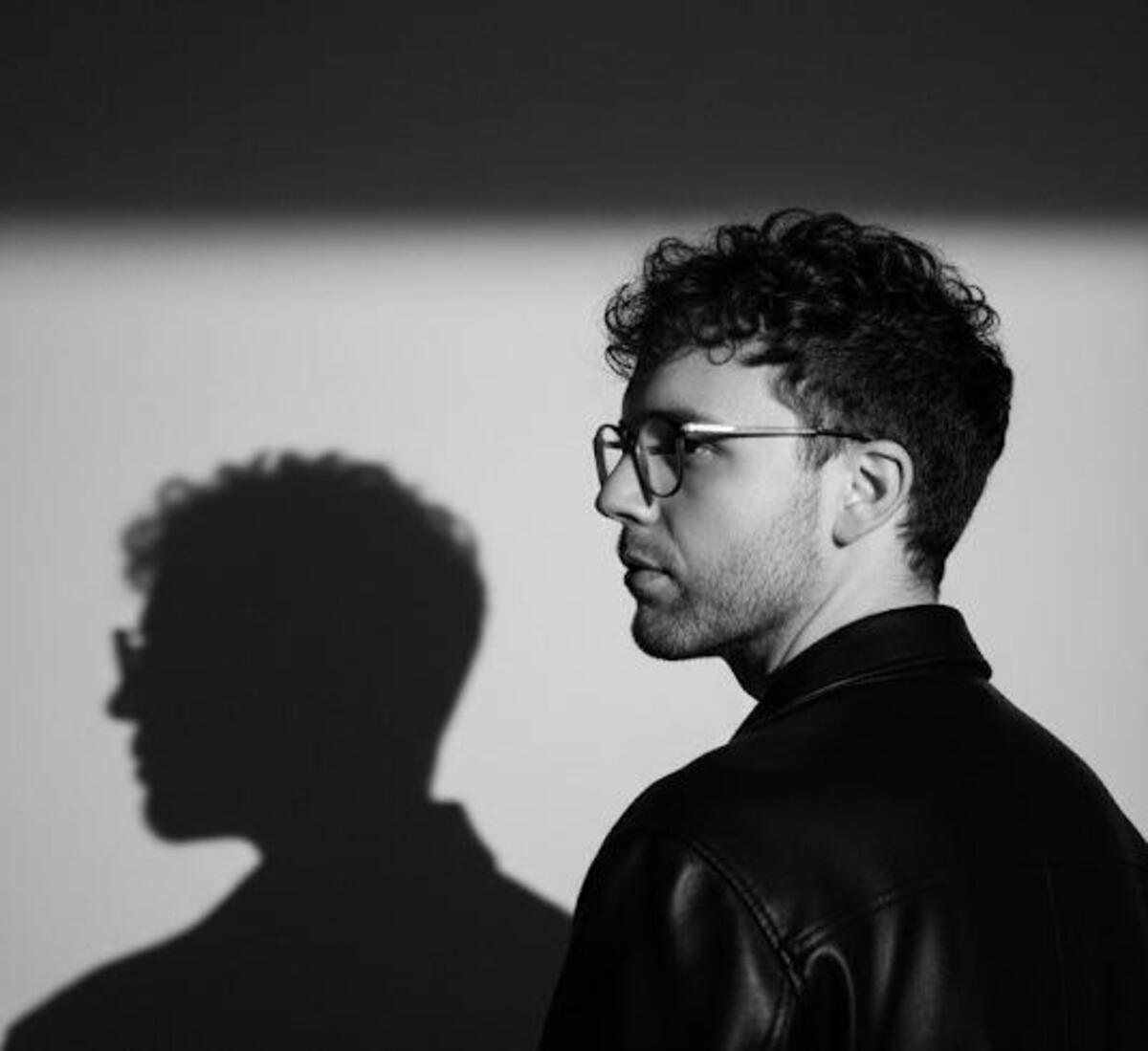
Fyex
Why do you think phonk’s mix of nostalgia and modern internet culture hits so hard with listeners today?
Phonk has always been rooted in nostalgia, especially coming from old Memphis rap and early phonk tapes, but it’s constantly evolving. The newer Brazilian funk-influenced phonk took that same raw foundation and pushed it into a more global, high-energy sound that exploded online for the same reasons. It blends familiar, gritty textures with modern production and internet culture, which really resonates with people who live between the past and the digital present. It feels timeless but also perfectly suited to now.
Phonk spread visually and organically online, not through traditional channels. Why was it built for that kind of growth?
From Memphis phonk to the Brazilian funk/phonk wave, the genre has always lived in niche internet communities before anywhere else. It grew in gaming circles, edit culture, and underground online spaces where people connect more through feeling and energy than industry narratives.
Because it wasn’t designed for radio or charts, it felt more personal and real, something people could claim as their own. That sense of community, combined with how visual and atmospheric the sound is, made phonk spread naturally through creators and algorithms rather than traditional industry pathways.
The genre has always lived in niche internet communities. It grew in gaming circles, edit culture, and underground online spaces.
By plugging artists into TikTok’s creator community, SoundOn helps sounds travel fast; have you felt that impact with your recent releases?
Definitely, some of the biggest traction I’ve seen didn’t come from a traditional release push; it came from creators interpreting the track in their own way. Once the sound connects with a few creators, it takes on a life of its own. That creator-driven momentum has been a huge part of how my music has spread.
The SoundOn platform also offers tools like pre-releasing audio clips on TikTok, track optimisation, and data insights. How has this been impactful for you?
Pre-releasing audio clips has been especially powerful. It lets the music start living on TikTok before the official release, so by the time it drops, there’s already context and momentum behind it. The data insights also help me understand how people are actually using the sound, not just streaming it, which really matters in how music spreads now.