
Subscribe
Music News

Sonical partners with Newcastle University to accelerate tinnitus treatment research

Sonical, creator of the Remora hearing platform, has announced a strategic research partnership with Newcastle University to develop and rapidly deploy new technologies designed to support people living with tinnitus.

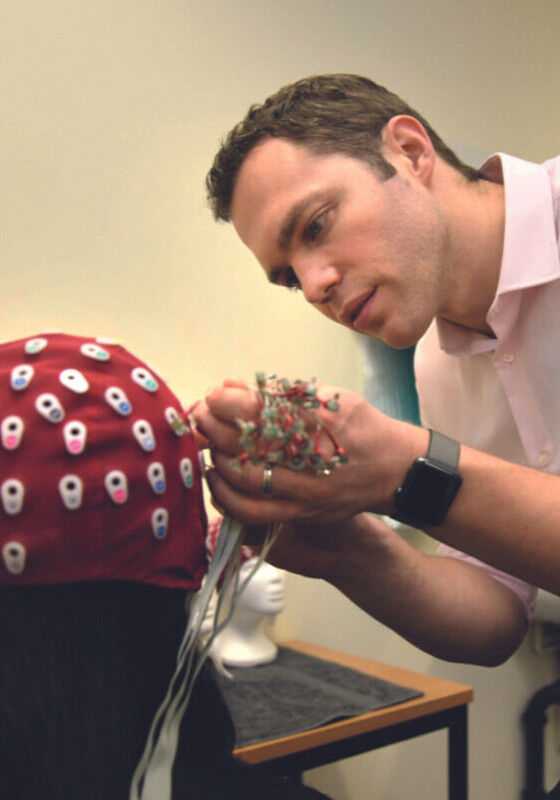
The collaboration brings together Sonical’s Remora device with neuroscience expertise from Newcastle University, led by Dr William Sedley, a globally recognised expert in auditory perception and tinnitus neuroscience.

Together, the partners aim to tackle one of the most pressing challenges in hearing health: translating promising tinnitus research into practical help for real people at a pace that matches the scale of the problem.

Tinnitus affects hundreds of millions of people worldwide, causing persistent ringing or buzzing in the ears that can profoundly impact sleep, concentration, and quality of life. Yet despite decades of research, progress toward effective support remains slow. Clinical trials are often limited in size, fragmented, and measured in years rather than months.

“For people living with tinnitus, the pace of innovation simply hasn’t been fast enough,” said Gary Spittle, founder and CEO of Sonical, who also lives with the condition on a daily basis. “Too many are left waiting for solutions that may never reach them. We’re on a mission to change that.”

The partnership with Newcastle University is designed to create a faster, more practical path from research lab to everyday life.
For people living with tinnitus, the pace of innovation simply hasn’t been fast enough.

Using Remora – Sonical’s AI-powered hearing computer – new therapeutic approaches developed by Dr Sedley’s team can be delivered directly to users at scale, without reliance on a smartphone or need to visit a specialist clinic or research lab. This enables rapid testing, iteration and data collection with large populations, rather than small, time-limited studies.

“Remora gives us a unique opportunity to take cutting-edge neuroscience and put it into the hands – and ears – of people who need it far more quickly than traditional methods allow,” said Dr William Sedley, neuroscientist at Newcastle University. “By working together, we can evaluate new approaches in the real world and learn at a pace that simply hasn’t been possible before.

At the heart of the collaboration is Sonical’s Remora platform. Unlike conventional earbuds and headphones, Remora is a powerful personal computing device capable of running advanced audio processing and customised therapeutic algorithms directly on the hardware.

This makes it uniquely suited to tinnitus support: always available, discreet, and independent of other devices. Dr Sedley explained that “What is perhaps most appealing is the potential for Remora to apply real-time modifications to its audio output, effectively turning everything the user is already listening to into sound therapy to help quieten their tinnitus. The idea of people being able to quieten their tinnitus just by going about their normal daily activities is very exciting.”

Experts increasingly recognise that tinnitus is a complex and highly individual condition. It is unlikely to be a single solution that works for everyone. Sonical and Newcastle University believe progress depends on exploring a wide range of approaches, including those that may only help a small proportion of sufferers, and those with modest and moderate effects that can be combined with other approaches.

“If a new method helps even 10 per cent of people with tinnitus, that’s still millions of lives improved,” added Spittle. “We can’t afford to wait for perfect answers. Our goal is to get promising ideas into the real world quickly, learn from real users, and keep moving forward.”

The collaboration will initially focus on deploying and evaluating Newcastle University’s latest tinnitus research through the Remora platform, gathering large-scale, real-world data to inform future development.

While tinnitus is the immediate priority, both organisations see this as the beginning of a broader partnership aimed at transforming how auditory and brain-related hearing conditions are understood and supported.

“This is only the start,” said Dr Sedley. “The combination of advanced research and an agile platform like Remora that combines sensors and audio opens up exciting possibilities for many areas of hearing and brain health.”