
Subscribe
Music News

What executives can learn from live shows: Master the signal before the flow

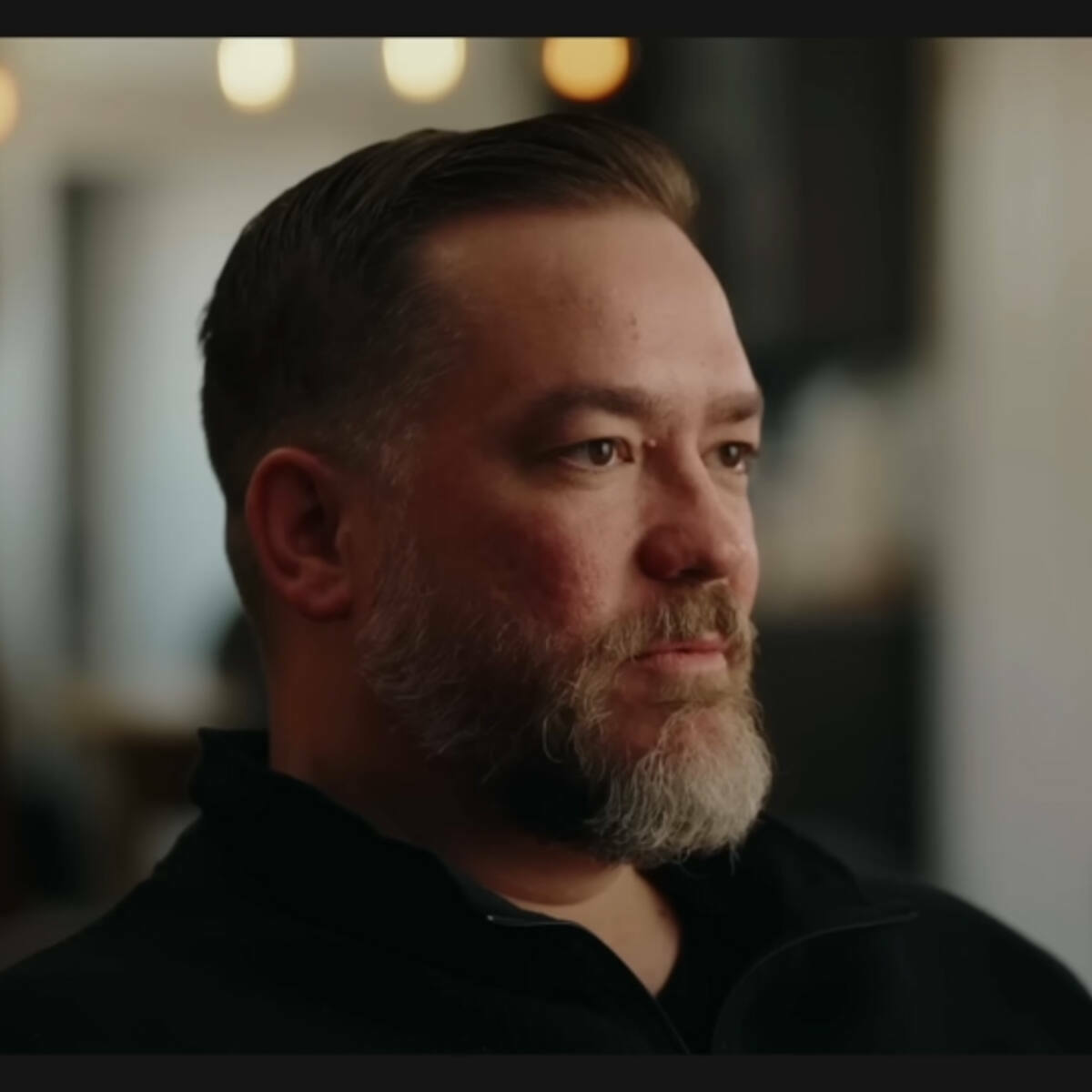
In his latest Headliner column, pro audio executive Mike Dias profiles Paul Klimson, a veteran sound engineer whose career spans everything from The Tonight Show Starring Jimmy Fallon to arena tours with Justin Timberlake, The Roots, and Kelly Clarkson. As co-founder of The Roadie Clinic and a longtime advocate for mental health in the touring world, Klimson offers more than just technical wisdom; he brings systems thinking, emotional intelligence, and operational precision to every stage he touches. Here, he shares what it really takes to build a great show, and how signal flow, reference, and ruthless self-assessment can elevate any performance, on or off the road.

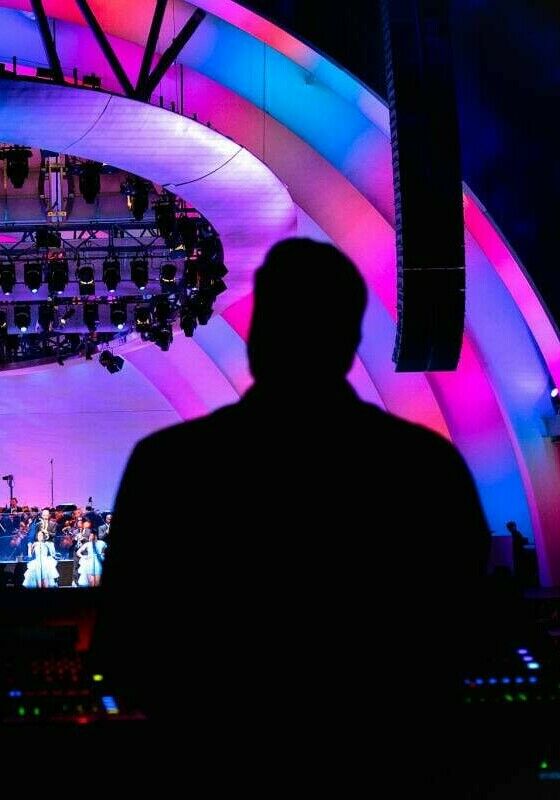
There’s a moment right before the lights go down, before the illusion begins to shimmer, when Klimson sees it all at once. He sees the empty arena for what it is: a gymnasium. A concrete bowl. A structure with fluorescent lighting and scuff marks on the floor. Then, he flips the switch.

Because he doesn’t just run sound, he builds universes.

For over two decades, Paul Klimson has been behind the curtain of some of the most high-stakes audio environments on the planet. From Broadway pits to arena tours, from Adele’s solo broadcast debut to the nightly precision of The Tonight Show Starring Jimmy Fallon, he’s seen it all. But what sets Klimson apart isn’t just his résumé. It’s his operating philosophy.

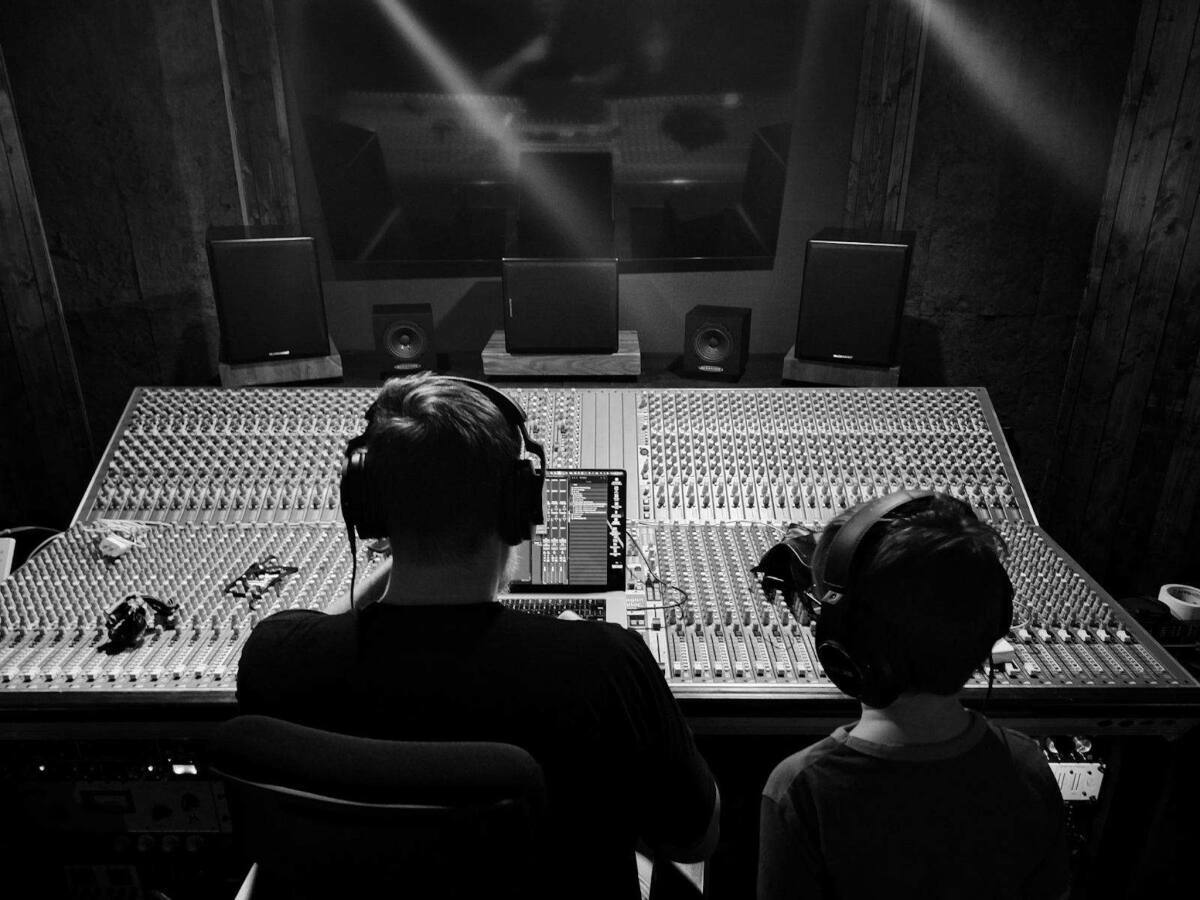
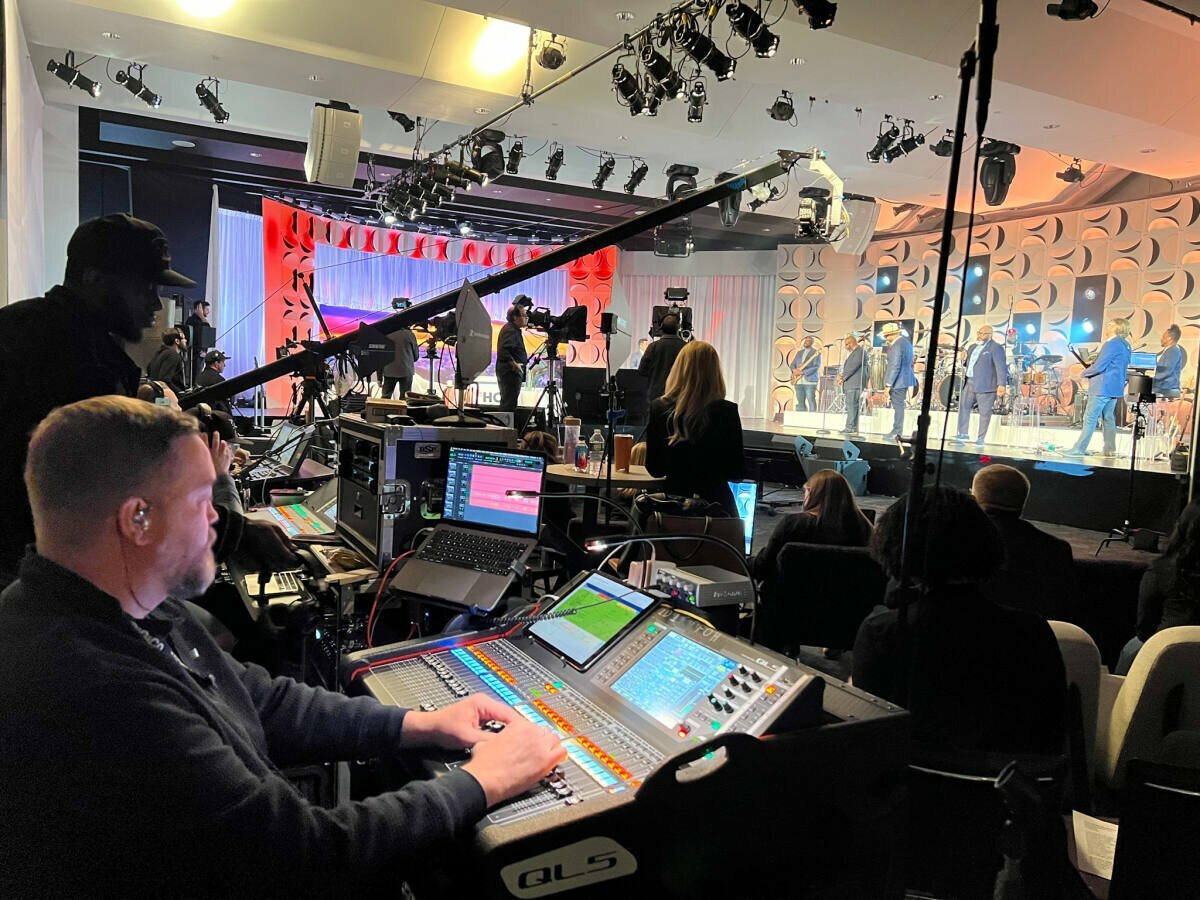
“You’ve got to build your cockpit,” he says. “Everything that surrounds you needs to serve you. You organise for control and comfort. That’s what creates the illusion.”

At the heart of Klimson’s system are three deceptively simple elements: Signal flow, reference, and self-assessment. Master these, he says, and you can craft anything, whether it’s a world-class monitor mix or a Twitch stream that actually holds attention.
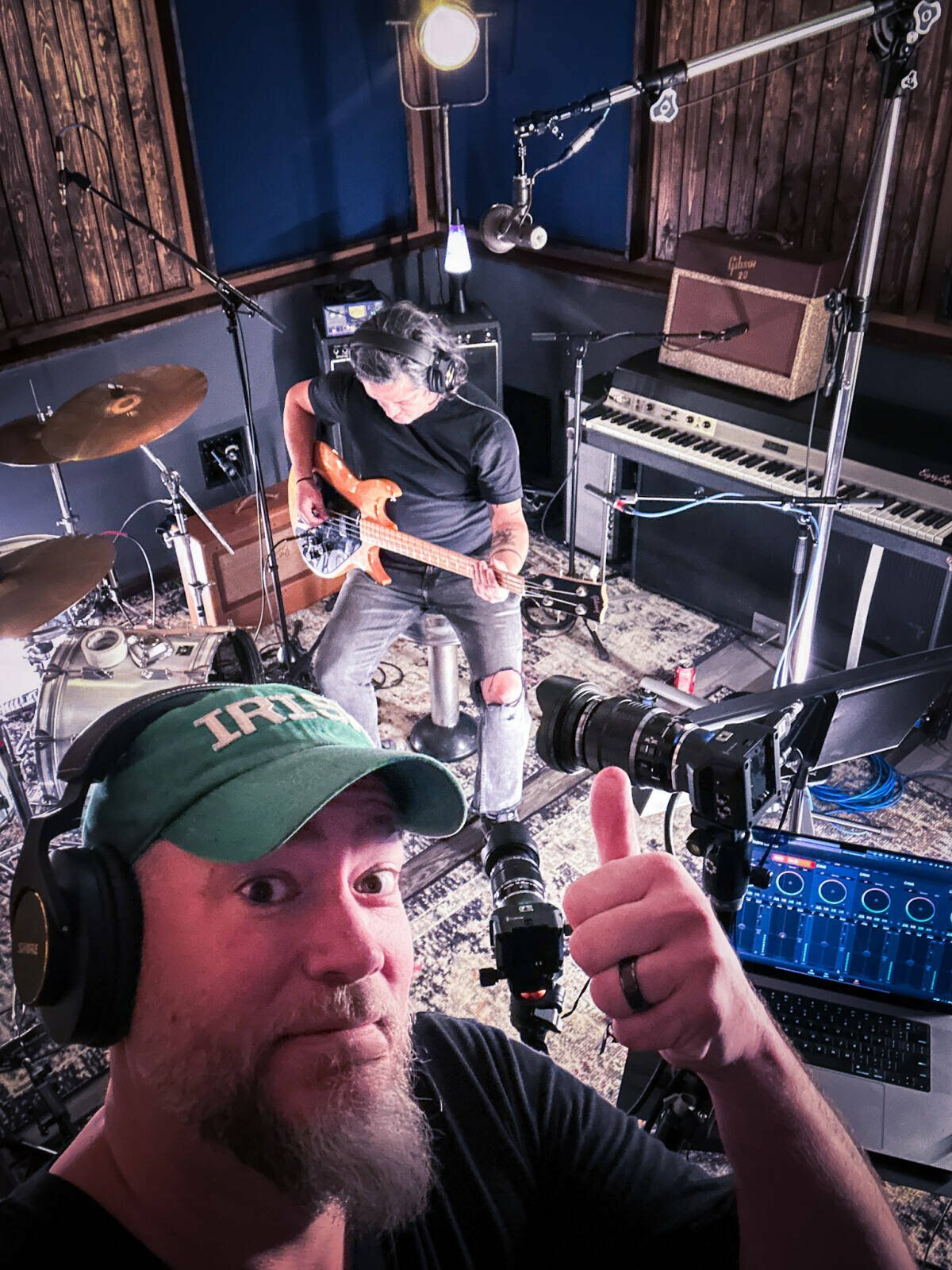
You’ve got to sneak up on perfection.

Signal Flow: Know Where the Water’s Going

Klimson thinks about signal flow the way a systems engineer thinks about process integrity. Where’s the input? Where’s the leak? What happens between the source and the output?

“It starts with your voice,” he says. “Then it gets converted, digitised, shaped. The question is: do you actually understand what happens next?”

Understanding signal flow isn’t just technical. It’s creative. It’s about eliminating friction, building systems anyone can walk into and use. Klimson calls it “decoding the software,” but it’s really about laying a foundation so the artistry can shine.

You’ve got to know how your mix sounds on a phone. In a car. On a livestream. On someone else’s headphones. The ecosystem matters.

Reference: Will It Work in the Real World?

Once the signal is clean, it has to be translated. Klimson pushes creators, whether they’re engineers, streamers, or C-suite presenters, to ask the one question most skip: how does it land?

“You can’t just listen to your laptop,” he says. “You’ve got to know how your mix sounds on a phone. In a car. On a livestream. On someone else’s headphones. The ecosystem matters.”

To Klimson, reference isn’t just a loudness check. It’s emotional. “Would you listen to this? Would you care?” If the answer is no, the work isn’t done.

Self-Assessment: The Discipline to Refine

This is where Klimson gets honest. “You’ve got to sneak up on perfection. That means running your game tape. Watching what works. Rehearsing until you know exactly what’s going to break, and planning for it.”

Whether it’s prepping a Fallon segment or tuning a room on tour, Klimson treats tech like a living thing. It mutates. Fails. Updates. But none of that should throw the show. “You’ve got to log in 20 minutes early. You’ve got to build your tension, set the vibe, and then hit that intro like it matters. Because it does matter.”

For Klimson, the “pop” – those first 30 seconds when the audience leans in – is everything. Nail that, and you’ve earned the right to hold their attention. Blow it, and the illusion cracks.

Touring Is Just Agile at Scale

Behind every sold-out arena is a choreography of gear, labour, and logistics that rivals the complexity of any Fortune 500 product launch. Klimson doesn’t just think like an audio engineer; he thinks like a systems architect. From sequencing load-ins based on rigging points to reverse-engineering outcomes from audience emotion, his entire method mirrors enterprise-level operations.

“Space and time are always at a premium,” he says. “The first truck through the dock decides everything. You don’t lift lights before motors. There’s an order of things. If you don’t respect the sequence, the whole thing stalls.”

Every show is an org chart in motion. A logistics matrix. A team alignment exercise disguised as a soundcheck.

If you don’t respect the sequence, the whole thing stalls.

Beyond the Gear: The People Behind the Show

But Klimson’s story doesn’t end in the control room. In 2020, alongside his wife Courtney, he co-founded The Roadie Clinic, a nonprofit dedicated to supporting touring professionals and their families. It’s the work he now calls his next act.

“There’s this whole world behind the artist,” he says. “People who give everything to make magic happen, and often carry the cost.”

The Roadie Clinic provides resources, community, and real-world healing for the crew members who make the show go on. It's not a side project, it’s a mission. And just like his audio work, it’s rooted in structure, care, and truth.

Klimson doesn’t chase applause. He chases the moment the lights go out, and the show begins. And for anyone willing to do the work, he says, the principles are the same: Decide what experience you want to create. Work backwards. Build your cockpit. Run the tapes. Rehearse the chaos. Then hit that downbeat like it matters. Because the audience is waiting. And they know when the show is real.

Klimson’s rules apply whether you’re mixing in-ears or managing earnings. Know your signal flow. Keep your reference honest. And have the guts to self-assess, before the audience does it for you. In other words, this isn’t just a framework for live events.

The Roadie Clinic


Founded by Klimson and his wife of Theory One Productions, The Roadie Clinic is a nonprofit dedicated to supporting the physical, emotional, and financial well-being of touring professionals and their families.

You might know Paul from The Tonight Show, The Roots, John Legend, or Drake, but the Klimsons’ most important work happens offstage. Their mission to care for the road crew behind the scenes has earned them national recognition, including features in Rolling Stone and Good Morning America. The Roadie Clinic exists to empower and heal the people who keep your favourite shows running. If the magic of live music has ever meant something to you, consider donating to help keep the illusion alive.

Mike Dias writes and speaks about Why Nobody Likes Networking and What Entertainers Can Teach Executives. He is one of the few global leaders in Trade Show Networking, and he helps companies maximise their trade show spend by ensuring that their teams are prepared, ready, and able to create and close opportunities.

This column will be an ongoing monthly feature because Mike loves talking shop and is honoured to give back to the community. If this article was helpful and useful in any way, please reach out anytime at Mike Dias Speaks and let Mike know what you want to hear more about next time.

Image credits: Paul Klimson